
Monsoon Deficit Narrows to 24%, Rainfall-Deficient Districts Drop to 178: Shivraj Singh Chouhan
Improved rainfall in July has reduced the number of rainfall-deficient districts from 262 to 178, while the nationwide monsoon deficit has narrowed to 24 per cent. However, Kharif sowing remains 91.95 lakh hectares below last year’s level, with delayed rainfall particularly affecting soybean and cotton acreage.

 Join the RuralVoice whatsapp group
The southwest monsoon situation has improved in July after a weak start to the season, with the nationwide rainfall deficit narrowing to 24 per cent from 33 per cent in June, Union Agriculture and Farmers’ Welfare Minister Shivraj Singh Chouhan said on Wednesday.
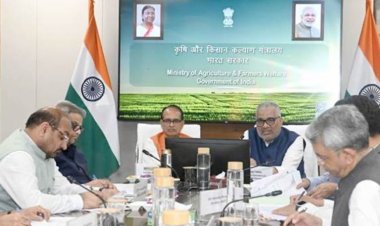
The number of rainfall-deficient districts has also declined to 178 from 262 following improved rainfall in several parts of the country in recent days, Chouhan said after a high-level review meeting in New Delhi.
The improvement comes amid concerns over the potential impact of El Niño on the southwest monsoon and Kharif crop sowing. Chouhan said the government was closely monitoring the situation and had activated contingency measures to minimise the impact of delayed and deficient rainfall on farmers.
The Centre is closely monitoring the monsoon and crop situation in Maharashtra, Madhya Pradesh, Gujarat, Uttar Pradesh, Rajasthan, Karnataka, Bihar, Jharkhand, Telangana, Andhra Pradesh, Punjab, West Bengal and Odisha.
Chouhan expressed confidence that rainfall activity would gain further momentum during July, helping accelerate Kharif sowing, which has been significantly delayed compared with last year.
According to the minister, Kharif crops have so far been sown across 350.85 lakh hectares, about 91.95 lakh hectares lower than the acreage recorded during the corresponding period last year.
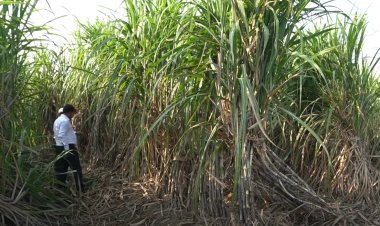
The delayed arrival and weak progress of the monsoon have particularly affected the sowing of soybean and cotton. To minimise the impact of delayed rainfall, farmers have been advised to shift towards short-duration and less water-intensive crops such as maize, bajra and moong, wherever suitable.
Chouhan said the government had begun preparations to deal with potential monsoon-related challenges as early as April. In collaboration with the Indian Council of Agricultural Research (ICAR), district-specific contingency plans were prepared for areas considered vulnerable to deficient rainfall and shared with state governments in advance.
As part of the government’s ‘Khet Bachao Abhiyan’ conducted in June, more than 1.24 lakh programmes were organised across the country, reaching over 80 lakh farmers directly, the minister said.
To ensure that sowing operations are not disrupted by seed shortages, the government has maintained a national seed reserve of about 1.75 lakh quintals. Chouhan said this would help ensure adequate seed availability in areas where farmers may need to undertake delayed or alternative crop sowing.
The government has also intensified the Kisan Credit Card campaign to improve farmers’ access to institutional credit. Of the 1.14 lakh applications received by June 30, more than 94,000 had been approved, according to the minister.
Efforts are also being stepped up to increase farmers’ enrolment under the Pradhan Mantri Fasal Bima Yojana to provide financial protection against crop losses caused by adverse weather conditions.
Chouhan said an extensive monitoring mechanism had been put in place in view of the possible impact of El Niño. The El Niño Monitoring Cell, Crop Weather Watch Group, state-level control rooms and designated officers are continuously tracking the progress of the monsoon, crop sowing, crop conditions and market trends.
The minister said the government was prepared to respond to emerging challenges through contingency plans, adequate resources and timely interventions to ensure necessary support for farmers during the Kharif season.