Post-Harvest Losses and Poor Processing Access Continue to Hold Back India's Farm Economy
Despite being one of the world's largest food producers, India continues to lose a significant share of its agricultural output due to inadequate post-harvest infrastructure and limited processing access. Expanding decentralized processing, strengthening market linkages, and improving financing can reduce losses, enhance farmer incomes, and drive sustainable rural economic growth.

 Join the RuralVoice whatsapp group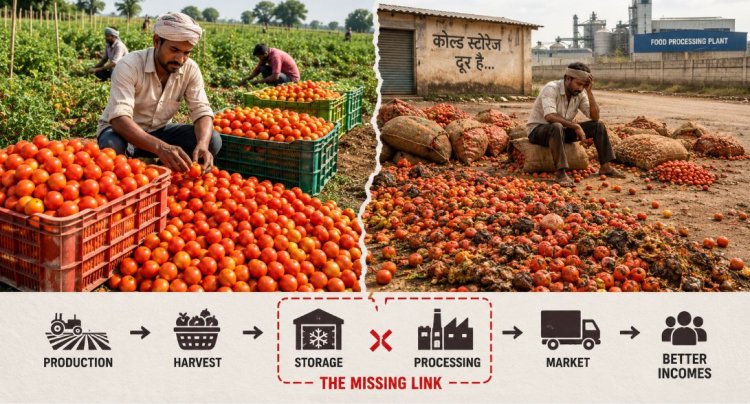
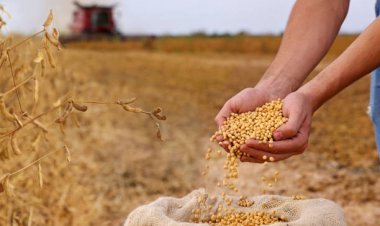
India grows food on a scale that ought to be the envy of the world. Yet far too much of that abundance never reaches a plate in a form that holds its value, its nutrition, or the farmer's dignity. Post-harvest losses and the thin reach of processing are not technical footnotes. They are the quiet, daily erosion of rural incomes, the reason a good season can still leave a family exposed, and the structural gap that stops the country from converting farm output into higher-value products and lasting prosperity.
Recent national assessments continue to show losses that vary sharply by crop and by region. Fruits and Vegetables, perishable and roughly handled, suffer the most, with wastage for some commodities running anywhere from 5 to 16 percent. The annual bill is now valued at over Rs 1.5 lakh crore. Yet, despite these losses, food insecurity has declined, with undernourishment falling to 14 percent compared to 20 percent in 2010.
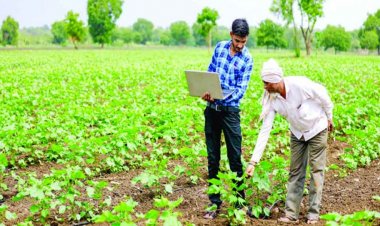
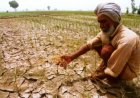
The human cost is intimate. A farmer who has nursed a crop for months gets a narrow window to sell it. With no processing or cold storage within reach, the only realistic move is to sell fast, at whatever the market will pay that day. Call it a distress sale, but it is not a glitch a single subsidy can correct. It is the predictable result of a system that parks processing capacity and quality infrastructure far from where the food is actually grown.
Policy, to its credit, has tried. Over the past decade, schemes for cold storages, pack houses and primary processing units have been launched and scaled, supported by public investment and financing initiatives. Yet access to processing and quality infrastructure remains limited across many agricultural clusters. As a result, a significant share of produce continues to move through the value chain with limited opportunities for preservation, value addition or market diversification.
Closing the gap means rethinking processing as something distributed and modular, planted next to production clusters rather than miles away. A small unit that can sort, grade, wash, process and preserve produce at the village or cluster level rewrites the economics of farming. Beyond reducing losses, it creates opportunities for value addition closer to the farm, allowing agricultural produce to move beyond raw commodity markets and into higher-value supply chains. It lets a grower time the sale, reach higher-value buyers, and join chains that actually pay for quality and consistency. When processing sits close by, losses can be cut by up to 50 %, and farmers can earn 20-30 % more by avoiding distress sales. The incentive to invest in better agronomy and careful handling rises, because the payoff is visible and quick.
Access to finance remains important, but capital alone is rarely enough. Small processors and farmer groups also need operational capabilities, market linkages and reliable demand to build sustainable businesses. The models that endure are those that combine financing with technical support and market access, ensuring that processing capacity translates into real economic value.
In my view, the missing link in India's growth story is not production alone but the ability to create more value from what is already produced. Reducing post-harvest losses is important, but the larger opportunity lies in bringing processing and value addition through production clusters, supported by accessible financing and stronger market linkages. When farmers gain access to these capabilities, they are not just preserving produce for longer, they are improving quality, accessing better markets and capturing a greater share of the value created after harvest. The reward is not abstract. It has stronger rural incomes, more resilient supply chains and a food ecosystem that converts abundance into lasting prosperity.
(Vicky Dodani is Co-founder of Agrizy)