Cereal and Sugar Prices Rise in May; Global Grain Output Seen Declining in 2026-27: FAO
The FAO Food Price Index remained largely stable in May 2026 as falling vegetable oil prices offset gains in cereals and sugar. FAO warned of weather, energy and trade-route risks to food markets. Global cereal production is projected to decline by 2% in 2026-27, while cereal trade is also expected to weaken.

 Join the RuralVoice whatsapp group
Global food prices remained broadly stable in May 2026 despite rising cereal and sugar prices, as a sharp decline in vegetable oil quotations helped offset upward pressure on the overall market, according to the latest data released by the Food and Agriculture Organization (FAO) of the United Nations.
The FAO Food Price Index, which tracks monthly changes in international prices of a basket of widely traded food commodities, averaged 130.8 points in May. The index was down marginally by 0.2 percent from its revised April level but remained 2.9 percent higher than a year earlier.
FAO warned that global food markets continue to face significant risks from adverse weather, higher input costs and geopolitical uncertainties affecting trade routes.
“While global food commodity markets have remained broadly resilient, rising cereal prices underscore vulnerability to weather-related risks and disruptions in energy and input markets,” said Boubaker Ben-Belhassen, Director of FAO’s Markets and Trade Division. He noted that continued uncertainty around key shipping routes, including the Strait of Hormuz, could increase fertilizer costs and place additional pressure on food prices.
Cereal prices climb
The FAO Cereal Price Index rose 2.6 percent in May compared to April and was nearly 5 percent higher than a year ago. Prices increased across all major cereals due to rising fuel and fertilizer costs and weather-related production concerns.
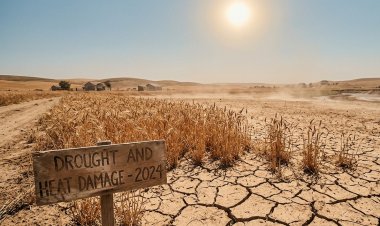
World wheat prices increased by 3.4 percent during the month and were 7.8 percent above their level a year earlier. FAO attributed the rise mainly to expectations of smaller harvests among major exporters, particularly the United States, where winter wheat crop conditions are reported to be among the poorest in decades. U.S. Hard Red Winter wheat prices were 28 percent higher than in May 2025.
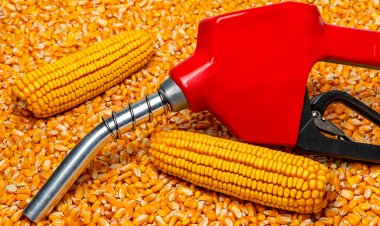
Maize prices gained 1.9 percent on the month, supported by strong import demand, tighter supplies in Brazil and the United States, and higher energy prices that boosted demand from the ethanol industry.
Rice prices also strengthened. The FAO All Rice Price Index increased by 2.7 percent as weather concerns and higher crude oil prices supported quotations in key Asian exporting countries.
Vegetable oils decline
In contrast, the FAO Vegetable Oil Price Index fell by 4.6 percent from April, marking its first monthly decline of 2026. Palm oil prices weakened amid expectations of lower global import demand and uncertainty in energy markets. Soybean oil prices showed mixed trends, with larger export supplies from South America weighing on prices, while strong biofuel demand in North America provided support. Rapeseed and sunflower oil prices, however, continued to rise due to tight global supplies.
Sugar surges on El Niño concerns
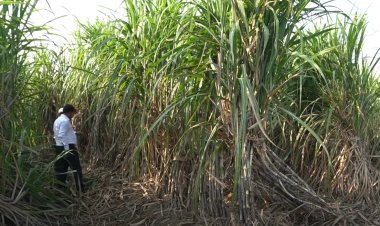
The sharpest increase among major commodity groups came in sugar. The FAO Sugar Price Index jumped 7.5 percent in May. The rise was driven by expectations that a smaller share of Brazil’s sugarcane crop would be used for sugar production and instead diverted toward ethanol. Markets were also influenced by concerns that the developing El Niño weather pattern could negatively affect sugar production in India and Thailand during the coming year.
Meat and dairy markets mixed
The FAO Meat Price Index edged up by 0.1 percent. Beef prices increased due to strong import demand, particularly from China and the United States. Pork prices, however, declined as abundant supplies in the European Union and weaker import demand weighed on the market.
The Dairy Price Index slipped 0.5 percent from April, largely due to lower butter prices. Cheese prices remained broadly stable, while skim milk powder prices recorded gains. Whole milk powder prices showed mixed trends across markets.
Global cereal production expected to fall
Alongside its food price report, FAO released new projections indicating that global cereal production could decline in the 2026-27 season. World cereal output is forecast at 2.982 billion tonnes, representing a 2 percent decline from the previous season. The anticipated drop is largely attributed to lower wheat production after the world harvested a record 3.043 billion tonnes of cereals in 2025-26.
Global cereal consumption is expected to increase by only 0.6 percent in 2026-27, slower than the 2.7 percent growth recorded in the previous season. Global cereal stocks are projected to decline marginally by 0.3 percent, mainly because of lower rice inventories, although stock levels are expected to remain comfortable overall.
FAO also forecasts a slight 0.3 percent decline in world cereal trade to 507.2 million tonnes during the coming marketing year. Reduced wheat and barley trade volumes are expected to outweigh increases in maize and rice shipments.
The agency said that tensions affecting international shipping routes and rising energy and fertilizer costs will remain key factors influencing global food markets in the months ahead.