
Trump Declares US-Iran Ceasefire ‘Over’ After Fresh Exchange of Strikes
US President Donald Trump declared the US-Iran ceasefire “over” after the two countries exchanged strikes overnight, raising fears of a renewed escalation in the conflict and further disruption to shipping and energy supplies through the Strait of Hormuz.

 Join the RuralVoice whatsapp group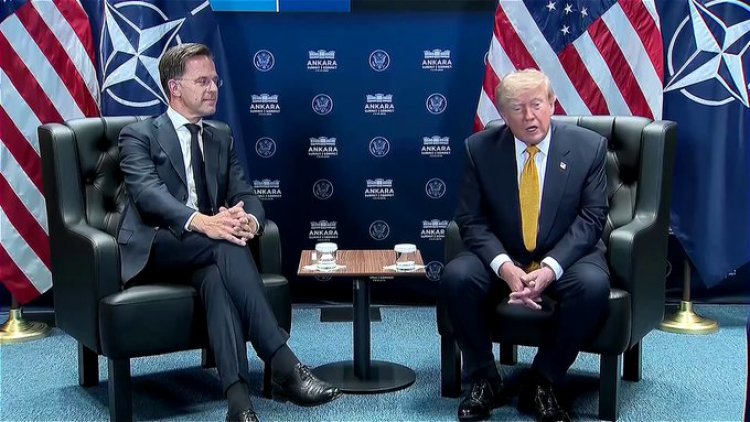
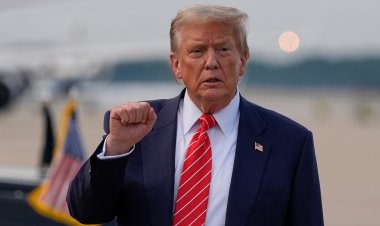
US President Donald Trump on Wednesday declared that the ceasefire agreement between the United States and Iran was “over” after the two countries exchanged strikes overnight, raising fears of a renewed escalation in the conflict and disruption to shipping through the strategically important Strait of Hormuz.
Speaking to reporters on the sidelines of the NATO summit in Ankara, Turkey, Trump said he no longer wanted to engage with the Iranian leadership and described further negotiations as a waste of time.
Asked about the status of the ceasefire, Trump said: “I think it’s over.”
“I don’t want to deal with them anymore”, Trump said. “They’re sick people, they’re led by sick people... As far as I’m concerned, it’s over.”
Trump said negotiators from both countries could continue talks, but suggested that he saw little prospect of progress.
“They can talk,” he said, adding that the negotiators were “wasting their time”. He also accused Iran of dishonesty, saying it was “just a waste of time dealing with them”.
Trump’s remarks came after the US military launched a fresh round of strikes against Iran, targeting more than 80 sites in response to attacks on three commercial vessels in the Strait of Hormuz.
The US Central Command said the operation targeted Iranian military infrastructure, including air defence systems and missile and drone facilities. Washington accused Iran of attacking three oil tankers in the strategic waterway, describing the incidents as a violation of the ceasefire.
Iran has not directly claimed responsibility for the tanker attacks. Tehran, however, accused Washington of violating the truce through its latest military action.
In response to the US strikes, Iran said it had launched missile and drone attacks against US military sites in Bahrain and Kuwait, further intensifying tensions across the Gulf region.
The renewed hostilities have also unsettled global energy markets. Oil prices jumped sharply after the latest escalation and Trump’s declaration that the ceasefire was over. Brent crude rose above $78 a barrel at one stage, while US crude climbed to around $75 a barrel, amid concerns over the security of oil shipments through the Strait of Hormuz.
The strait is one of the world’s most important energy corridors, and prolonged disruption to commercial shipping could have significant consequences for global crude oil and liquefied natural gas supplies.
NATO Secretary-General Mark Rutte backed the latest US military action, describing the strikes as “absolutely necessary” and accusing Iran of violating the ceasefire.
Iranian Parliamentary Speaker Mohammad Bagher Ghalibaf, however, blamed Washington for the collapse of the truce, saying the United States had breached the agreement.
The latest escalation threatens to unravel diplomatic efforts that had produced an interim understanding between Washington and Tehran last month. The two sides signed the Islamabad Memorandum of Understanding, a 14-page framework intended to maintain a ceasefire while negotiations continued towards a broader agreement.
The interim arrangement envisaged a 60-day period for indirect negotiations and included provisions related to the conflict, nuclear issues, sanctions and maritime security. It also sought to maintain the status quo while talks continued.
However, negotiations held in Qatar failed to produce significant progress, and tensions again escalated following attacks on commercial vessels in the Strait of Hormuz and subsequent US military retaliation.
The renewed exchange of strikes has raised concerns that the conflict could again expand across the Gulf, threatening regional security and global energy supplies.