
Fertilizer Crunch Grips Multiple States, Farmers Struggle During Peak Sowing Season
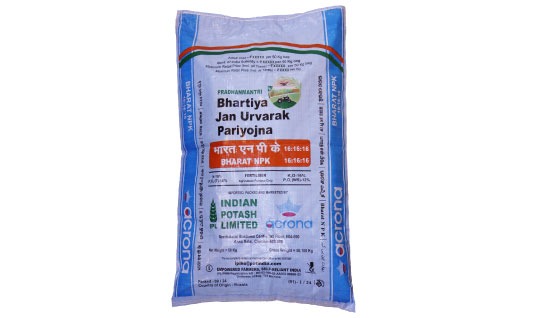
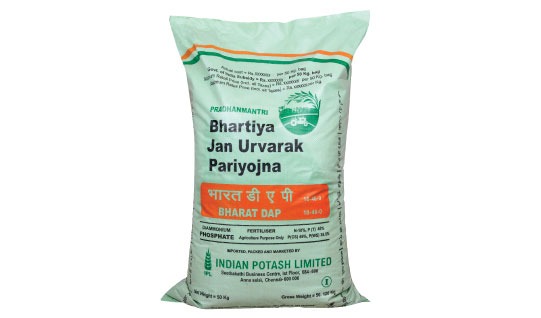
Farmers are distressed by a severe shortage of fertilizers like urea and DAP during the ongoing Kharif sowing season. They are being forced to stand in long queues for fertilizer, and reports of black marketing are emerging from several areas. A decline in imports and the global supply crisis have further worsened the situation.

 Join the RuralVoice whatsapp group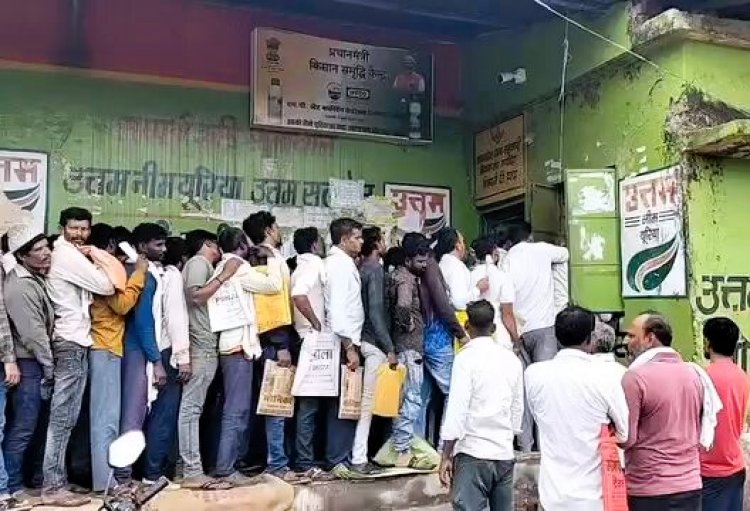
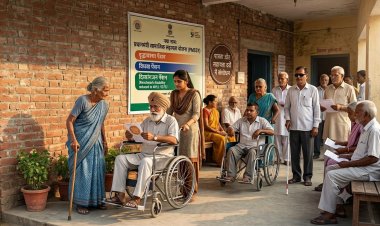
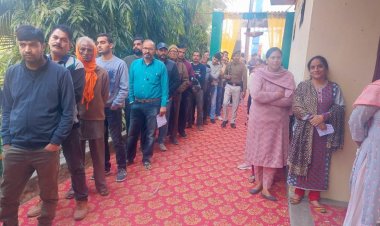
As the Kharif sowing season gains momentum, farmers in several Indian states are facing an acute shortage of essential fertilizers like urea and diammonium phosphate (DAP). From Haryana and Punjab to Uttar Pradesh, Bihar, and Madhya Pradesh, farmers are seen standing in long queues at fertilizer distribution centers. In many areas, women are standing the que as early as 4–5 a.m., while some farmers mark their spots overnight with bags or clothes. Even after waiting for hours, they are often unable to get the required fertilizers due to limited availability compared to demand. At many places, fertilizer is being distributed in the presence of police.
Reports from districts like Khandwa, Khargone, Seoni, and Narmadapuram in Madhya Pradesh indicate serious supply issues. The opposition Congress party has attacked both state and central BJP governments on the crisis. Leader of Opposition Umang Singhar accused the government of selling substandard seeds and now failing to provide timely fertilizer. “When the same party governs both the Centre and the state, why is there a delay in action?” he questioned.
In Chhattisgarh, former Home Minister Tamradhwaj Sahu also alleged that farmers are not receiving fertilizers on time for their paddy crop.
There are also reports of shortage of fertilizers for farmers from districts like Lakhimpur, Pilibhit and Badaun in Uttar Pradesh.
Complaints of Black Marketing and Forced Product Tagging
Farmers are being advised to use alternatives like single super phosphate instead of DAP, which raises their input costs. Additionally, complaints have emerged about dealers forcibly selling zinc and other products along with urea. Taking advantage of the crisis, some sellers are charging inflated prices for urea and DAP.
In Bulandshahr, Uttar Pradesh, complaints of forced product tagging led to the suspension of licenses of two fertilizer shops. Officials have been instructed not to bundle any additional products with DAP or urea sales.
Reasons Behind the Fertilizer Shortage
India relies heavily on fertilizer imports, with China being a key supplier. However, China has drastically reduced DAP exports due to rising domestic demand and increased phosphate requirements for EV batteries. Moreover, disruptions in the Red Sea have forced shipping routes to detour via the Cape of Good Hope, increasing both transit time and costs.
A Rural Voice report revealed that India’s DAP opening stock as of June 1, 2025, was nearly 900,000 tonnes (about 42%) lower than last year, leading to scarcity and black marketing in many regions.
India imported 2.29 million tonnes of DAP from China in FY 2023–24. That figure has plunged to just 0.84 million tonnes in FY 2024–25. India now relies on Saudi Arabia, Morocco, Jordan, and Russia for its DAP needs.
Rising Import Costs
Import prices for DAP have soared, limiting how much Indian fertilizer companies can procure. In June 2025, Indian firms struck deals with Jordan at $781.5 per tonne — up from $515–$525 a few months ago. Now, Saudi supplier SABIC has quoted $810 per tonne, suggesting further price hikes ahead.
The fertilizer shortage at the peak of the Kharif sowing season threatens to impact both productivity and farmer incomes. To prevent long-term damage, both central and state governments must act urgently — not only to stabilize supply but also to enforce transparency in distribution and curb black marketing.