
Mission for Self-Reliance in Fertilizers Likely in Budget 2026–27 to Cut Import Dependence
To reduce rising imports of fertilizers and to improve soil health, the central government is preparing a Mission for Self-Reliance in Fertilizer, likely to be announced in the Union Budget 2026–27. The mission aims to reduce chemical fertilizers demand by 20 percent by 2030 through phased targets, promotion of alternative fertilizers, use of domestic minerals, crop diversification and nutrient efficiency research. The move seeks to lower subsidy burden, curb indiscriminate use of chemical fertilizers and strengthen long-term sustainability in Indian agriculture

 Join the RuralVoice whatsapp group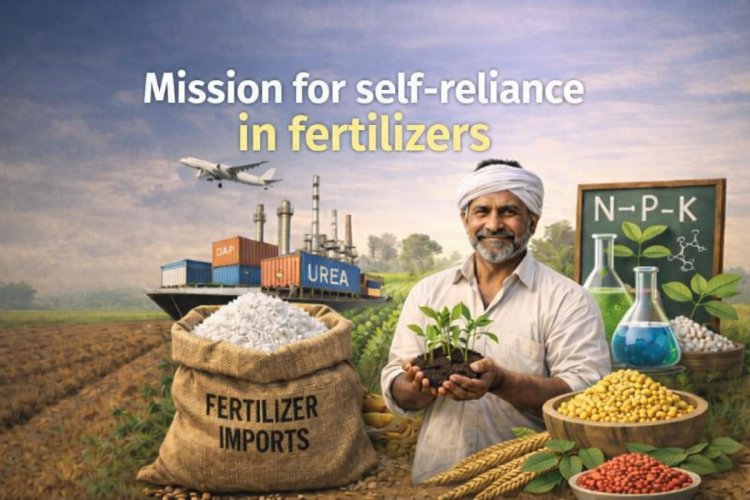
To reduce the growing dependence on fertilizer imports and to protect soil health, the central government is set to take an important step. The government is preparing a comprehensive strategy to achieve self-reliance in the fertilizers in a phased manner, reduce expenditure on fertilizers, and curb the indiscriminate use of chemical fertilizers. For this government may announce a “Mission for Self-Reliance in Fertilizer” in the upcoming Union Budget 2026–27.
Target to Reduce Fertlizer Import by 20 Percent by 2030
The Mission for Self-Reliance in Fertilizers aims to reduce fertilizer import by up to 20 percent by 2030 through an effective and holistic strategy. Under a phased plan, targets will be set for every five years on how to reduce the use of chemical fertilizers. Adequate budgetary allocation will be provided for the mission.
Growing Dependence on Fertilizer Imports
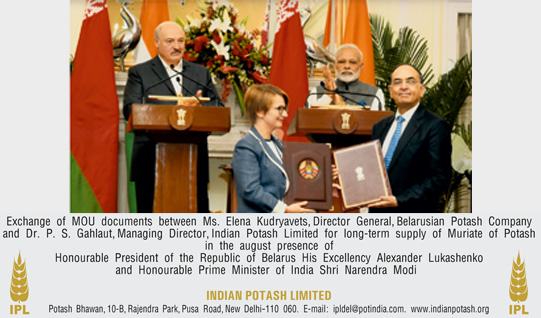
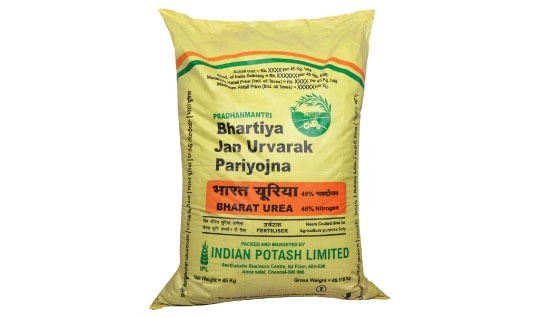
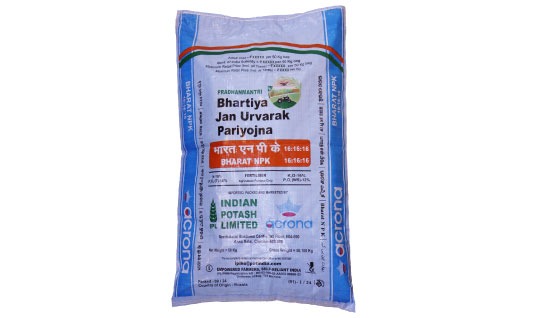
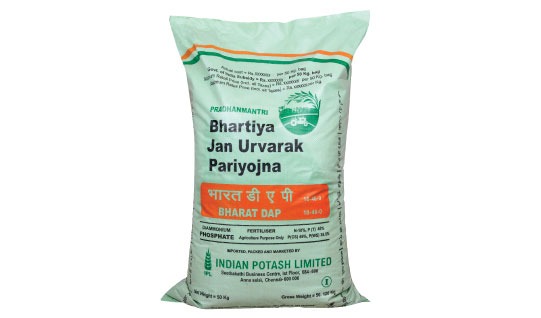
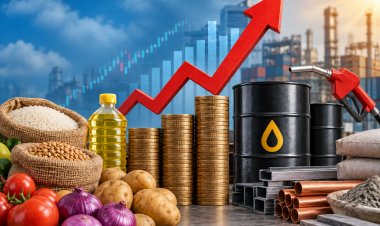
Consumption of chemical fertilizers in the country is rising, requiring large-scale imports to meet demand. In the current financial year 2025–26, India’s fertilizer imports could increase by nearly 76 percent compared to last year, reaching a record USD 18 billion. This year till November, urea imports have surged by 120 percent, while imports of di-ammonium phosphate (DAP) have risen by about 56 percent. Growing dependence on imports not only creates challenges in ensuring timely supply to farmers, but also increases the burden of fertilizer subsidies and exposes the country to price volatility.
Rising Consumption: In the current year, urea consumption is expected to cross 40 million tonnes, while DAP consumption may reach around 10 million tonnes. Use of complex fertilizers is also increasing. The pace at which chemical fertilizer use and imports are rising is creating challenges for soil health, the environment, and the fiscal front.
Subsidy Burden: In the Union Budget 2025–26, the government had provided Rs 1,67,887 crore for fertilizer subsidies. According to revised estimates, this figure is likely to exceed the budgeted amount significantly. Last year, fertilizer subsidies stood at Rs 1,71,299 crore.
Declining Productivity: Scientists believe that imbalanced use of chemical fertilizers has reduced “nutrient use efficiency.” In other words, the increase in output per kilogram of fertilizer applied is now significantly lower than earlier.
Fertilizer Self-Reliance Mission
According to highly placed sources in the government, the central government is set to launch a long-term mission to reduce dependence on fertilizer imports and address challenges related to soil health. Under this mission, fertilizer self-reliance will be strengthened by using domestically available mineral alternatives. Other nutrients that can replace conventional chemical fertilizers will be promoted, and emphasis will be placed on increasing the production of alternative fertilizers through new research. Overall, this will be a comprehensive mission focused on self-reliance in fertilizers.
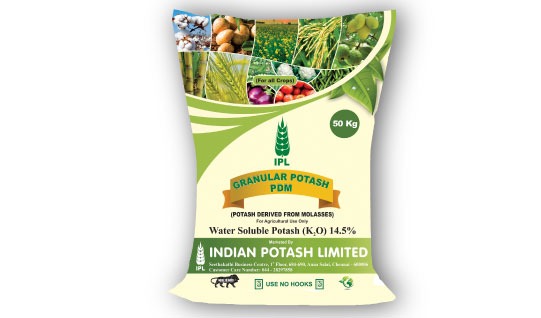
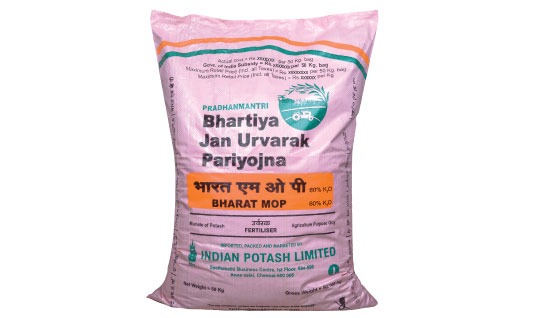
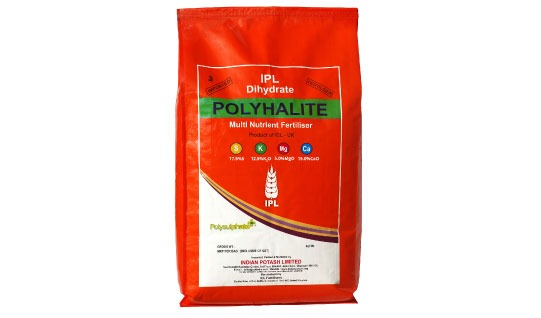
Use of Domestic Mineral Resources: Research will be undertaken to develop new fertilizer “molecules” using minerals available within the country, with a specific focus on reducing imports of potash and phosphorus.
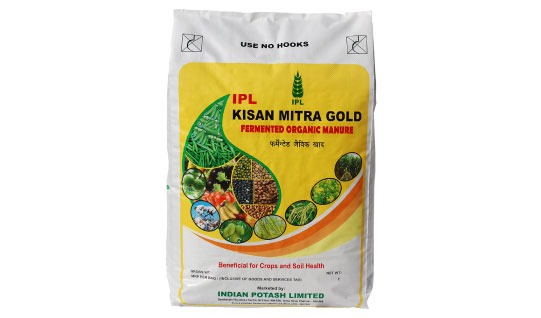
Promotion of Alternative Fertilizers: To improve soil health, organic fertilizers, alternative fertilizers, Biologicals and Microbial–Crop Synergies and micronutrients will be promoted in place of chemical fertilizers.
Crop Diversification: Emphasis will be placed on expanding the area under crops that require lower chemical fertilizer use. For example, increasing the area under pulses will not only reduce fertilizer requirements but also cut pulses imports.
Nutrient Efficiency Research: Focus will be placed on developing crop varieties that can use nitrogen, phosphorus, and potash more efficiently. Nutrient efficiency will be a key focus in the development of new varieties.