From Orchards to Overseas: APEDA Opens Global Markets for Indian Farmers
From the organic apricot orchards of Ladakh to millet-based functional foods from Karnataka and GI-tagged mangoes from Madhya Pradesh, India's agricultural exports are undergoing a significant transformation. Increasingly, the country is exporting not just raw farm produce but also premium, value-added and region-specific products that command higher prices in global markets.

 Join the RuralVoice whatsapp group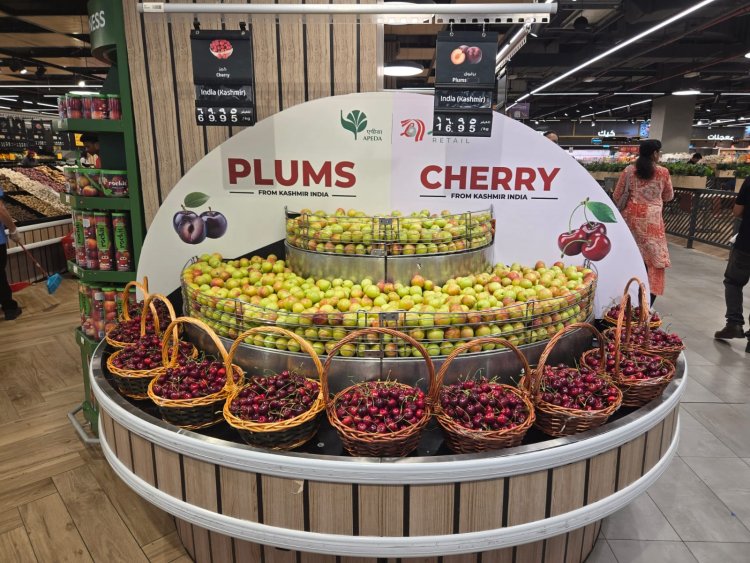
The Agricultural and Processed Food Products Export Development Authority (APEDA), under the Ministry of Commerce & Industry, has been at the forefront of this shift. Over the past few months, it has facilitated a series of first-of-their-kind exports from several states and Union Territories to destinations including the UAE, Oman, Austria, Iraq, New Zealand and the United States. These initiatives have connected farmers directly with international buyers, helping them realize 40–180 per cent higher returns than in domestic markets while showcasing India's growing strengths in quality, traceability and value addition.
The country's agricultural export strategy is also evolving. Rather than relying primarily on bulk commodities such as rice, wheat and marine products, India is increasingly promoting premium fruits, organic produce, GI-tagged products, processed foods and innovative functional food products. APEDA's approach goes beyond export promotion by building complete export ecosystems involving farmers, Farmer Producer Organisations (FPOs), cooperatives, processors, exporters and overseas retailers.
The initiatives mirror changing global consumer preferences for healthy, sustainable and traceable food products. India's diverse agro-climatic conditions, combined with improved post-harvest infrastructure and stronger international market linkages, are creating new opportunities for farmers to participate in high-value global supply chains. Together, these exports illustrate how India's agricultural trade is steadily moving from a strategy driven by volume to one driven by value.
Organic Ladakh Apricots Reach UAE for the First Time
APEDA facilitated the first export of a 5-metric-tonne consignment of organic apricots from Ladakh to the United Arab Emirates (UAE). Dispatched on 15 July 2026 through a strategic partnership with Lulu Group, the shipment establishes a direct market link between Ladakh's apricot growers and consumers in the UAE, marking a significant step in expanding exports of India's premium organic horticultural products.
Ladakh's high-altitude orchards and pollution-free environment produce organically grown apricots known for their rich flavor, nutritional value and superior quality. The export provides farmers with access to premium international markets, improving price realization while reducing post-harvest losses through organized procurement and efficient logistics. It is also expected to encourage wider adoption of quality production practices and strengthen export-oriented value chains in the region.
APEDA continues to collaborate with the Ladakh administration, exporters, Farmer Producer Organisations (FPOs), cooperatives and international buyers to strengthen export infrastructure, improve market access and promote India's premium organic products globally.

Jammu & Kashmir Exports Premium Cherries and Plums
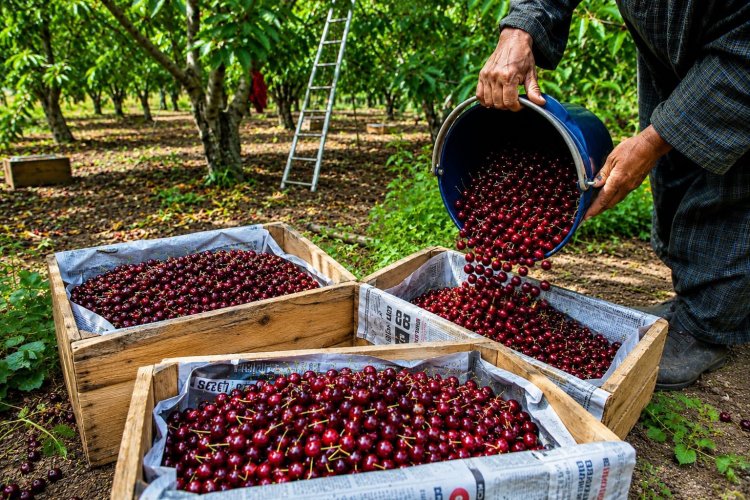
Another milestone came from Jammu & Kashmir, where APEDA facilitated the first export shipment of Areko cherries and Scentrose plums from Shopian and Pulwama districts to Abu Dhabi and Dubai. The one-metric-tonne shipment may appear modest in quantity, but its economic impact is substantial. Farmers reportedly received around 60 per cent higher prices for cherries and an impressive 120 per cent higher returns for plums than in domestic markets.
Kashmir has long been known for producing premium temperate fruits, but exports have often been constrained by fragmented supply chains, post-harvest losses and inadequate market connections. By directly linking growers with international buyers, APEDA has demonstrated the premium that export markets can offer for carefully graded, high-quality produce.
The initiative is expected to encourage more growers to adopt export-oriented orchard management, improve quality standards and participate in organized supply chains.
Uttarakhand Ships IQF French Fries to Iraq
One of the most notable examples of agricultural value addition comes from Uttarakhand, where APEDA facilitated the state's first export of Individual Quick Frozen (IQF) French fries to Iraq. The shipment, exported by Virun Global Trade Pvt. Ltd., highlights the growing importance of value-added agricultural exports from the state.
The 24-metric-tonne shipment from Kashipur in Udham Singh Nagar district illustrates the growing importance of processing in agricultural exports. Instead of exporting raw potatoes, locally produced tubers were converted into a globally traded processed food product through grading, washing, blanching, cutting and IQF processing before shipment.
This transformation significantly increases value addition within the producing region while creating demand for quality raw materials from farmers. APEDA's support extended beyond infrastructure. The exporter participated in international exhibitions such as SIAL, Gulfood, IndusFood and World Food India, where interactions with overseas buyers eventually resulted in the Iraqi export order.
The initiative also highlights a key policy issue affecting inland states. Logistics costs remain a major constraint for exporters located far from ports. APEDA is therefore working with the Uttarakhand government on a State Agri Export Policy that includes transport assistance to improve export competitiveness.

Punjab Exports Fresh Litchi to Oman
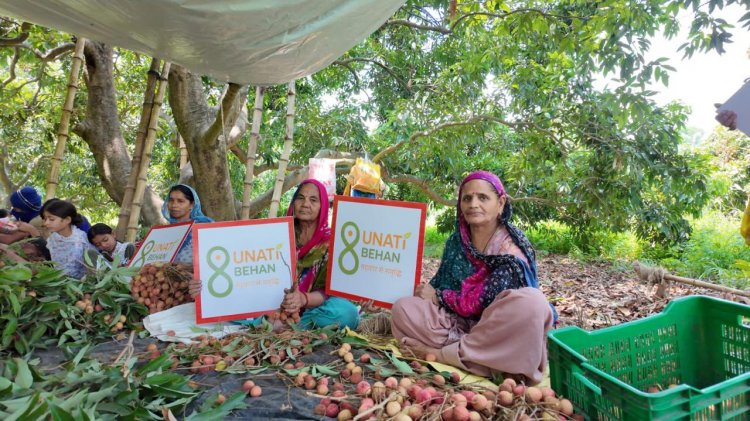
In Punjab, APEDA facilitated the state's first export of fresh litchi to Oman through the Unnati Agri Allied Cooperative Society in Hoshiarpur.
The export assumes greater significance because it was undertaken by a cooperative rather than an individual exporter. Farmers reportedly realized around 46 per cent higher returns than in domestic markets. Hoshiarpur's foothill region has traditionally produced high-quality litchi, but the fruit's short harvest season and perishability have limited its geographical reach.
Modified Atmosphere Packaging (MAP) technology played a crucial role in preserving freshness during transit, demonstrating how post-harvest innovations are becoming increasingly important for fresh fruit exports. The shipment also showcases opportunities emerging under the India-Oman Comprehensive Economic Partnership Agreement (CEPA).
Odisha Exports Value-Added Egg Powder to Europe
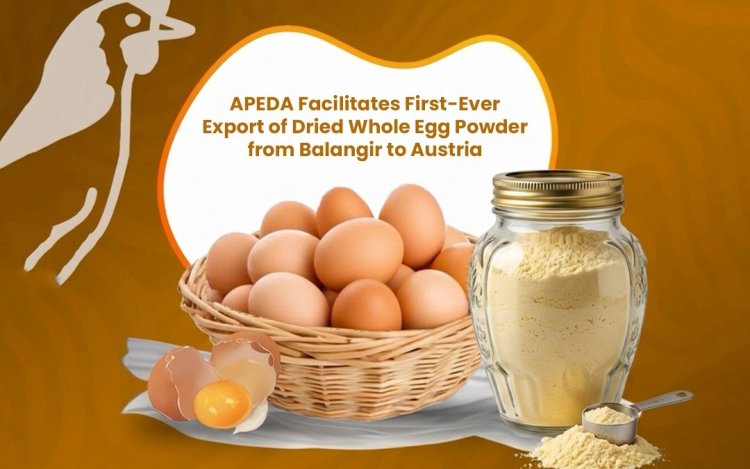
India's export ambitions increasingly extend beyond fresh produce. A major milestone was achieved when Odisha exported its first commercial shipment of dried whole egg powder to Austria. The 22.6-metric-tonne consignment, exported from Balangir by OVO Farm Pvt. Ltd., reflects India's growing capability in value-added poultry products.
Dried egg powder is widely used in bakery products, confectionery, processed foods and the pharmaceutical industry because of its long shelf life and ease of transportation. Producing export-quality egg powder requires sophisticated processing facilities and strict compliance with food safety standards.
The exporter established a modern processing facility in 2025 and adopted quality systems compliant with Export Inspection Council standards and European Union hygiene requirements. APEDA supported infrastructure development, food safety systems and laboratory strengthening through its Financial Assistance Scheme, helping the company meet demanding international standards.
GI-Tagged Rewa Sundarja Mangoes Debut in UAE
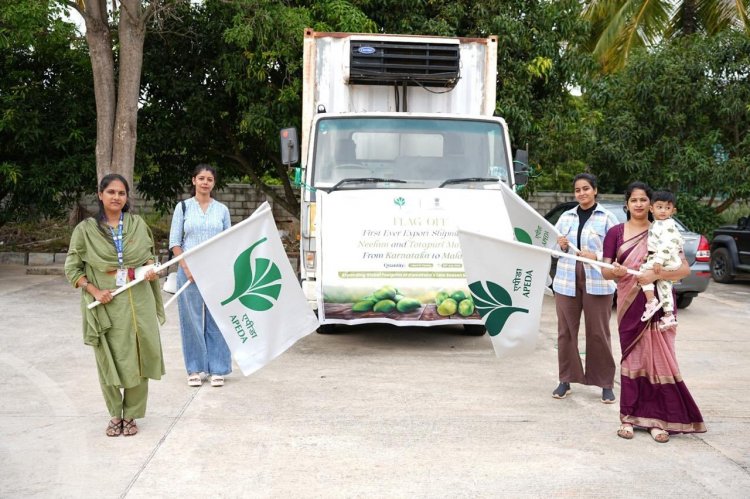
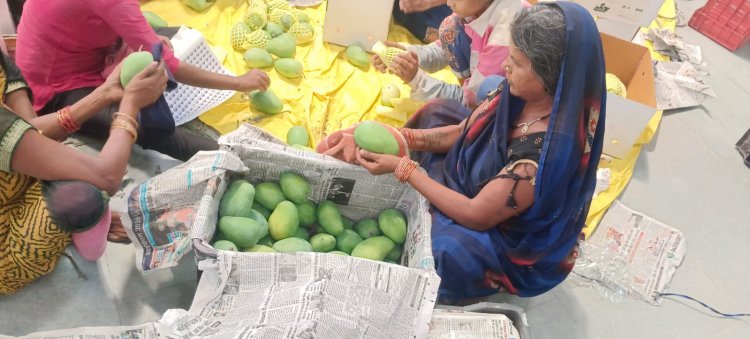
Madhya Pradesh's famous GI-tagged Rewa Sundarja mango has entered international markets with its first commercial export to the UAE. The one-metric-tonne consignment was exported by Salt Range Foods Pvt. Ltd. after APEDA coordinated with the Madhya Pradesh Horticulture Department, exporters, FPOs and international buyers.
Known for their exceptional sweetness, fiberless pulp and rich aroma, Sundarja mangoes enjoy a strong regional reputation but had never entered international commercial markets. The mangoes were sourced from Seondha Farmer Producer Company, graded and packed at an APEDA-supported packhouse before being airlifted from Varanasi. The export proved highly rewarding for growers, who realized nearly 150 per cent higher prices than local market rates.
Assam's ODOP Honey Reaches the United States
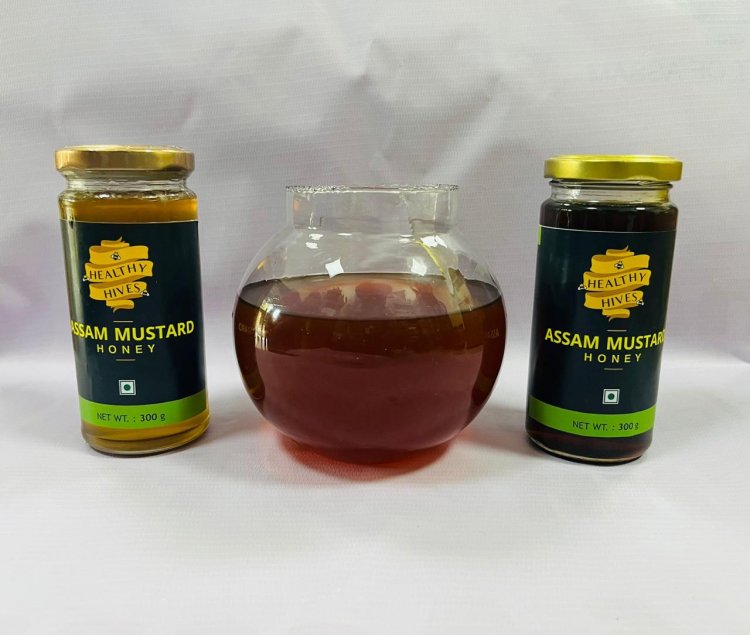
APEDA facilitated the first farmer-led export of ODOP honey from Assam's Baksa district to the United States.
The 20-metric-tonne consignment was exported by Salt Range Foods Pvt. Ltd., highlighting the export potential of products from Aspirational Districts. Baksa honey, produced in pesticide-free and biodiversity-rich environments, is recognized under the One District One Product (ODOP) programme for its purity, floral diversity and medicinal value.
APEDA supported the processing facility with testing and laboratory infrastructure to ensure compliance with international food safety standards. The export delivered approximately 43 per cent higher prices to beekeepers than prevailing local rates, demonstrating how exports can improve rural livelihoods while promoting sustainable beekeeping.
Karnataka Ships Functional Millet Foods to New Zealand
India's International Year of Millets campaign has accelerated global awareness of traditional grains. Building on this momentum, APEDA facilitated the first sea shipment of botanical-infused, ready-to-cook millet functional foods from Karnataka to New Zealand.
Unlike conventional millet exports, these products combine millets with botanicals such as moringa, turmeric, ginger and ashwagandha to create convenient functional foods targeted at health-conscious consumers.
The one-metric-tonne shipment was exported by Bengaluru-based Infini Agrotek LLP. The shipment demonstrates how innovation and food processing can substantially enhance export value compared with raw grain exports.
The exporter secured international buyers after participating in APEDA-supported trade exhibitions including World Food India, IndusFood and Gulfood.

Himachal Pradesh Exports Cherries and Plums to Oman
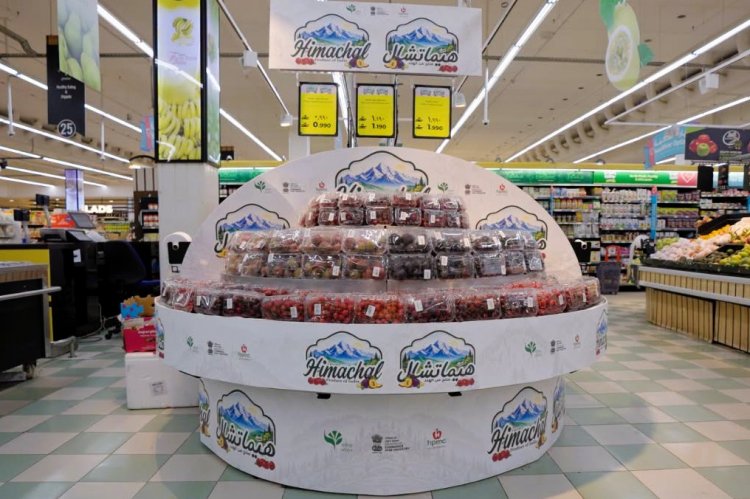
Himachal Pradesh added another chapter to India's horticultural export story with its first commercial shipment of fresh cherries and plums to Oman. The consignment comprised produce sourced from six progressive orchardists in the Jadol-Tikkar and Bagi belts. Farmers reportedly earned 46 per cent higher prices for cherries and 40 per cent more for plums than in domestic markets.
Unlike many export initiatives that begin with infrastructure, this programme started with farmer capacity building. APEDA organized training programmes on export standards, post-harvest handling and quality management before facilitating exports. The Himachal Pradesh Horticultural Produce Marketing and Processing Corporation (HPMC) further reduced farmers' burden by bearing the costs of grading, packaging and quality testing.
Tribal Women Farmers from Jharkhand Access Global Markets
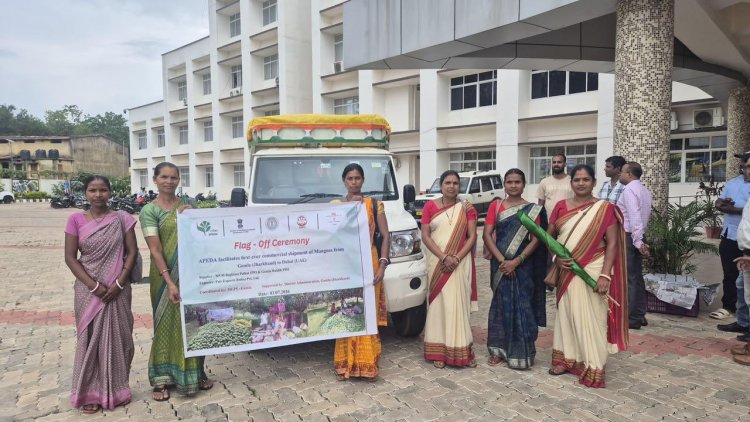
Among the most socially significant initiatives was the export of Amrapali mangoes from the Aspirational District of Gumla and the Aspirational Block of Deoghar in Jharkhand to Dubai.
The two-metric-tonne shipment was sourced from three women-led Farmer Producer Companies (FPCs) representing more than 50,000 member farmers.
Members of these FPCs realized nearly 180 per cent higher prices than in prevailing local markets, highlighting the transformative impact of export-oriented agriculture on women's collectives and tribal farming communities.
Before the shipment, APEDA organized dedicated capacity-building programmes on international quality standards, post-harvest management and export procedures, enabling farmers to meet global market requirements.
Building an Export-Oriented Agricultural Economy
The series of first-time exports demonstrates APEDA's expanding role in integrating Indian farmers into global agricultural value chains. Rather than focusing only on traditional exports, the organization is increasingly promoting premium fresh fruits, GI-tagged products, processed foods, organic produce, ODOP products and innovative value-added food items.
The initiatives also underline the importance of export diversification. While Gulf countries continue to be major destinations for Indian horticultural produce, shipments to Europe, the United States, New Zealand and Iraq indicate expanding market opportunities for specialized agricultural products.
As global demand for premium, traceable and sustainable food products continues to rise, initiatives such as these could redefine India's agricultural export landscape. The challenge now is to scale these successes across more regions and products while ensuring that small farmers remain central to the country's growing integration with global food value chains.