RUNFASTER4EU Project Launched to Drive Sustainable Oil Crop Cultivation on Marginal Lands
RUNFASTER4EU, a €19.9 million EU-funded project, has launched to promote large-scale cultivation of low-ILUC-risk oil crops on marginal lands in Europe. With trials in five countries and upgrades to Italy’s Matrìca and Versalis plants, the initiative will create sustainable bio-based products while restoring soil health, supporting rural economies, and advancing Europe’s circular bioeconomy.
 Join the RuralVoice whatsapp group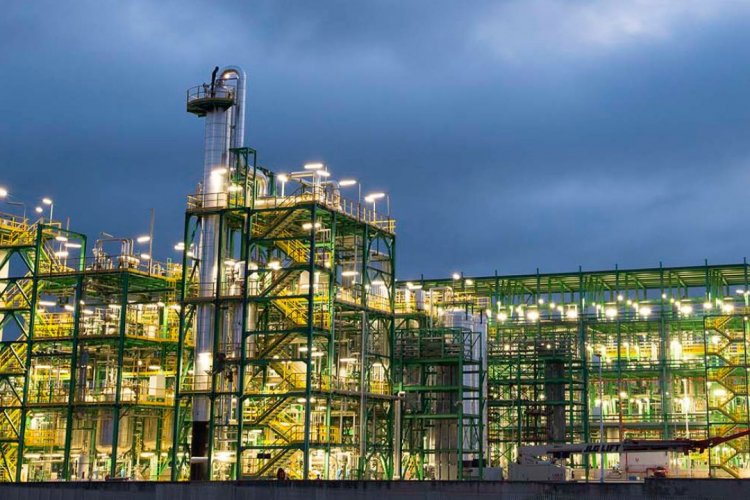
A major European initiative, RUNFASTER4EU, was launched in July 2025 to promote sustainable oil crop cultivation on marginal lands and upgrade two flagship Italian bioproduct plants. The €19.9 million project, funded by the Circular Bio-Based Europe Joint Undertaking (CBE JU), aims to develop bio-based raw materials for products such as cosmetics, bioplastics, bio-stimulants, bioherbicides, dielectric fluids, feed ingredients, and non-isocyanate polyurethanes (NIPU) for applications like vertical gardens.
Led by a consortium of 18 partners from 10 European countries, RUNFASTER4EU focuses on cultivating low-ILUC-risk oil crops like safflower on unproductive, polluted, and non-economical lands not used for food or feed production. The initiative seeks to strengthen bio-based value chains while prioritizing soil health and regeneration. Large-scale cultivation trials will be conducted in Italy, Greece, Serbia, Spain, and Romania, engaging local farmers and validating innovative agronomic practices.
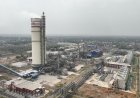
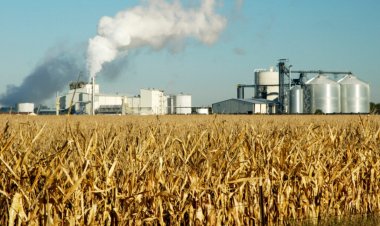
A key part of the project involves upgrading the Matrìca plant at Porto Torres and the Versalis plant at Crescentino to process these oil crops into high-value products. The kick-off meeting, held on 8–9 July 2025 at Eni’s R&D Center in San Donato Milanese, gathered project partners and CBE JU representatives to set the roadmap for the five-year programme.
By demonstrating industrial-scale sustainability and replicability, RUNFASTER4EU aims to advance Europe’s green transition, boost rural economies, and build a more resilient, circular bioeconomy without impacting food production or natural ecosystems.