Khyber Group launches India's largest RAS-based Himalayan trout farming facility in Kashmir
The Khyber Group has launched India's largest RAS-based Himalayan trout farming facility in Kashmir with an investment of over Rs 100 crore. The project aims to raise production capacity to 7,000 metric tonnes annually, support local farmers, generate rural livelihoods and strengthen India's sustainable cold-water aquaculture and seafood exports.
 Join the RuralVoice whatsapp group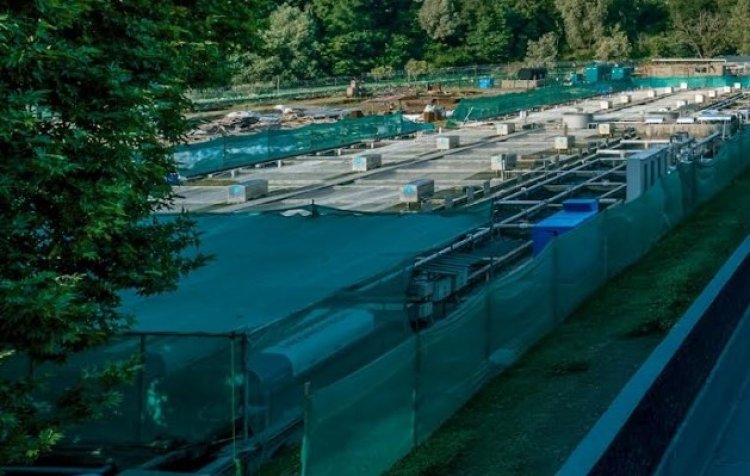
The Khyber Group has entered India's cold-water aquaculture sector with the launch of Khyber Aquaculture, a fully integrated Recirculating Aquaculture System (RAS)-based Himalayan trout farming facility in Jammu & Kashmir. The company said the project aims to strengthen trout production in the region by combining advanced aquaculture technology with local farming communities and developing an export-oriented value chain.
Located at Akhal in Kangan, Ganderbal district, on the banks of the River Sindh, the facility has been developed over 8 acres with an investment of more than Rs 100 crore. The technology-driven farm currently has an annual production capacity of 1,500 metric tonnes of trout, which the company plans to increase to 7,000 metric tonnes within the next three to five years.
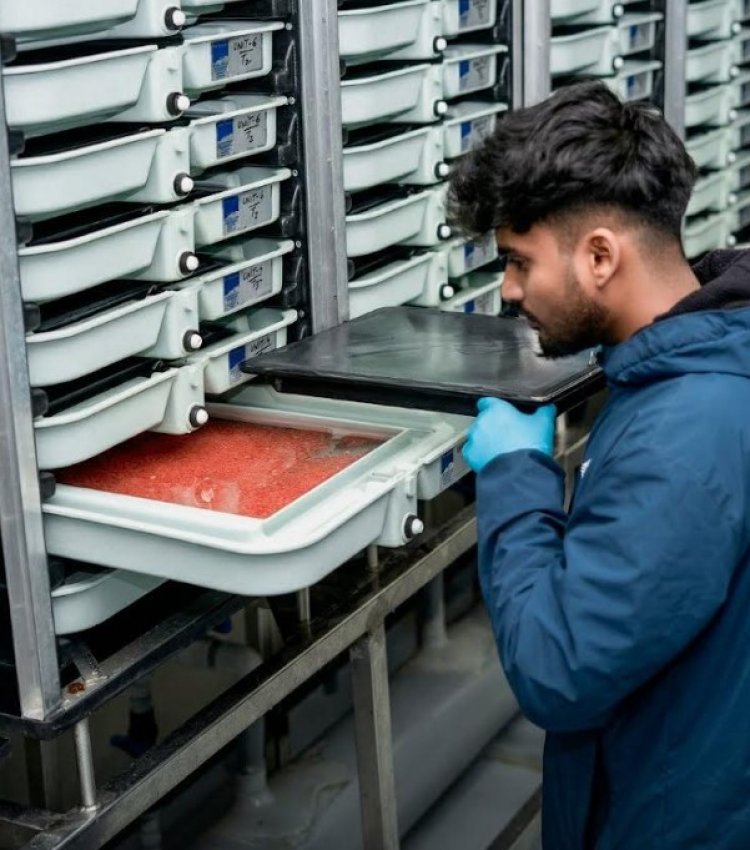
The hatchery at the facility is capable of producing up to 20 million fingerlings annually, supporting year-round trout production in a climate-controlled environment. The company said the RAS technology enables water recycling and reuse, reducing freshwater consumption while maintaining fish health and production efficiency.
According to Umar Tramboo, Chairman and Managing Director of Khyber Aquaculture, the project is designed to create an integrated aquaculture ecosystem by bringing together hatcheries, fish production, processing and supply chains. He said the initiative will support more than 300 local farmers under the Holistic Agriculture Development Programme (HADP) by providing access to modern aquaculture systems and markets.
The company also expects the project to generate over 3,000 indirect livelihood opportunities through its production, processing and packaging operations.
Khyber Aquaculture said it has incorporated breeding material sourced from the United States and precision-controlled systems from Denmark, France and Germany to improve survival rates by 25-30 percent, reduce feed conversion ratios and minimise pathogen exposure. The facility has been designed to meet international quality and export standards.
Its processing unit uses hyper-hygienic cleaning systems and Modified Atmosphere Packaging (MAP) technology to extend the shelf life of fresh trout to 10 days under chilled conditions and six months in frozen storage. Commercial availability of fresh, chilled and frozen trout products is expected from the third quarter of FY2026.
The company has also installed precision chilling systems to maintain water temperatures between 10°C and 14°C, while continuous oxygen injection keeps dissolved oxygen levels within the range required for trout farming.
Khyber Aquaculture said its sustainability framework includes water recirculation, biosecurity management, responsible feed practices, waste management and environmental monitoring. The company plans to strengthen both domestic and export market linkages as demand for premium, traceable and sustainably farmed seafood continues to grow.
According to IMARC Group, India's trout market reached 4,698.7 tonnes in 2025 and is projected to grow to 7,964.7 tonnes by 2034, driven by rising consumer demand for high-protein seafood and increasing government support for aquaculture.