
GST Council Rationalises Rates: Major Relief for Farmers and Common Man
GST Council approves rate rationalisation with a focus on the common man, labour-intensive industries, farmers and key drivers of the economy.

 Join the RuralVoice whatsapp group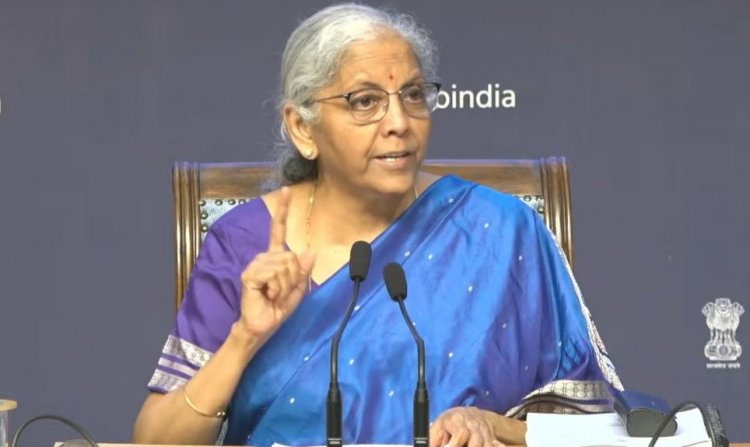
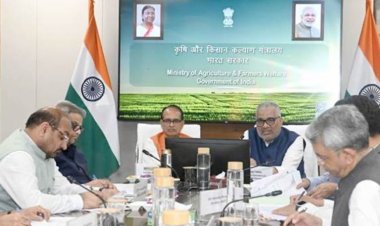
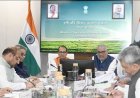
The 56th meeting of the Goods and Services Tax (GST) Council, chaired by Finance Minister Nirmala Sitharaman, has approved sweeping reforms to rationalise GST rates, offering significant relief to the common man, farmers, small businesses, and households.
The Council has streamlined the current four-tier tax structure into a two-rate system — a Standard Rate of 18% and a Merit Rate of 5%. A special de-merit rate of 40% will apply to selected luxury and sin goods.
The rationalisation focuses on the common man, labour-intensive industries, agriculture, health, and key drivers of the economy. GST rates on many essential farm items, including tractors and machinery, have been reduced, providing direct relief to farmers and the agriculture sector. The revised rates will come into effect from September 22, 2025.
The reforms follow Prime Minister Narendra Modi’s Independence Day announcement of citizen-friendly GST measures and aim to simplify taxation, reduce the burden on households, and promote ease of doing business.
Agriculture and Allied Sectors
Farm Mechanisation
-
GST on tractors (<1800 cc) reduced to 5%
-
Tractor components such as tyres, tubes, and hydraulic pumps brought down from 18% to 5%
-
Sprinklers, drip irrigation systems, and harvesting machinery: 12% → 5%
-
Fixed-speed diesel engines (≤15 HP), threshing machinery, and composting machines: 12% → 5%
-
All agricultural, horticultural, or forestry machinery for soil preparation, harvesting, threshing, baling, mowing, or composting: 12% → 5%
Fertiliser Inputs
-
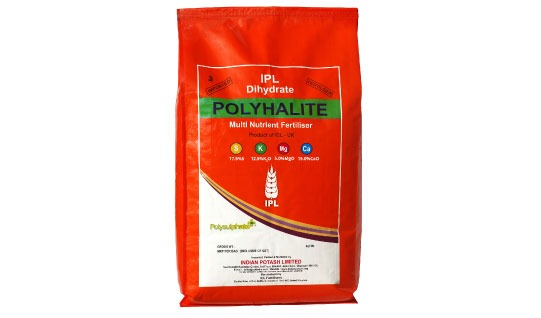
Ammonia, sulphuric acid, nitric acid: 18% → 5%
Bio-Pesticides & Micronutrients
-
Bio-pesticides and several micronutrients: 12% → 5%
-
Micronutrients listed under the Fertiliser Control Order, 1985, revised to 5% from 12%
Fruits, Vegetables & Food Processing
-
Prepared/preserved vegetables, fruits, and nuts: 12% → 5%
Dairy Sector
-
No GST on milk and paneer
-
Butter, ghee, and cheese: 12% → 5%
-
Milk cans (iron, steel, aluminium): 12% → 5%
Aquaculture
-
Prepared or preserved fish: 12% → 5%
Textiles
-
Correction of inverted duty structure: manmade fibre reduced from 18% to 5%, and manmade yarn from 12% to 5%
Solar Power & Renewable Energy
-
Solar-powered devices and renewable energy parts: 12% → 5%
Relief for Households
-
Household items such as hair oil, soap bars, shampoos, toothbrushes, toothpaste, bicycles, tableware, kitchenware: 18%/12% → 5%
-
Ultra-High Temperature (UHT) milk, packaged paneer, and all Indian breads (chapati, paratha, parotta, etc.): 5% → NIL
-
Packaged namkeens, bhujia, sauces, pasta, noodles, chocolates, coffee, preserved meat, cornflakes, butter, ghee: 18%/12% → 5%
-
Beauty and wellness services (gyms, salons, barbers, yoga centres): 18% → 5%
-
Children’s bottles, napkins, diapers, sewing machines, maps, notebooks, and stationery: NIL or minimal GST
Healthcare Sector
-
Exemption of GST on all individual life and health insurance policies (including ULIPs, family floaters, and senior citizen plans) and reinsurance
-
33 lifesaving drugs: 12% → NIL; 3 lifesaving drugs: 5% → NIL
-
All other medicines: 12% → 5%
-
Medical apparatus and devices (surgical, dental, veterinary, analytical): 18% → 5%
Electronics
-
Air-conditioners, TVs (up to 32 inches; now all TVs at 18%), dishwashers, and small cars: 28% → 18%
Automobiles
-
Small cars and motorcycles (≤350 cc): 28% → 18%
-
Buses, trucks, ambulances: 28% → 18%
-
Uniform 18% rate on all auto parts; three-wheelers: 28% → 18%
De-Merit Goods
Pan masala, gutkha, cigarettes, aerated water, caffeinated drinks, and large cars will now attract a 40% GST rate.