
Oilmeal Exports Fall 31 Percent in June, First-Quarter Shipments Down 13 Percent
India’s oilmeal exports fell 31 Percent year-on-year to 217,757 tonnes in June 2026, taking April-June shipments 12.55 Percent lower at 957,224 tonnes. High domestic prices, cheaper South American soybean meal, freight disruptions and growing DDGS use constrained exports. Strong Chinese, Bangladeshi and Vietnamese demand, particularly for rapeseed meal, provided support.

 Join the RuralVoice whatsapp group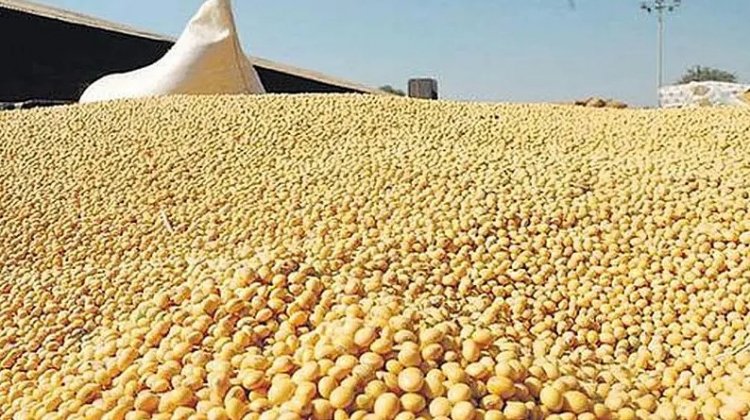
India’s oilmeal exports declined sharply in June 2026, falling 31% year-on-year to 217,757 tonnes from 313,404 tonnes a year earlier. During April-June, exports stood at 957,224 tonnes, down 12.55% from 1.095 million tonnes in the corresponding period of 2025.
The data compiled by the Solvent Extractors’ Association of India (SEA) points to continued pressure on India’s competitiveness in the global oilmeal market. Soybean meal exports have been particularly affected by cheaper supplies from Argentina and Brazil, while high domestic prices and strong demand from the animal feed and livestock sectors have limited exportable surplus.
The decline in June followed a mixed trend during the quarter. Exports were 365,560 tonnes in April, 373,907 tonnes in May and 217,757 tonnes in June. Compared with the previous year, April shipments declined 21.53%, May recorded an 18.58% increase, while June shipments fell 30.51%.
Rapeseed meal has emerged as an important support for Indian oilmeal exports, particularly because of strong demand from Asian markets. China was the largest buyer during April-June, importing 313,384 tonnes, up 67.26% from 187,361 tonnes a year earlier. Of this, rapeseed meal accounted for 309,650 tonnes.
Bangladesh imported 143,013 tonnes during the quarter, up 13.19%, while Vietnam’s imports rose 55.96% to 90,559 tonnes. In contrast, South Korea’s imports fell 25.48% to 108,186 tonnes and Thailand’s declined 12.50% to 70,569 tonnes.
Shipping conditions have also remained a constraint. Continuing disruptions in the Red Sea and elevated freight costs have affected export realisations and maritime routes to traditional Western and European buyers. At the same time, domestic feed markets are increasingly using cheaper alternatives such as dried distillers grains with solubles (DDGS), an ethanol-industry by-product, reducing demand for conventional oilmeals.
The export outlook remains closely linked to global price competitiveness, domestic availability and freight costs. The latest data indicate that while rapeseed meal demand in Asian markets is providing some support, weakness in soybean meal exports continues to weigh on India’s overall oilmeal shipments.