
Prof. K. C. Bansal Elected Fellow of The World Academy of Sciences
Prof. K. C. Bansal has been elected Fellow of the The World Academy of Sciences (TWAS) from 2025, recognizing his global contributions to plant biotechnology, genetic diversity and abiotic stress tolerance research. His work on genomics, GM crops and genetic resources has significantly advanced climate-resilient crop development and agricultural biotechnology policy.

 Join the RuralVoice whatsapp group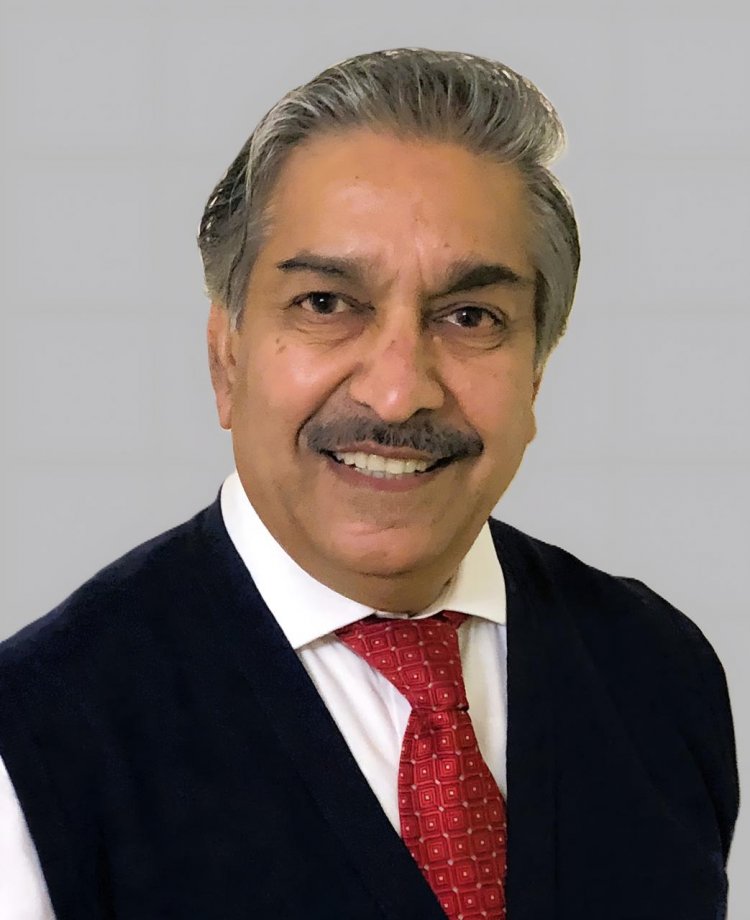
Prof. K. C. Bansal, an eminent Indian plant scientist, has been elected as a Fellow of The World Academy of Sciences (TWAS), effective 2025. TWAS Fellowship is a highly prestigious international recognition awarded to scientists from developing countries for their outstanding contributions to the advancement of science. Notably, to date, only eight scientists from India have been elected to TWAS in the field of Agriculture, Nutrition and Food Systems Sciences.
Prof. Bansal is internationally recognized for his significant research contributions on genetic engineering and genomics for abiotic stress tolerance, and the use of genetic diversity for crop improvement. His work has contributed substantially to advancing plant biotechnology and strengthening efforts to develop GM crops.
He obtained his PhD with a Gold Medal from the Indian Agricultural Research Institute, New Delhi, and later carried out advanced research in plant biotechnology at Harvard University, USA. He was awarded the prestigious Rockefeller Foundation Career Biotechnology Fellowship and worked as a Visiting Scientist at Rutgers University, New Jersey, USA. In 2010, he was also the first scientist to be selected for the Norman Borlaug Chair.
Prof. Bansal served as Director of the ICAR-National Bureau of Plant Genetic Resources, a premier institute of the Indian Council of Agricultural Research, under the Department of Agricultural Research and Education, Government of India. He also served as the elected Secretary of the National Academy of Agricultural Sciences, India. At the international level, he represented Asia as the elected Vice-Chair of the 15th Regular Session of the Commission on Genetic Resources for Food and Agriculture of the Food and Agriculture Organization of the United Nations during 2013–2015.
Prof. Bansal has also played a visionary role in strengthening agricultural education in India. He was instrumental in formulating the National Agricultural Higher Education Project (NAHEP), a World Bank-supported initiative that has significantly benefitted agricultural universities across the country by enhancing quality, innovation, and global competitiveness in agricultural higher education.
At the research front, Prof. Bansal made major contributions to cloning and functional validation of several important genes and promoters related to abiotic stress tolerance, which were shared with ICAR institutions for developing improved GM crops. He strongly promoted the use of crop genetic diversity for crop improvement and took the unprecedented initiative to characterize and evaluate the entire germplasm collections of wheat (about 20,000 accessions) and chickpea (about 15,000 accessions) conserved in the Indian National Genebank.
Building on this success, he conceptualized and launched the Consortium Research Platform on Agro-biodiversity under ICAR to characterize and evaluate gene bank collections of major agri-horticultural crops in close collaboration with plant breeders. The initiative aimed to promote effective utilization of germplasm resources to broaden the genetic base and develop climate-resilient crop varieties.
Prof. Bansal has also been an active advocate for the responsible use of modern biotechnological tools, including genetically modified and gene-edited crops in the country. As a member of several national regulatory and advisory committees, he has contributed to policy discussions on agricultural biotechnology and has actively engaged in communicating the potential benefits of these technologies to the public at large, including school and college students.
Over his distinguished career, Prof. Bansal has received numerous prestigious honours, including the Indian Science Congress Association national award conferred by the Hon’ble Prime Minister of India, the Haryana Vigyan Ratna - the highest science award of the Government of Haryana - and the Rafi Ahmed Kidwai Award of the Indian Council of Agricultural Research. More recently, he was conferred the prestigious Dr. B. P. Pal Memorial Lecture Award (2025) by the National Academy of Sciences, India.
Prof. Bansal’s election as a Fellow of TWAS is a recognition of his outstanding scientific achievements and his enduring contributions to advancing agricultural biotechnology, genetic resources management, and sustainable agriculture for food and nutritional security.