
Most Indian Urea Plants Operating at 60pc Capacity; Global Prices Surge to $600/tonne
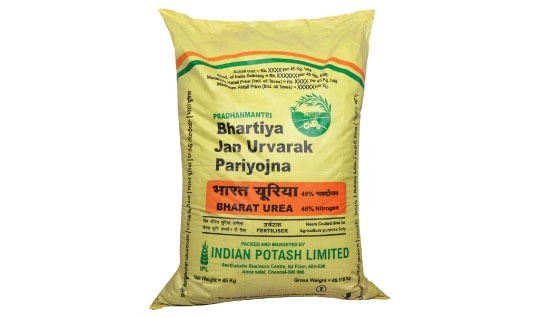
The ongoing US-Israel and Iran conflict has disrupted global gas supplies, forcing most Indian urea plants to operate at only 60 percent capacity. International urea prices have surged over 25 percent to 600 ollars per tonne. Although fertilizer stocks in India are currently higher than last year, prolonged disruptions could trigger supply challenges.

 Join the RuralVoice whatsapp group
The ongoing conflict involving the United States, Israel, and Iran has begun to affect fertilizer production in India, with reduced gas availability forcing most domestic urea plants to operate at only about 60% of their installed capacity. Only plants located in southern India are currently running at full capacity.
Industry sources indicate that the lower gas supply has constrained production levels, and if the situation persists, it could eventually impact urea availability in the country. Production costs are also rising as energy prices increase. Reflecting these pressures, international urea prices have climbed by more than 25% over the past month to around $600 per tonne.
Despite these challenges, fertilizer inventories in India are presently stronger than they were a year ago, offering some short-term cushion.
According to industry officials, most plants are producing in line with the gas volumes allocated to them. Some fertilizer companies are also considering advancing their annual maintenance shutdowns, normally scheduled in April, to cope with the gas shortage. However, such shutdown schedules can only be moved forward by about a week to ten days. At present, only two or three plants are undergoing maintenance as per the regular March shutdown plan.
The disruption stems from escalating tensions in West Asia. Following Iranian attacks, several Gulf countries — including Qatar, the UAE, Kuwait, Bahrain, and Saudi Arabia — have halted imports of gas produced at their oil and gas facilities and have shut down several of their own plants. In addition, the closure of the Strait of Hormuz has disrupted oil and gas shipments from the region.
As a result, global gas prices have risen sharply to over $20 per mmBtu, while the pooled gas price supplied to Indian fertilizer plants through GAIL currently stands at $13.63 per mmBtu, based on the delivered price at the plant gate. India meets roughly 50% of its gas requirement through imports, making the sector highly sensitive to international supply disruptions.
Global Urea Prices Rise Sharply
Urea prices have also surged in the international market. Industry sources say prices have climbed to about $600 per tonne, compared with roughly $475 per tonne in early February — an increase of more than 25% within a month.
India imports around 10 million tonnes of urea annually. Experts warn that if the conflict continues until the end of March, it could trigger a major challenge for both the fertilizer industry and farmers. Restarting the gas plants currently shut in Saudi Arabia, the UAE, Kuwait, Bahrain, and other Gulf nations could take at least a month once the situation stabilizes.
Since Gulf countries supply a significant share of India’s gas imports, prolonged disruptions could make the situation more serious.
Import Options Limited
India does have the option of sourcing urea from Oman. Indian cooperatives IFFCO and Kribhco operate a joint venture urea plant in Oman, and another plant also exists there. However, supplies from Oman alone would not be sufficient to meet India’s total demand.
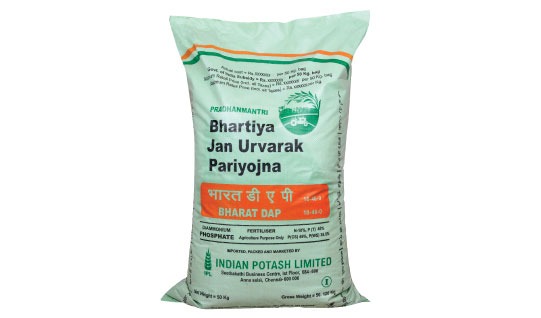
India also depends heavily on imports for both finished fertilizers and raw materials used in producing di-ammonium phosphate (DAP), the country’s second most imported fertilizer. India consumes roughly 10 million tonnes of DAP annually. At present, Russia remains the most reliable supplier, as imports from other countries have become uncertain.
Even before the conflict escalated, DAP prices had surged from about $650 per tonne to around $740 per tonne in the international market.
If the conflict continues, India could also face supply disruptions in LNG, ammonia, sulphur, and phosphatic fertilizers. Ammonia is a key raw material used in urea production. India consumes around 40 million tonnes of urea every year, and prolonged under-utilization of domestic plants would inevitably increase dependence on imports.
Fertilizer Stocks Currently Higher Than Last Year
Despite the emerging risks, fertilizer stocks in India are currently higher than last year. According to industry sources, urea stocks stood at 5.5 million tonnes at the end of February 2026, compared with 4.9 million tonnes during the same period last year.
The stock position for DAP is significantly stronger. DAP inventories were 2.5 million tonnes at the end of February 2026, compared with 1.3 million tonnes a year earlier.
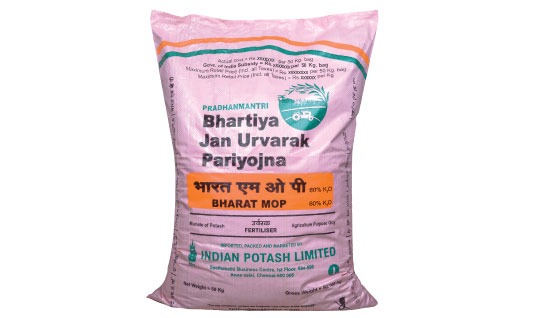
However, Muriate of Potash (MOP) stocks were slightly lower at 1.292 million tonnes, compared with 1.5 million tonnes during the same period last year.
Among complex fertilizers, NPK stocks were considerably higher at 5.4 million tonnes, compared with 3.2 million tonnes last year. Similarly, Single Super Phosphate (SSP) inventories stood at 3.2 million tonnes, up from 2.2 million tonnes a year earlier.
While the current inventory levels provide temporary relief, industry experts warn that a prolonged geopolitical crisis could disrupt fertilizer supplies and increase costs for Indian agriculture in the coming months.