
PM-KISAN’s Next Phase should Follow the Farm Calendar
PM-KISAN’s five-year extension up to 2030-31 offers an opportunity to link predictable income support with timely, locally relevant farm advisories. Aligning each instalment with district-level agricultural calendars could help farmers plan crops, livestock, horticulture and farm investments better, while preserving their complete freedom to use the financial assistance as they choose.

 Join the RuralVoice whatsapp group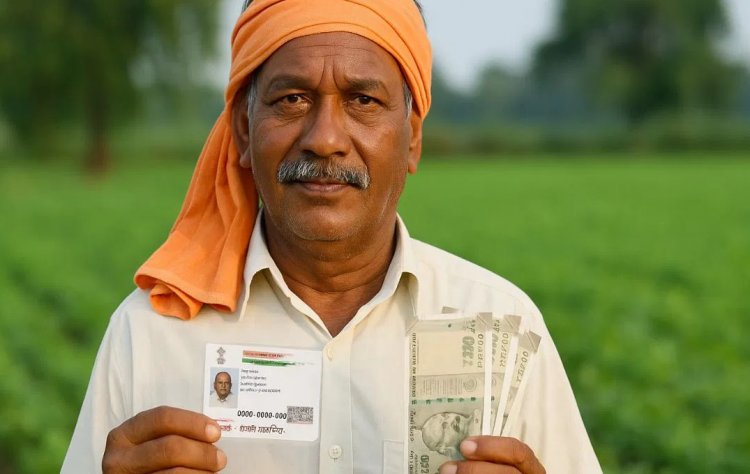
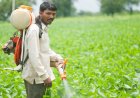
In a farming household, ₹2,000 can serve a different purpose at different times of the year. Before sowing, it may help with seed or fertiliser. In another season, it may support the purchase of fodder, veterinary medicines or inputs for orchard management. In mountain areas, it may help a family arrange essential supplies before winter, when farming follows a shorter and more demanding calendar. The amount remains the same, but its usefulness is shaped by timing.
The Union Cabinet’s decision of July 31, 2026, to continue the Pradhan Mantri Kisan Samman Nidhi, or PM-KISAN, for another five years therefore carries significance beyond the financial allocation. The scheme will continue from 2026-27 to 2030-31 with an outlay of ₹3,15,614 crore. Eligible landholding farmer families will continue to receive ₹6,000 annually through three direct transfers of ₹2,000 each.
The continuation provides farming households with an important element of certainty. PM-KISAN has built a simple and dependable system in which support reaches the farmer’s bank account directly and the household decides how best to use it.
The next phase offers an opportunity to build further on this strong foundation. Each instalment can be accompanied by brief, locally relevant information on agriculture, horticulture, livestock and related services available during that season.
The purpose would be to widen the choices available to the farmer. The transfer would remain fully flexible, while timely information could help families plan their farm and livelihood requirements with greater confidence.
A farm household works as one unit
My academic training is in veterinary science, and much of my administrative experience has been in rural and tribal areas of Jammu and Kashmir. One lesson from this experience is that a rural household manages its livelihood as a whole. Agriculture, livestock, horticulture, wage work and household expenditure are closely connected.
A family may cultivate a small parcel of land, maintain an orchard, rear cattle, sheep or goats and depend on seasonal work. Income from one activity often supports another. Crop earnings may be used for fodder. Milk income may meet the cost of seed. Livestock may provide regular cash flow between two agricultural seasons.
In such a setting, even a modest and predictable transfer can support better planning. Its value can increase further when it reaches the household alongside useful information relevant to that period of the year.
India’s agricultural calendar varies widely across regions. The needs of a paddy farmer in the plains are different from those of an apple grower in the hills. A livestock-owning household may focus on vaccination, fodder conservation or deworming at a particular time. Farmers in high-altitude areas often have a shorter working season and plan inputs well before winter.
A national income-support programme can therefore be complemented by district-level agricultural calendars that reflect local crops, livestock systems, weather conditions and seasonal livelihoods.
A brief seasonal advisory
District administrations can prepare a short agricultural and livestock advisory around each PM-KISAN instalment. This need not be a lengthy document. A brief message in the local language can provide two or three practical points linked to the upcoming season.
It may inform farmers about:
a) the approaching sowing period;
b) availability of certified seed;
c) soil-testing services;
d) horticultural operations;
e) livestock vaccination schedules;
f) crop-insurance timelines;
g) veterinary camps; or
h) local training programmes.
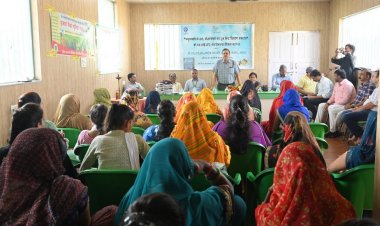
The advisory can be prepared jointly by agriculture, horticulture, animal husbandry and allied departments, with support from Krishi Vigyan Kendras, Panchayats, cooperatives, Common Service Centres and farmer producer organisations.
The PM-KISAN instalment cycle can serve as a convenient point for coordinating this information. For instance, an instalment arriving before the local sowing window may be accompanied by information on seed availability, soil testing and crop insurance. In a livestock-dominant area, the advisory may focus on vaccination, fodder conservation and access to veterinary services. In horticultural regions, it may highlight pruning, plant protection, grading or post-harvest management.
The strength of this approach lies in its simplicity. The payment continues in its existing form, while the farmer receives useful information at a time when planning decisions are being made.
Building on a strong delivery platform
PM-KISAN has developed into one of India’s largest direct benefit transfer programmes. The 23rd instalment, released in June 2026, transferred more than ₹18,880 crore to over 9.44 crore farmers, including 2.18 crore women. More than ₹4.46 lakh crore has been transferred since the scheme began in 2019.
This scale reflects the strength of the digital and administrative platform created under the programme. Beneficiary verification, Aadhaar-based processes, bank transfers, status tracking and grievance services have made the system accessible across the country. The same platform can now support locally timed farm advisories.
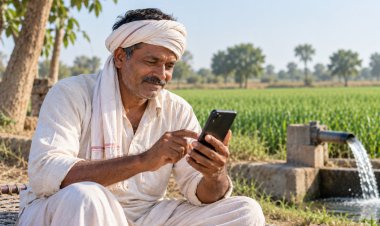
Technology can provide reach, while local institutions can provide context. Many farmers are comfortable receiving a message on their phone and then discussing it with an agriculture extension worker, veterinary assistant, Panchayat representative or official they already know.
This combination of digital access and local guidance can make the advisory more useful.
Livestock as part of farm planning
For many small and marginal farming households, livestock is central to economic security. Milk provides regular cash income. Sheep and goats serve as productive assets. Farmyard manure supports cultivation. Livestock also helps households balance income across seasons.
From my veterinary and field experience, animal-health expenditure is often time-sensitive. Vaccination, treatment, fodder conservation and seasonal management can have a direct impact on household income.
District-level advisories linked with the PM-KISAN cycle can therefore include livestock requirements wherever they are important to the local economy. This is particularly relevant in pastoral, mountain and tribal regions, where farming and animal husbandry are closely connected.
A locally prepared calendar can identify the months when vaccination, deworming, fodder storage, breeding support or veterinary outreach is most useful. Farmers can then receive information about the nearest available service at the appropriate time.
Strengthening outreach to women beneficiaries
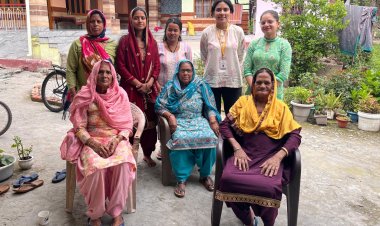
The presence of more than 2.18 crore women among the beneficiaries of the latest instalment is significant. Women contribute substantially to livestock care, fodder collection, sowing, weeding, post-harvest work and household financial management. Locally timed advisories can connect women beneficiaries with self-help groups, producer collectives, veterinary services, agricultural extension and training opportunities.
The communication can be designed in accessible local language and shared through women’s groups, Panchayat meetings, extension networks and digital platforms. This would expand access to information while preserving the beneficiary’s full control over the transfer.
Learning from outcomes
The next phase of PM-KISAN also provides an opportunity for periodic studies on how predictable support helps farming households plan. Sample-based assessments can examine whether families are able to purchase inputs more conveniently, access veterinary or extension services, participate in crop insurance, undertake soil testing or make timely farm investments.
Such studies can help identify regional patterns and strengthen the quality of local advisories. The focus can remain on learning from household experience and improving the support ecosystem around the scheme.
From certainty to better planning
PM-KISAN’s five-year continuation creates a stable policy window. The scheme already has national reach, a reliable delivery platform and a strong relationship with farming households. Its next phase can combine this predictability with timely local information. The transfer can continue to remain fully in the farmer’s hands. Around it, district administrations and local institutions can make relevant services easier to understand and access.
For a farming household, timing matters. When predictable income support is accompanied by useful information on crops, livestock and local services, families are better placed to plan the coming season. The next five years can therefore strengthen PM-KISAN not by changing its basic character, but by building on its greatest strengths: simplicity, certainty, direct delivery and the freedom it gives farmers to decide.
(Dr Abdul Khabir is a member of the Jammu and Kashmir Administrative Service. A veterinary science graduate, he has worked in rural development, tribal welfare and public administration, including with farming and pastoral communities in Jammu and Kashmir. The views expressed are personal.)