
Sugar Stockholding Limit Cut to 15 Days for Dealers, To Be Implemented From October 15
The government has revised stockholding limit for sugar dealers to 15 days from October 15, capping stocks at 1,000 quintals, with higher limits for Kolkata and Assam. The move aims to curb hoarding and ensure smooth supplies during the festive season. Retail sugar prices have fallen 15% from their August peak.

 Join the RuralVoice whatsapp group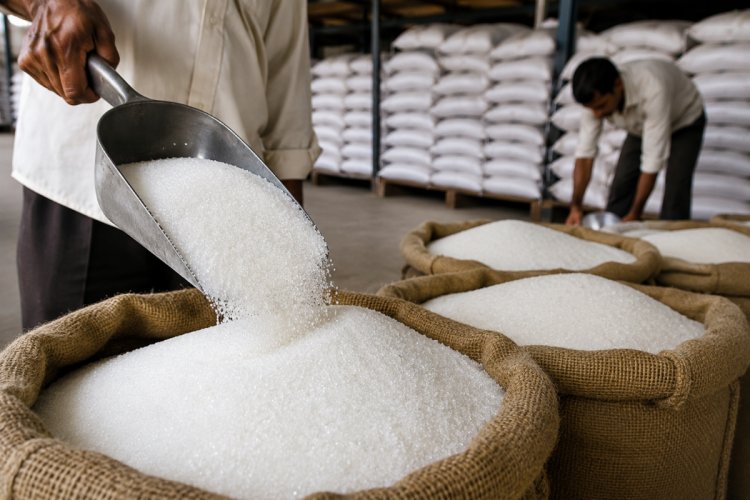
The Government of India has restored tighter sugar stockholding norms for dealers, limiting the holding period to 15 days and capping stocks at 1,000 quintals from October 15 to November 30, 2026. The move comes with the beginning of the new sugar season and ahead of the festive period, when demand for sugar typically rises.
Stock limit fixed at 1,000 quintals
According to the Ministry of Consumer Affairs, Food & Public Distribution, a sugar dealer will not be permitted to hold stocks for more than 15 days from the date of receipt. The quantity held by a dealer will also not be allowed to exceed 1,000 quintals at any time or place across the country.
An exception has been made for Kolkata and its extended metropolitan areas and Assam, where the stockholding limit has been fixed at 2,000 quintals. The government said Kolkata sources sugar from Uttar Pradesh, Maharashtra and Karnataka and supplies it to eastern India, including the North-Eastern region. The higher limit for Assam takes into account geographical constraints and transportation logistics.
The revised norms are aimed at preventing excessive accumulation of sugar in the distribution chain, curbing hoarding and discouraging speculative trading. The government said restricting both the quantity and duration of stockholding would facilitate the movement of sugar from mills to dealers and ultimately consumers.
Earlier relaxation for bulk consumers
The move follows a relaxation announced on September 18, under which bulk consumers were allowed to hold sugar stocks for up to 30 days, against the earlier 15-day limit. However, the additional stock beyond 15 days had to be sourced exclusively from sugar imported under the Advance Authorisation Scheme (AAS) and Tariff Rate Quota (TRQ).
Sugar purchased from the open market remained subject to the 15-day consumption limit. The relaxation was intended to provide greater operational flexibility to industrial consumers during the festive season without putting additional pressure on domestic sugar supplies.
TRQ surrender deadline extended
The government has simultaneously taken steps concerning imported sugar under TRQ. The Directorate General of Foreign Trade (DGFT) extended the deadline for surrendering unutilised quantities from the TRQ allocated for importing 10 lakh tonnes of raw sugar to October 15.
TRQ holders surrendering unused quantities are required to pay an amount equivalent to 0.5% of the CIF value of the surrendered quantity. Other terms and conditions governing the TRQ allocation remain unchanged.
Retail prices down 15%
Meanwhile, the government has claimed that the retail sugar prices have fallen 15% from their August peak, according to the government, while ex-mill prices have declined by around 28% and remained stable over the past three weeks.
The government expects retail prices to soften further as the benefit of lower ex-mill prices is passed through the supply chain. It has urged wholesalers and retailers to immediately pass on the reduction in ex-mill prices to consumers.
Govt monitors sugarcane supply
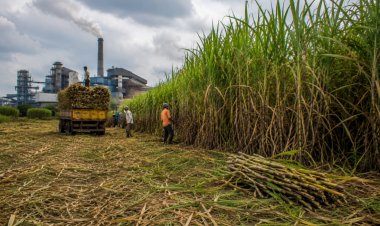
Sugar mills have been advised to begin crushing operations according to agro-climatic conditions in their respective regions. The government said it would continue monitoring the impact of uneven and deficient rainfall associated with El Niño conditions on sugarcane in certain sugar-producing regions.
It said necessary measures would be taken to maintain a balance between domestic sugar availability, consumer interests and remunerative returns for sugarcane farmers. State governments have also been advised to take appropriate decisions on crushing operations based on prevailing field conditions.