
Global Drought Hotspots Report Reveals Alarming Scale of Human and Ecological Crises in 2023–25
A joint UNCCD-NDMC report warns that 2023-25 marked one of history’s worst global drought crises, triggering food, water, and energy breakdowns across Africa, Asia, Latin America, and Europe. Over 90 million Africans face acute hunger; crops failed, rivers dried, and wildlife perished. The Amazon and Panama Canal saw critical disruptions. Women and children suffered most. Experts urge urgent investment in drought monitoring, nature-based solutions, and global cooperation, calling drought an ecological and social emergency demanding immediate, coordinated action.

 Join the RuralVoice whatsapp group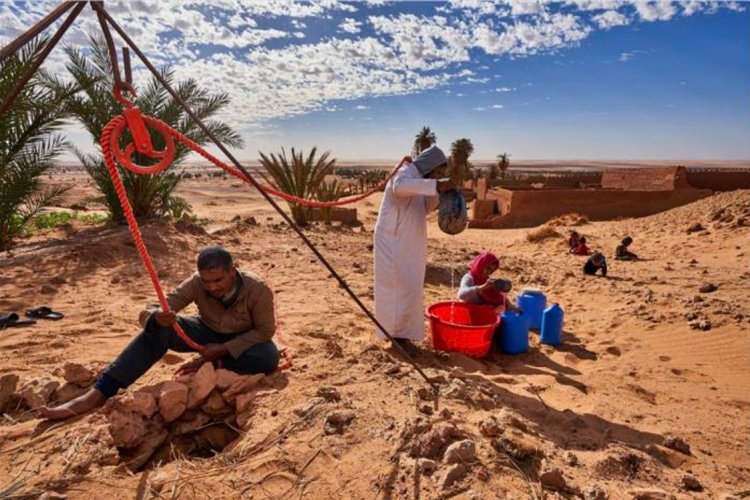
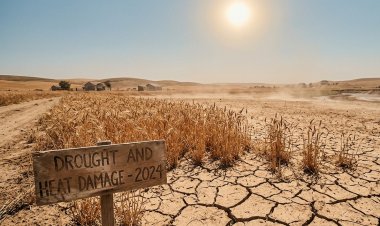
A sweeping new report released jointly by the U.S. National Drought Mitigation Center (NDMC) and the UN Convention to Combat Desertification (UNCCD) catalogues some of the most severe and widespread drought events in recorded history. Covering the period from 2023 to 2025, the report offers a grim account of climate change-fueled droughts leading to food, water, and energy crises, economic disruption, and large-scale human suffering across the globe.
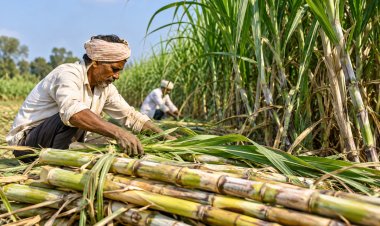
Titled "Drought Hotspots Around the World 2023–2025," the report is backed by the International Drought Resilience Alliance (IDRA) and draws on hundreds of government, academic, and media sources to outline the compounding effects of droughts on poverty, hunger, health, and ecosystem stability. It mentions how dry conditions in Thailand and India triggered an increase in the price of sugar in the US.
"Drought is a silent killer," said UNCCD Executive Secretary Ibrahim Thiaw. "It is escalating and demands urgent global cooperation. When food, water, and energy collapse together, society begins to unravel. That’s the new normal we must be prepared for."
NDMC Founding Director Dr. Mark Svoboda described the situation as "the worst global drought scenario I've ever seen," emphasizing that this is no longer a series of isolated dry spells, but a slow-moving global catastrophe. "No country, regardless of wealth or infrastructure, can afford to be complacent," he warned.
Africa: A Region in Peril
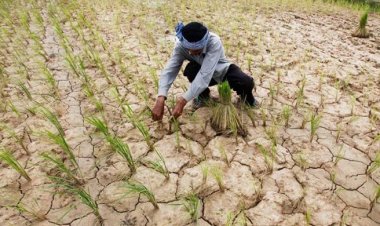
The report singles out Eastern and Southern Africa as among the hardest-hit regions, where over 90 million people are facing acute hunger. Southern Africa, already vulnerable, witnessed around 68 million people in need of food aid in August 2024 alone. In Zimbabwe, maize crop losses reached 70%, maize prices doubled, and 9,000 cattle perished. Zambia suffered crippling power outages - up to 21 hours a day - due to drastically reduced water levels in the Zambezi River that slashed hydroelectric output.
Somalia reported over 43,000 drought-related deaths in 2022, with 4.4 million more at risk of crisis-level hunger in early 2025. Ethiopia, Malawi, and Zambia also experienced repeated crop failures, deepening humanitarian challenges.
Mediterranean: Economic Impacts Mount
In Spain, two consecutive years of drought and extreme heat led to a 50% drop in olive oil production by September 2023, doubling prices. Morocco's sheep population shrank by 38% compared to 2016, prompting royal appeals to forego Eid sacrifices. In Türkiye, severe groundwater depletion triggered over 1,600 sinkholes, damaging infrastructure and threatening long-term aquifer health.
Latin America: Amazon at Risk
Drought in the Amazon Basin resulted in record-low river levels, mass deaths of fish and over 200 endangered river dolphins, and disrupted transport and drinking water access for remote communities. The Panama Canal, a vital global trade artery, was also affected; daily transits dropped from 38 to 24 between October 2023 and January 2024, delaying shipments and raising global commodity prices.
Southeast Asia and Beyond
In Southeast Asia, rice, coffee, and sugar production faced disruptions. Dry conditions in India and Thailand drove a near 9% surge in U.S. sugar prices. The ongoing El Niño event further intensified drought conditions, creating what NDMC's Dr. Kelly Helm Smith called a "perfect storm" that overwhelmed ecosystems and infrastructure.
Drought's Human Cost
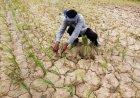
Women, children, and marginalized communities bore the brunt. In Eastern Africa, child marriages surged as families exchanged dowries for economic relief. In Zimbabwe, school dropout rates spiked due to hunger and lack of sanitation. In the Amazon, Indigenous women gave birth in isolated areas without access to clean water or medical aid.
Lead researcher Paula Guastello noted the growing desperation: "Families digging for water in dry riverbeds, hospitals going dark, and children pulled from school—these are not anomalies. They are the warning signs of systemic collapse."
Wildlife and Ecosystems in Crisis
The drought decimated wildlife. Over 100 elephants died in Zimbabwe’s Hwange Park due to a lack of food and water. Hippos were stranded in dry riverbeds in Botswana. Some countries culled wildlife to feed human populations and prevent ecosystem overgrazing.
The report urges nations to invest in real-time drought monitoring and early warning systems, implement nature-based solutions such as watershed restoration, improve off-grid energy and water technologies, prioritize gender-responsive adaptation strategies, and enhance global cooperation on transboundary water resources.
"Drought is not just a weather event; it's a social, economic, and ecological emergency," said Dr. Smith. "We know what to do—the question is whether the world has the will to act." As UNCCD Deputy Executive Secretary Andrea Meza emphasized, "Drought resilience must become a cornerstone of global climate policy. Equity, justice, and proactive planning are no longer optional—they are urgent necessities."