
Govt Acknowledges Sugar Production Significantly Below Initial Estimate
The government has acknowledged that India’s current-season sugar production is estimated to be around 306 LMT from the initial 343 LMT, citing Red Rot, Top Borer and waterlogging. It said sugar stocks remain adequate and advised mills to begin crushing from October 15. NFCSF has meanwhile sought a hike in the minimum selling price of sugar to Rs 43 per kg.

 Join the RuralVoice whatsapp group
The Government of India has acknowledged that actual sugar production during the current season is significantly lower than its initial estimate. The Ministry of Consumer Affairs, Food & Public Distribution on Friday issued a clarification stating that sugar production during the current season is expected to be around 306 lakh metric ton (LMT), compared with the initial estimate of around 343 LMT.
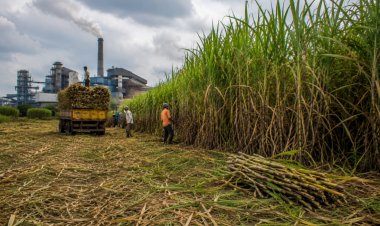
According to the ministry, production has been affected by Red Rot and Top Borer diseases in sugarcane, as well as waterlogging caused by excess rainfall. However, despite the lower-than-estimated production, adequate sugar stocks are available in the country to meet domestic demand until the new crushing season begins in October.
According to the clarification, states and sugar mills have been advised to begin crushing from October 15, 2026. This is expected to increase sugar production in October from the usual 3-4 LMT to more than 10 LMT, thereby improving availability during the festive season. It also states the steps taken so far including imposing stock limits.
Although sugar prices have crossed Rs 60 per kg in most places, the ministry stated that the average sugar price stood at Rs 55.70 per kg on August 20, 2026, compared with Rs 48.18 per kg a month earlier.
“The present increase in sugar prices is due to a combination of factors, including lower-than-expected domestic production, increased demand ahead of the festive season, weather-related damage to the sugarcane crop, tightening global sugar supplies and speculation and hoarding by some sections of the industry,” the ministry said.
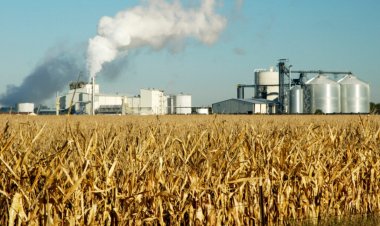
The ministry also said it was incorrect to attribute the recent increase in sugar prices to the diversion of sugar for ethanol production. In fact, the share of sugar diverted for ethanol has declined from around 12% in 2022-23 to around 9% in 2025-26. Moreover, nearly three-fourths of the ethanol produced in the country now comes from grains, particularly maize.
The ministry said the ethanol programme has helped farmers and strengthened the financial position of sugar mills. India normally produces around 320-340 LMT of sugar annually, against domestic consumption of around 280-290 LMT.
“In years of surplus production, excess stocks block the funds of sugar mills and can delay payments to sugarcane farmers. Diversion of excess sugar towards ethanol has helped address this structural problem and improved the financial health of sugar mills. The results are visible. As on August 20, 2026, 97% of sugarcane dues for the 2025-26 sugar season have already been paid to farmers,” it said.
National Cooperative Sugar Federation Demands Hike in Minimum Selling Price
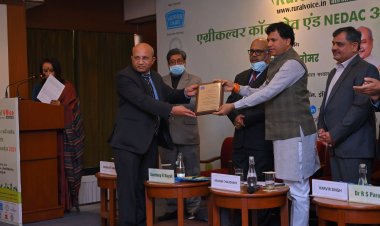
In a statement, Harshvardhan Patil, President of the National Federation of Cooperative Sugar Factories (NFCSF), said, “The National Sugar Federation has been and will be standing firmly with the Government of India in smooth and effective implementation of the above decisions.”
He also requested the government to increase the minimum selling price (MSP) of sugar to Rs 43 per kg from the existing Rs 31 per kg. He said, “The average computed realization of the entire season is still hovering around Rs 40 per kg, which is below the production cost of Rs 43 per kg.”
He further said the cooperative sugar sector would make every effort to start the crushing season by October 15, 2026, provided the concerned state governments permit it. This, he said, would ensure that sugar produced early in the season is available to meet the expected rise in festive demand.