
NFCSF Supports MoPNG’s Clarification on E20 Fuel: Ethanol is Safe, Efficient, and Sustainable
NFCSF strongly supports the recent clarification issued by the Ministry of Petroleum and Natural Gas (MoPNG), which addresses the concerns raised about the impact of 20% ethanol-blended petrol (E20) on vehicles.

 Join the RuralVoice whatsapp group
The National Federation of Cooperative Sugar Factories (NFCSF) has extended strong support to the Ministry of Petroleum and Natural Gas (MoPNG) for its recent clarification addressing concerns surrounding the use of 20% ethanol-blended petrol (E20). The federation called the apprehensions “unfounded” and reaffirmed ethanol’s safety, efficiency, and sustainability.
“The Ministry has rightly cited extensive domestic and international research confirming that E20 has no significant adverse effects on engine performance, fuel efficiency, or durability — even in older vehicles. Comprehensive testing by esteemed institutions such as the Automotive Research Association of India (ARAI), the Indian Institute of Petroleum (IIP), and Indian Oil Corporation (R&D) has established the mechanical and material compatibility of E20 across a wide range of vehicle types,” the NFCSF said in a press release.
The Ethanol Blending Programme (EBP) has emerged as a game-changer for India's energy security, environmental goals, and rural economy. Some of its major contributions include:
-
Environmental Impact: Ethanol blending has helped cut carbon dioxide emissions by over 700 lakh tonnes, aiding India’s efforts in combating climate change and meeting global environmental targets.
-
Energy Security: By reducing crude oil imports, E20 blending has saved the country more than ₹1.2 lakh crore in foreign exchange since 2014–15.
-
Farmer Empowerment: Ethanol production has enabled payments exceeding ₹1.04 lakh crore to farmers, enhancing rural livelihoods and ensuring financial stability.
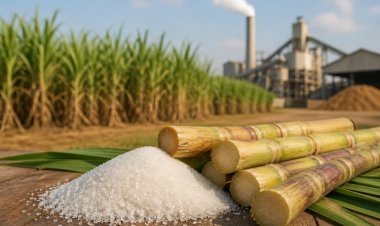
The NFCSF emphasized that the EBP programme has significantly contributed to making the sugar sector more financially sustainable. It has improved cash flows, ensured timely payments to cane farmers, and reduced the industry's dependence on government subsidies. Moreover, it is helping develop a robust rural bioeconomy and increasing the use of renewable, indigenous energy sources.
The NFCSF reaffirms that ethanol blending is a scientifically validated, economically inclusive, and environmentally responsible initiative. The cooperative sugar sector remains fully aligned with the national ethanol roadmap and is committed to expanding production capacities for E20 and beyond.