
Crude Oil Prices Return to Pre-War Levels, But LNG Prices Remain Elevated
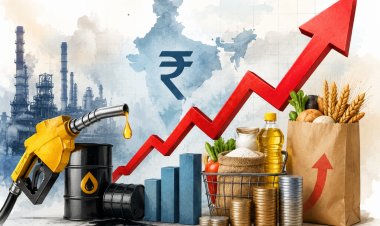
Crude oil prices have fallen sharply following reports of a U.S.-Iran agreement, with Brent crude returning to pre-war levels. However, WTI crude, the Indian crude basket, and natural gas prices remain above pre-conflict levels. LNG prices are expected to ease as production and shipping disruptions in the Gulf region normalise.

 Join the RuralVoice whatsapp group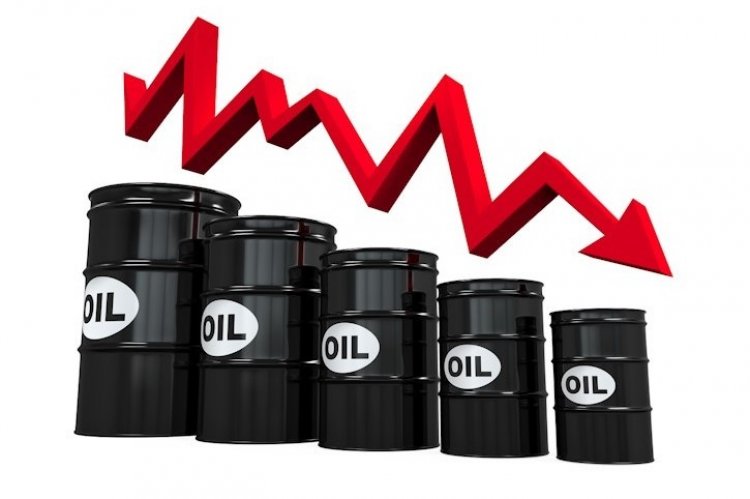
Crude oil prices have continued to decline following reports of a possible agreement between the United States and Iran. In the international market, Brent crude prices have now returned to their pre-war levels. However, U.S. WTI crude remains more expensive than before the conflict. India sources crude oil from multiple countries, and the price of the Indian basket also remains higher than it was before the war. Natural gas prices, meanwhile, continue to stay elevated.
According to data available on OilPrice.com, Brent crude fell to $72.54 per barrel on June 25, compared with $72.87 per barrel on February 27, before the conflict began. During the war, Brent crude had surged to $114.44 per barrel on May 4.
The United States and Israel launched attacks on Iran on February 28. A day earlier, on February 27, WTI crude was trading at $67 per barrel. As of June 25, it was trading at around $69.47 per barrel. During the conflict, WTI had climbed to $112.41 per barrel on April 6.
As for the Indian crude basket, its average price stood at $70.86 per barrel on February 26 and is currently at $75.28 per barrel. According to OilPrice.com, the Indian basket had touched as high as $157 per barrel on March 23.
Another factor contributing to the decline in crude oil prices is weakening demand from China. According to Standard Chartered, China imported 7.82 million barrels of crude oil per day in May, the lowest level since February 2018.
In contrast to crude oil, natural gas prices in the international market remain firm. Natural gas is currently trading at around $3.28, compared with $2.87 on February 27 before the conflict began. However, prices are also expected to soften following the U.S.-Iran agreement.
Speaking at the Global Energy Forum, Philip Mshelbila, head of the Gas Exporting Countries Forum, said that the LNG market could stabilize in the next quarter if the Strait of Hormuz remains open. He added that LNG production and exports could return to pre-war levels by the final quarter of the year, which would help lower gas prices. GECF member countries account for about 70 percent of global natural gas production.
During the conflict between the United States, Israel, and Iran, Iran attacked Qatar’s LNG hub, Ras Laffan Industrial City, disrupting production and halting exports. Qatar’s Prime Minister, Sheikh Mohammed bin Abdulrahman Al Thani, said on Wednesday that production at all facilities except the damaged plant would return to normal within the next few weeks.
During the war, Iran had also blocked shipping movements through the Strait of Hormuz. Last week, QatarEnergy said that once normal navigation resumes through the Strait of Hormuz, it could restore 50 percent of its production capacity within a month and reach 80 percent capacity within two months.