
Gulf Crisis Exposes India’s Import Vulnerability, Its Time to Reduce Dependence on Fertilizer Imports
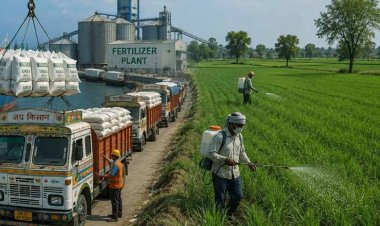
The Gulf conflict has disrupted global fertilizer and gas supplies, driving up prices and exposing India's heavy dependence on imports. With rising subsidy costs and supply concerns, the crisis highlights the urgent need for a long-term strategy focused on domestic production, balanced fertilizer use, research, and reducing import dependence.

 Join the RuralVoice whatsapp group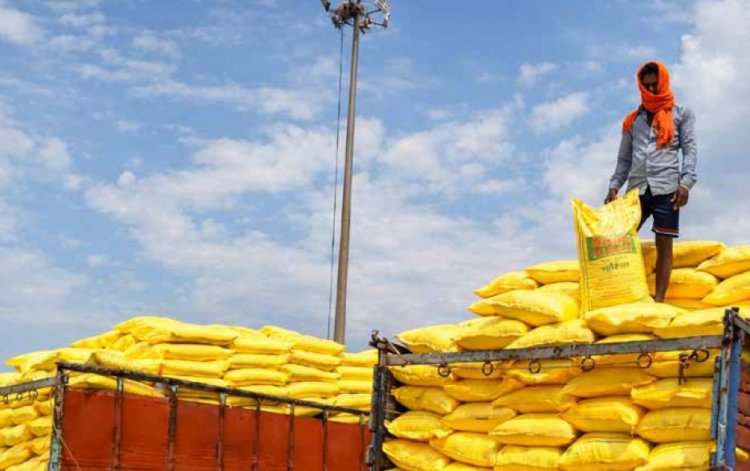
When Finance Minister Nirmala Sitharaman presented the Union Budget for FY 2026-27, she could not have anticipated the fertilizer crisis that would emerge soon. That is why she reduced fertilizer subsidy allocations and the Budget did not include the ICAR proposal to gradually reduce fertilizer imports through greater use of domestic alternatives. However, the Gulf conflict that began on February 28 following US and Israeli attacks on Iran has created major challenges for fertilizer supplies and agriculture worldwide.
Iran’s retaliatory strikes affected Qatar, the UAE, Oman, and Saudi Arabia, all key players in global gas and fertilizer production. The most serious disruption came through the Strait of Hormuz, which handles nearly 25 percent of global gas and fertilizer trade. India imports a large share of its fertilizers, natural gas, and crude oil from these Gulf countries, making it particularly vulnerable.
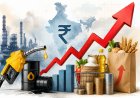
Since the conflict began, fertilizer prices have surged. Urea prices more than doubled, DAP prices have risen by nearly 40 percent. Prices of other fertilizers and raw materials have also increased sharply, accompanied by supply shortages. Natural gas prices have climbed by 55-60 percent. India imports about 50 percent of its LNG, with Qatar as the largest supplier.
More than two dozen ships carrying fertilizers to India were stranded in the Strait of Hormuz. As the conflict remained unresolved, concerns over fertilizer availability and prices intensified among farmers and policymakers. Any serious disruption could adversely affect production during the current kharif season.
According to information available with Rural World (sister organisation on Rural voice), the government has made substantial efforts to secure fertilizer and gas supplies through alternative sources, including imports at elevated prices. Urea contracts were concluded at prices as high as $959 per tonne, while DAP was purchased at up to $930 per tonne. Although buyer resistance has softened prices somewhat, market conditions remain difficult.
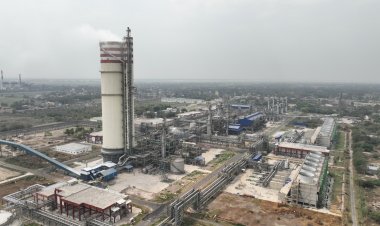
At one point, capacity utilization at India’s urea plants fell to nearly 70 percent. Conditions later improved, allowing monthly urea production to recover to around 1.8 million tonnes. The crisis is global. Production has been halted at around 49 fertilizer plants worldwide, affecting supplies. While gas shortages have constrained urea production, reduced availability of sulfuric acid, sulfur, phosphoric acid, and ammonia has also disrupted the production of DAP and other NPK fertilizers.
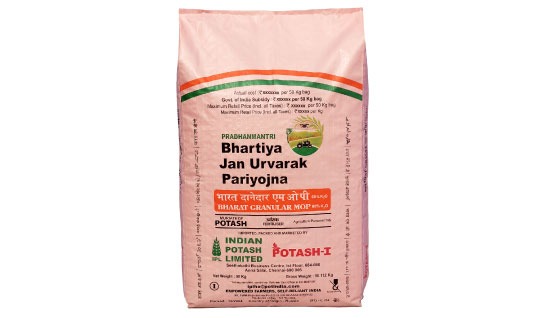
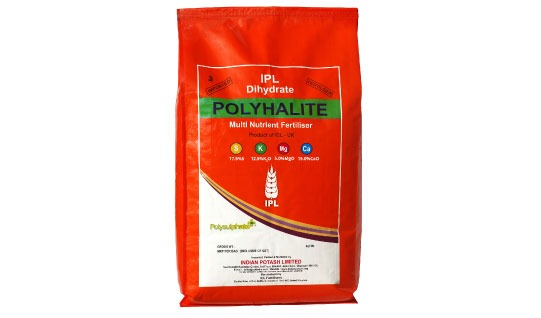
India consumes around 40 million tonnes of urea annually, of which nearly 10 million tonnes are imported. Similarly, more than half of the country’s roughly 10 million tonnes of annual DAP consumption comes from imports. Even the 40-45 percent of DAP produced domestically depends heavily on imported raw materials such as rock phosphate, sulfuric acid, phosphoric acid, and ammonia. The situation is similar for various grades of complex NPK fertilizers.
This unexpected crisis has increased anxiety among farmers. In several states, including Uttar Pradesh, farmers are struggling to get adequate supplies of urea and DAP. The government, meanwhile, faces growing fiscal pressure. India’s fertilizer and fertilizer raw material import bill could exceed the record $33 billion reached in 2022-23. Fertilizer subsidies may also rise sharply, with some experts estimating they could surpass Rs 3.5 lakh crore.
Although the government is trying to manage the situation, no clear long-term strategy has yet emerged. Prime Minister Narendra Modi has called for reducing dependence on chemical fertilizers and promoting natural farming. Economists have advocated transferring fertilizer subsidies directly to farmers through Direct Benefit Transfer (DBT), a proposal also supported by fertilizer companies.
Work is underway on a national framework linking subsidized fertilizer sales to Farmer IDs and ensuring crop-wise distribution. Pilot projects are currently underway in Haryana and Madhya Pradesh. Even the government does not seem to have a clear strategy for reducing fertilizer consumption. The concern is that lower fertilizer use could reduce agricultural output. The Agriculture Ministry has launched the “Khet Bachao Abhiyan”, while government agencies are focusing on improving soil health. Agricultural scientists are being sent to the field to educate farmers on balanced fertilizer use.
For now, the priority is to prevent a sharp rise in subsidy expenditure and avoid a fertilizer availability crisis. The possibility of below-normal monsoon rainfall due to El Niño may moderate fertilizer demand during the current kharif season. Efforts are also being made to ensure better fertilizer availability for the upcoming rabi season, when several major crops are sown. This assumes added significance as elections are scheduled in Uttar Pradesh and several other states thereafter.
The productivity of many Indian crops remains lower than that of China, the United States, and several European countries. Chemical fertilizers will therefore continue to play an important role, though their imbalanced use must be corrected. The greater challenge is reducing import dependence by making better use of domestic resources. Research and innovation, both in India and abroad, can help achieve this goal. Through scientific and policy interventions, fertilizer imports could potentially be reduced by 30-40 percent.
To achieve this, India must promote alternatives to conventional chemical fertilizers and formulate a comprehensive long-term fertilizer policy. The ongoing Gulf conflict has delivered an important lesson. It is not merely a geopolitical crisis but also an opportunity for India to take serious steps toward fertilizer self-reliance.