
Global Food Prices Stable as Cereal Output Set to Ease from 2025 Record Amid El Niño Risks: FAO
FAO reported that global food prices were broadly stable in June 2026 as gains in vegetable oils and meat offset declines in cereals, sugar and dairy. Meanwhile, global cereal production is forecast to slip 1.9% from 2025's record, with El Niño threatening wheat output despite improved maize production prospects worldwide.

 Join the RuralVoice whatsapp group
Global food prices remained largely unchanged in June 2026, even as the outlook for global cereal production weakened slightly due to mounting El Niño-related concerns, according to two latest assessments released by the Food and Agriculture Organization (FAO).
The FAO Food Price Index (FFPI) averaged 130.3 points in June, down marginally by 0.3% from May. Higher prices for vegetable oils and meat were offset by declines in cereals, sugar and dairy products. Compared with June 2025, the index was still 1.7% higher but remained nearly 19% below its record peak reached in March 2022.
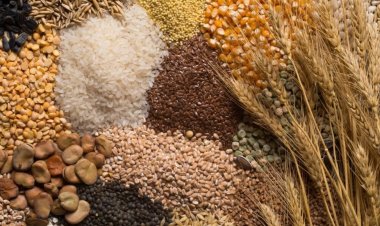
The agency also maintained its forecast for global cereal production in 2026 at 2.983 billion tonnes, about 1.9% lower than the all-time record harvested in 2025. While this would mark a decline from last year, it would still be the second-largest cereal harvest on record.
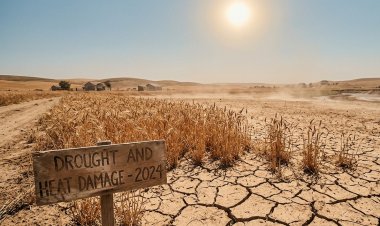
Global wheat production is now projected at 806.5 million tonnes, down 4.3% from 2025, after FAO lowered its forecast due to weaker prospects in Australia. The agency said an increasing likelihood of El Niño-induced below-average rainfall and elevated production costs are expected to reduce both wheat acreage and yields despite recent rainfall in some regions.
By contrast, the outlook for maize improved, with higher production estimates in Argentina, Brazil, China and Zambia supported by favourable weather and above-average yields. These gains largely offset lower barley production forecasts in Argentina and the European Union.
Rice production prospects remained broadly unchanged at 552.5 million tonnes. Higher output expectations in Pakistan and Iraq, supported by improved irrigation water availability, were balanced by lower planting expectations in Colombia and Viet Nam.
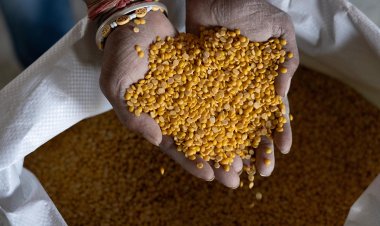
Reflecting improved supply prospects, the FAO Cereal Price Index declined by 3.5% in June. International wheat prices fell 4.4% as rapid harvest progress and abundant Black Sea supplies outweighed production concerns in the United States and Australia. Maize prices dropped 6.2% on expectations of ample South American supplies and weaker biofuel demand linked to lower crude oil prices.
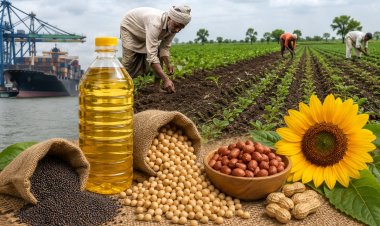
In contrast, the FAO Vegetable Oil Price Index rose 3.8% during the month, driven by stronger palm and rapeseed oil prices amid tighter export availability and firm biofuel demand. The Sugar Price Index fell 5.7% due to stronger sugar production and exports from Brazil.
Looking ahead, FAO expects global cereal utilization in 2026/27 to exceed the previous season, while world cereal stocks are forecast to rise modestly, keeping the global stock-to-use ratio at a comfortable 32%. However, the agency cautioned that El Niño developments will remain a key factor influencing global production and price trends in the months ahead.