
High Gas and Sulphur Prices Could Push Fertiliser Subsidy to Rs 3 Lakh Crore
India’s fertiliser subsidy could reach Rs 3 lakh crore in the current financial year as high gas, DAP and sulphur prices raise production and import costs. Expensive gas has pushed up domestic urea costs, while shortages of raw materials for DAP and NPK fertilisers could tighten supplies during the rabi season.

 Join the RuralVoice whatsapp group
A sharp rise in gas prices, along with persistently high global prices of DAP and sulphur, is set to put pressure on India’s fertiliser subsidy bill. The temporary relief from lower imported urea prices may also prove short-lived.
Imported urea prices, which had crossed $900 per tonne, have fallen to around $400 following China’s decision to reopen urea exports. However, there is little certainty that prices will remain at these levels throughout the year.
The bigger concern is gas. Before the Iran-US war, gas used for urea production cost around $15 per MMBtu. It has now risen to about $28. DAP prices have remained above $900 per tonne, while sulphur prices, despite falling by around $40, are still close to $900 per tonne. Sulphur availability also remains below normal.
Fertiliser industry sources told Rural Voice that the subsidy bill could rise to around Rs 3 lakh crore this financial year, with expensive gas being a major driver.
India consumes around 40 million tonnes of urea annually and imports about 10 million tonnes. Although imported urea is currently cheaper, the cost of domestically produced urea has risen above Rs 62,000 per tonne because of higher gas prices. With farmers already facing drought conditions in parts of the country, the government is unlikely to risk a significant increase in fertiliser prices. The pressure on the subsidy bill could therefore persist even after conditions in the Gulf return to normal.
Qatar has traditionally been India’s largest gas supplier. According to industry sources, however, damage to refineries and gas plants caused by attacks from Iran could take at least six years to restore these facilities to their pre-Gulf war condition.
India may therefore have to rely more heavily on alternative sources. The United States has emerged as a major beneficiary and is now one of India’s major gas suppliers.
The pressure is not limited to urea. Supplies of non-urea fertilisers are also likely to remain difficult during the rabi season.
High DAP prices could force the government to substantially increase support under the Nutrient Based Subsidy (NBS) scheme. Non-urea fertilisers are in the decontrolled category, allowing companies to set prices while the government provides a fixed subsidy. Companies can theoretically recover higher costs through higher prices.
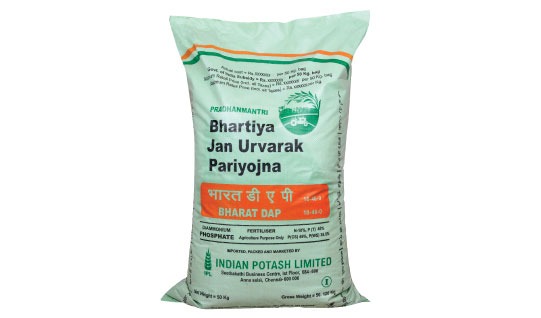
In practice, however, the government has kept DAP’s maximum retail price (MRP) indirectly capped at Rs 1,350 per 50-kg bag. Fertiliser companies are compensated for part of the additional cost through special incentives over and above the NBS subsidy. The NBS subsidy rates for the coming rabi season have not yet been finalised.
Prices of other NBS fertilisers have also increased. Several NPK variants are selling at up to Rs 2,400 per bag, creating an imbalance in fertiliser sales. Industry sources say sulphur shortages are also disrupting NPK production.
The supply problem is particularly significant because OCP of Morocco, the world’s largest DAP producer, is buying a large share of the sulphur available in the global market.
Sulphur is a by-product of petroleum refining, making refinery disruptions a direct threat to its availability. Attacks on refineries in the Gulf have severely affected supplies. At the same time, Ukrainian attacks have caused extensive damage to Russian refineries, virtually halting sulphur supplies from Russia. The disruption is being felt across DAP, NPK and SSP fertilisers.
Domestic DAP and complex fertiliser plants are also operating below capacity because of shortages of raw materials. Production has yet to return to normal levels.
The combined impact of higher gas and fertiliser prices could significantly widen the gap between the government’s budget allocation and the actual subsidy requirement.
The Union Budget for 2026-27 has allocated Rs 1,70,781 crore for fertiliser subsidies, compared with a revised estimate of Rs 1,86,460 crore for the previous financial year. Industry sources, however, estimate that the bill could reach Rs 3 lakh crore this year.
The risk is not confined to current prices. If China makes any changes to its urea export policy, global urea prices could rise sharply again and potentially reach $600 per tonne. China has periodically altered its export policy when its domestic surplus declines. Fertiliser industry sources therefore expect volatility in fertiliser and gas prices to continue over the next few months.
The government will now have to ensure adequate fertiliser supplies during the rabi season to prevent a further impact on agricultural production following weak kharif output caused by deficient rainfall. Fertiliser consumption has already declined during the kharif season due to lower rainfall, which could provide some cushion for fertiliser availability during the rabi season.
At the same time, assembly elections are due early next year in politically important states such as Uttar Pradesh and Punjab. Against this backdrop, any increase in fertiliser prices would be politically risky for the government, making it less likely to raise prices.