
Why India Withdraws Bid to Host COP33 Climate Summit in 2028?
India has withdrawn its bid to host COP33 in 2028, citing a review of national commitments. The surprise decision reflects a strategic shift in India's climate diplomacy, balancing domestic priorities and geopolitical realities.

 Join the RuralVoice whatsapp group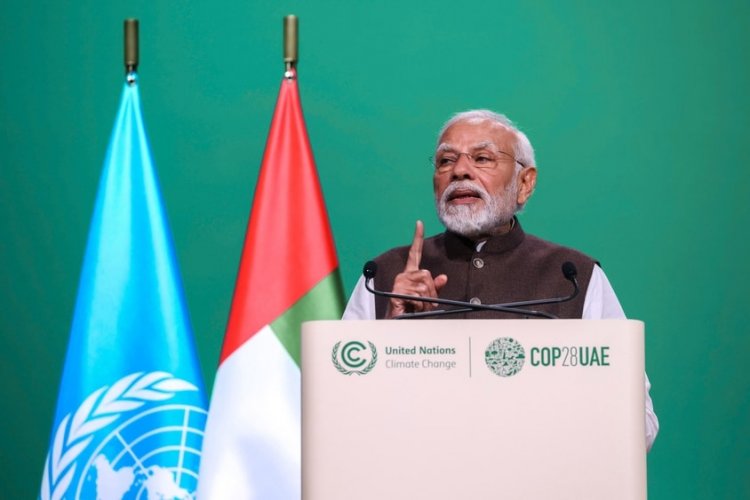
Reasons Behind the Withdrawal
Review of National Commitments
According to official communication, the decision followed a review of India’s commitments for 2028. The government reiterated that it would continue to engage constructively in global climate action but offered no detailed public explanation.
Balancing Domestic Priorities
Sources familiar with the deliberations point to multiple considerations. Hosting a COP summit involves massive financial, administrative, and diplomatic responsibilities.
COP33, which is expected to include the second Global Stocktake under the Paris Agreement, would have required India to play a central role in negotiating consensus among nations amid increasingly complex global divisions.
As host, India would also be expected to push ambitious climate outcomes, which could conflict with its long-standing positions on climate finance, equity, and the pace of energy transition.
Global Geopolitical Context
Global uncertainties, including conflicts and energy security concerns, have made countries more cautious in committing to leadership roles in climate negotiations. Lower political participation at recent COPs has also raised questions about the effectiveness of such platforms in the current geopolitical climate. The US withdrawal from the Paris Agreement in 2025 added to the subdued global climate momentum.
Shift in Climate Diplomacy
The decision represents a notable shift in India’s climate diplomacy. Analysts point to a broader shift in India’s foreign policy priorities, with greater emphasis on regional stability and ongoing geopolitical engagements rather than hosting large global events.
Climate experts have described the move as a “strategic missed opportunity,” as hosting COP33 would have allowed India to showcase its renewable energy progress and amplify the voice of the Global South.
Elections in 2029
The timing of the summit, just a year before India’s 2029 general elections, may also have influenced the decision. Organizing a two-week global event involving nearly 200 countries and tens of thousands of delegates would have posed significant logistical challenges.
Implications and Reactions
Hosting a COP summit is widely seen as a prestigious opportunity to highlight national achievements and push for equitable climate action. India’s withdrawal leaves the Asia-Pacific group without a confirmed host for COP33.
Reacting to the development, Congress leader and former Union Environment Minister Jairam Ramesh expressed surprise on social media, observing that the hosting bid had been high on the Prime Minister’s agenda.
“No reasons have been given for this sudden decision. But it does reflect on the Modi Govt’s true commitment to the 2015 Paris Agreement both in letter and spirit. It also calls into question the Modi Govt’s true commitment to take on more ambitious carbon mitigation goals in the short and medium term,” Ramesh stated.
The withdrawal leaves the Asia-Pacific Group without a confirmed host for COP33, which is set to follow COP32 in Ethiopia. South Korea has shown informal interest but has not submitted a formal bid, citing its own G20 hosting commitments in the same year.