
Urea Hits $800/tonne; Fertilizer Imports May Take Two Months to Normalise Despite Ceasefire
Global tensions have disrupted fertilizer supplies, pushing urea prices to $800 per tonne. Despite the reopening of the Strait of Hormuz, imports may take up to two months to stabilise. India currently has adequate stocks, but rising Kharif demand could increase subsidy burden and pose supply challenges in the coming months.

 Join the RuralVoice whatsapp group
The more than five weeks conflict involving US and Israeli strikes on Iran has disrupted global fertilizer supply chains, triggering sharp price increases and tightening availability. Although a two-week ceasefire from April 7 and the reopening of the Strait of Hormuz have eased immediate concerns, the market remains under pressure.
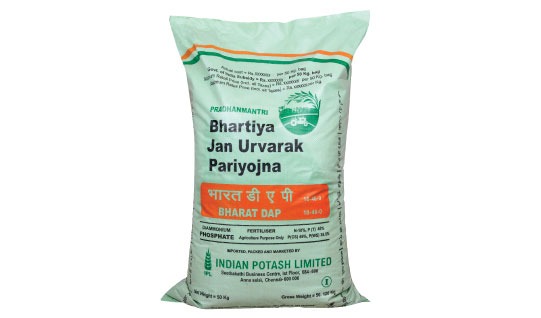
Global urea prices have surged to around $800 per tonne on a free-on-board (FOB) basis, excluding freight and insurance, more than doubling from pre-conflict levels. Including logistics, import costs could climb close to $900 per tonne. Meanwhile, supplies of di-ammonium phosphate (DAP), the second-most consumed fertilizer, remain constrained, with price trends expected to become clearer in the coming weeks.
For India, rising global prices translate into higher subsidy requirements if retail prices for farmers are to remain unchanged. The Union Cabinet has already raised the Kharif subsidy under the Nutrient Based Subsidy (NBS) scheme to Rs 41,534 crore, but further increases may be necessary if elevated prices persist.
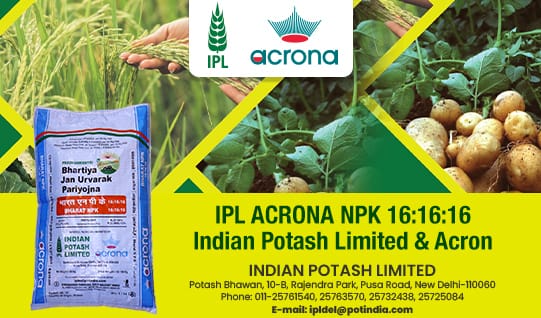
Industry sources indicate that while the reopening of the Strait of Hormuz will help release stranded shipments, it could take at least two months for imports under fresh contracts to stabilise. Nearly 2,000 vessels were delayed in the region, including three ships of Indian Potash Limited (IPL) carrying about 150,000 tonnes of urea. Additional shipments from suppliers in Saudi Arabia and Qatar have also been impacted.
Availability of fertilizers is better as of now
Despite global disruptions, India currently holds comfortable fertilizer stocks. As of March 31, 2026, urea stocks stood at 6.2 million tonnes, DAP at 2.3 million tonnes, and complex fertilizers (NPK) at 5.7 million tonnes. Stocks of MOP and SSP were 1.3 million tonnes and 2.5 million tonnes, respectively, taking total availability to around 18 million tonnes at the start of April.
Kharif season demand is estimated at around 39 million tonnes, with urea accounting for the largest share. Industry officials note that the gap between Rabi and Kharif seasons has provided a buffer, with peak urea demand expected from June. If imports improve in time, supply disruptions for farmers may be avoided.
However, according to the industry, domestic urea production has declined due to the disruption of gas imports due to the war. Some plants are operating at 70% capacity, while very few are operating at 100% capacity. Gas prices have also risen by more than 50%. Import options have also decreased, as the situation will take time to improve due to Iran's attacks on Gulf countries.
Urea imports are possible from Oman, where the largest capacity of 2 million tons per annum is at the OMIFFCO plant, where Indian cooperatives IFFCO and KRIBHCO are partners with the government. However, this fertilizer will be available at international market prices. Russia, another major source, is not currently exporting, and imports from there take approximately 50 days.
Given the surplus production in countries like Vietnam and Indonesia, India is trying to import from there. A senior official of a major fertilizer company told RuralVoice that the government has told companies to import fertilizer at whatever price is available. In such a situation, the possibility of high-priced deals for gas and fertilizers is also being considered.
Subsidy Amounts May Need to Be Increased
The government faces a price challenge: if it maintains stable selling prices for DAP and urea for farmers, the subsidy for both urea and complex fertilizers will have to be significantly increased compared to the budgeted provision.
Current stock of DAP is approximately 2.3 million tons, but annual consumption is approximately 10 million tons. Considering Kharif consumption of this amount to 5 million tons, meeting Kharif needs will be a challenging task. According to industry sources, China, a major fertilizer exporter in the world, has suspended urea and DAP exports. Tenders issued by India in January received no bids. This week, IPL again issued a tender for the import of 2.5 million tons of urea.
Before the war, companies imported urea for around $450 per tonne, but now the price is $750 to $800 per tonne, and that too on FOB basis. This means that import costs could go up to $900 per tonne. On the other hand, global availability of DAP appears to be limited, and its price will likely be higher than urea. In fact, other countries besides India are also importers of fertilizers. However, most countries do not provide heavy subsidies on fertilizers like India. The FAO has also spoken of a fertilizer crisis. Consequently, this crisis is bound to impact food production and prices globally.