
Amazon Partners With Bayer-Backed Good Rice Alliance to Purchase Carbon Credits From Indian Rice Farmers
Amazon to offtake methane-reducing carbon credits generated by smallholder rice farmers in India under The Good Rice Alliance, which partners with over 13,000 farmers across 35,000 hectares to reduce methane emissions.
 Join the RuralVoice whatsapp group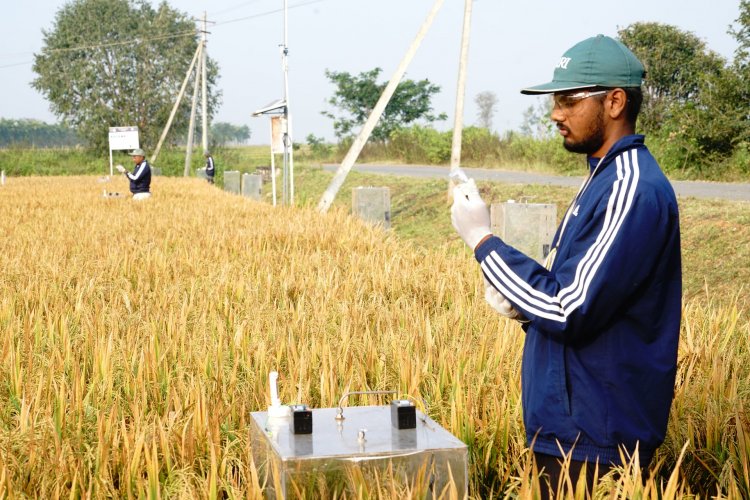
American e-commerce firm Amazon has signed a $30 million agreement with the Good Rice Alliance, backed by Bayer, to purchase carbon credits generated by Indian rice farmers.
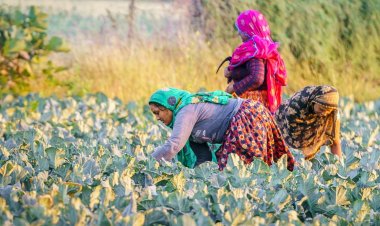
The Good Rice Alliance (TGRA), a company owned by Bayer, announced that it has entered into a long-term offtake agreement with Amazon to supply high-integrity carbon credits generated from methane emission reductions in rice cultivation across India. The collaboration marks a significant step toward scaling climate solutions in agriculture while supporting smallholder farmers.
“Amazon is collaborating with TGRA as the primary buyer for the project, with its commitment covering more than 685,000 metric tonnes of CO2 equivalent carbon credits during the initial crediting phase,” a Bayer press release stated.
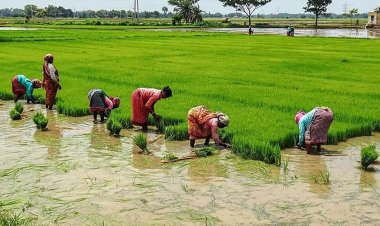
Reports indicate the agreement is valued at approximately $30 million. The credits are generated through improved water management practices such as Alternate Wetting and Drying (AWD) and Direct Seeded Rice (DSR), which reduce methane emissions from flooded paddy fields.
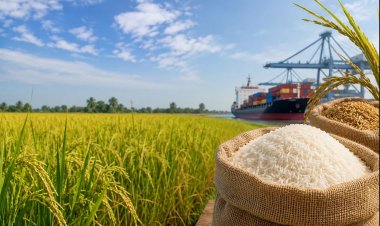
Conventional rice cultivation, which involves flooding paddy fields, accounts for 8–10 per cent of global methane emissions, making it the second-largest source of agricultural methane emissions globally, after livestock. India, which has the largest area under rice cultivation and supports over 100 million livelihoods, is also the third-largest methane emitter.
Programme Reaches Thousands of Farmers
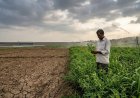
TGRA currently works with more than 13,000 smallholder farmers across multiple states, covering over 35,000 hectares. The programme provides agronomic training, financial incentives, and field-level support to enable the adoption of sustainable practices. These interventions not only reduce emissions but also improve yields, lower input costs, and enhance resilience to climate stress.
Suhas Joshi, Director on Board at TGRA and Carbon Initiative Lead at Bayer South Asia, said the agreement reflects growing demand for credible methane mitigation solutions. He emphasised that the initiative prioritises verifiable climate outcomes while ensuring farmers benefit directly from the value created.
Monitoring and Verification Framework
The programme relies on a science-led Measurement, Reporting and Verification (MRV) framework. Emissions are quantified through direct field measurements in collaboration with the International Rice Research Institute, supported by digital monitoring tools and third-party verification under Verra’s Verified Carbon Standard, using the VM0051 methodology to improve rice management.
Michelle Jolly, Director of Sustainability Solutions and Services at Amazon, said, “Methane is a super pollutant that demands our attention now, and agriculture represents a critical opportunity to reduce emissions.” She added that the partnership demonstrates the company’s commitment to high-quality carbon credits backed by auditable field data, remote sensing validation, and scientific modelling.
Water Savings and Climate Co-Benefits
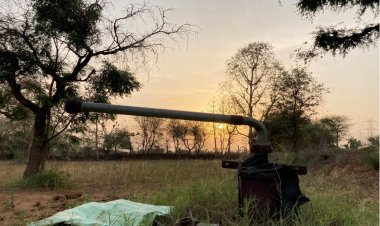
Beyond emissions reduction, improved irrigation practices under the programme can reduce water use by up to 30 per cent. The initiative builds on earlier pilot work by Bayer, GenZero, and Shell Nature-Based Solutions, which helped establish the technical and operational framework for large-scale methane mitigation in rice farming.
The Good Rice Alliance said such partnerships will be crucial in scaling science-based agricultural solutions that deliver both climate benefits and improved livelihoods for farmers. Participation by GenZero and Shell in the long-term programme remains subject to applicable regulatory approvals.