
Chhattisgarh Approves Compressed Biogas Policy 2026 to Promote Bio-Energy Sector
The Chhattisgarh Cabinet has approved the CG-CBG Policy 2026 to promote compressed biogas production from agricultural residue, cattle dung and organic waste. The policy aims to support renewable energy generation, improve waste management, attract investment in the bio-energy sector, and create income and employment opportunities in rural areas.

 Join the RuralVoice whatsapp group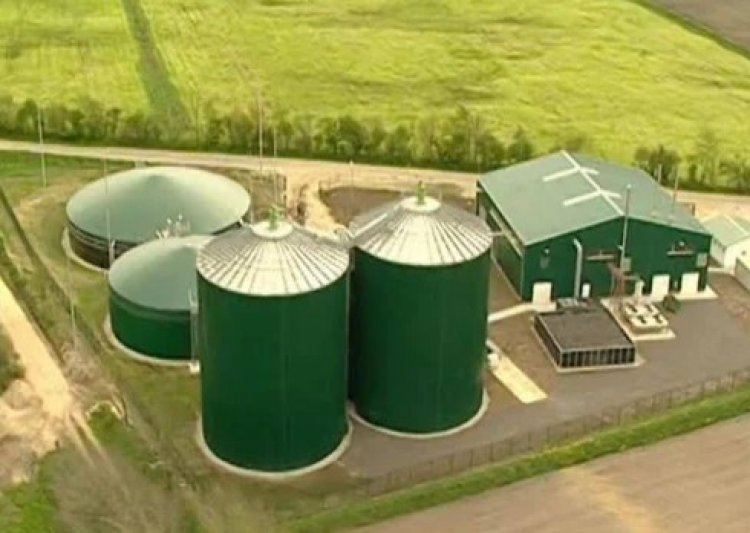
The Chhattisgarh Cabinet has approved the Chhattisgarh Compressed Biogas (CG-CBG) Policy 2026, aimed at promoting the production of compressed biogas from agricultural residue, cattle dung and other organic waste materials. The decision was taken at a cabinet meeting chaired by Chief Minister Vishnu Deo Sai on June 23.
According to the state government, the policy seeks to encourage the scientific utilisation of agricultural residue, animal waste, municipal organic waste and other biodegradable resources for the production of compressed biogas (CBG). The government said the initiative is intended to support waste management, renewable energy generation and the development of a circular economy.
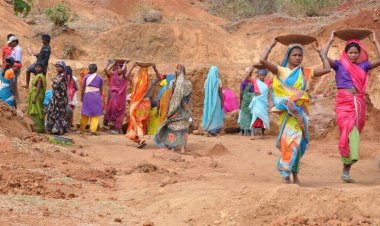
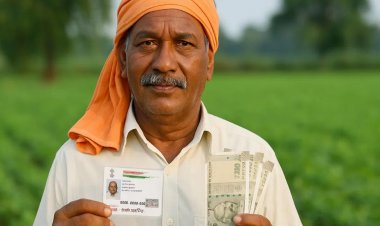
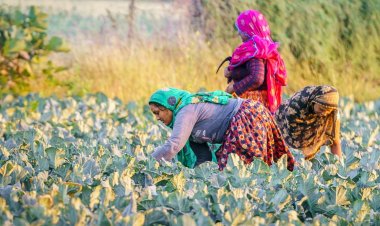
Chief Minister Vishnu Deo Sai said the policy could create additional income opportunities for farmers and cattle rearers by enabling the sale of agricultural residue and organic waste. He also said the initiative is expected to generate employment and entrepreneurship opportunities in rural areas through the establishment and operation of CBG plants.
The state government estimates that Chhattisgarh has the potential to produce around 5 lakh tonnes of compressed biogas annually through the utilisation of available biomass and organic waste resources. Officials said the policy is expected to encourage investment in the bio-energy sector and support industrial development linked to renewable energy.
Under the policy, farmers may benefit from a market for crop residue and other agricultural waste materials that are often not commercially utilised. The government also expects the development of CBG projects to create jobs and economic activity in rural areas.
The policy aims to address challenges related to agricultural and organic waste disposal while promoting the use of compressed biogas as an alternative fuel. Increased adoption of CBG could help reduce dependence on conventional fossil fuels and support cleaner energy use.
Officials said the policy is aligned with the Government of India's Sustainable Alternative Towards Affordable Transportation (SATAT) initiative, which promotes compressed biogas as a transportation fuel.
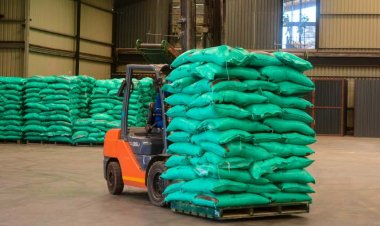
To encourage investment, the policy includes provisions for capital support, interest subsidies, infrastructure assistance and facilitation in obtaining statutory approvals. These measures are intended to support investors and developers interested in setting up CBG projects in the state.
The Chhattisgarh Biofuel Development Authority (CBDA) has been designated as the nodal agency for implementation of the policy. The authority will coordinate with industries, investors, government departments and other stakeholders for execution of the programme.
The state government expects the policy to contribute to the development of the bio-energy sector while supporting rural livelihoods and renewable energy production in Chhattisgarh.