
US, Iran Agree on Framework Deal to End War; Trump Announces Reopening of Strait of Hormuz
The United States and Iran have agreed to a framework deal aimed at ending months of conflict, with a formal peace agreement expected to be signed in Switzerland on June 19. The accord includes a 60-day ceasefire extension, the reopening of the Strait of Hormuz, and the launch of negotiations on Iran's nuclear program, sanctions relief, and regional security issues.

 Join the RuralVoice whatsapp group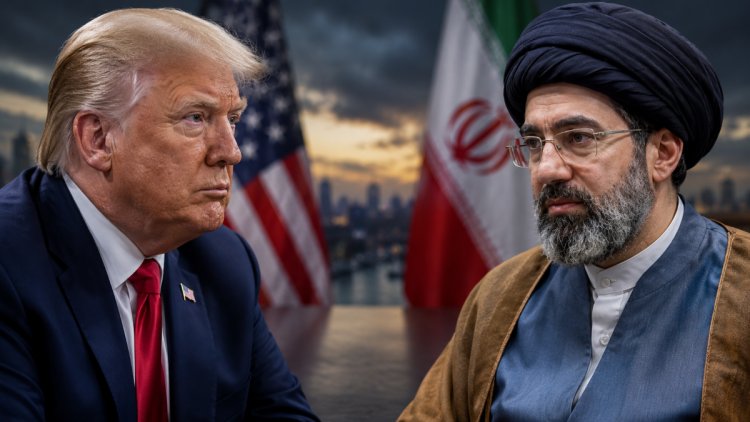
The United States and Iran have reached a framework agreement aimed at ending months of conflict, with mediators confirming that a formal peace accord is expected to be signed in Switzerland on June 19.
The breakthrough was announced by Pakistan, which has played a key mediating role in negotiations between Washington and Tehran. Pakistan's Prime Minister Shehbaz Sharif said the agreement provides for the “immediate and permanent termination of military operations on all fronts, including in Lebanon.”
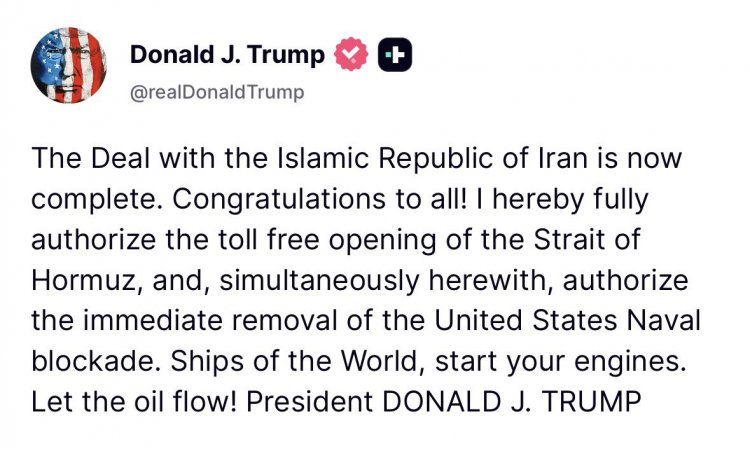
US President Donald Trump hailed the development as a major diplomatic achievement, declaring on his Truth Social platform that “The Deal with the Islamic Republic of Iran is now complete.”
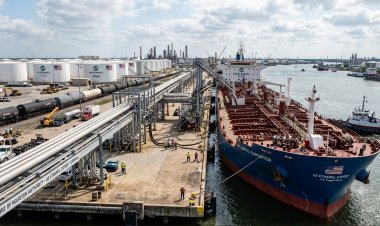
As part of the agreement, Trump announced the reopening of the strategically vital Strait of Hormuz and the removal of the US naval blockade of Iranian ports.
Global oil prices declined sharply following the announcement as markets responded positively to the prospect of restored energy flows through one of the world's most important shipping routes.
Ceasefire Extension at the Core
According to officials familiar with the negotiations, the immediate priority of the agreement is to extend the ceasefire reached on April 8 by another 60 days. During this period, both sides have pledged to refrain from hostilities while engaging in intensive diplomatic talks.
The ceasefire extension is expected to include the lifting of the US blockade of Iranian ports in exchange for Iran relinquishing its control over shipping disruptions in the Strait of Hormuz.
Iran's Deputy Foreign Minister Kazem Gharibabadi confirmed on state television that an agreement had been finalized and that an official signing ceremony would take place in Switzerland later this week.
“An immediate and permanent end to the war and military operations on different fronts, including Lebanon, will be announced,” Gharibabadi said.
He revealed that Qatari mediators had spent nearly 14 to 15 hours in intensive discussions in Tehran to finalize the draft memorandum of understanding.
“The Islamic Republic of Iran presented its final amendments to the text, and those amendments were accepted,” he said.
War Began in February
The conflict began on February 28 when US and Israeli forces launched coordinated strikes across Iran targeting military and nuclear-related facilities. Iran responded with missile and drone attacks against Israel and US-aligned states in the Gulf, raising fears of a wider regional war.
Since then, tensions have repeatedly threatened global energy supplies and disrupted shipping through the Strait of Hormuz, through which nearly one-fifth of the world's oil trade passes.
Key Issues Remain Unresolved
Despite the breakthrough, significant challenges remain before a comprehensive peace settlement can be achieved.
The 60-day negotiation period is expected to focus heavily on Iran's nuclear program, sanctions relief, and the release of frozen Iranian assets.
For Washington, a long-term and verifiable restriction on Iran's uranium enrichment activities remains a central objective. Tehran, meanwhile, is seeking comprehensive sanctions relief and access to tens of billions of dollars in frozen oil revenues.
Analysts note that while the framework agreement creates space for diplomacy, it does not yet resolve the fundamental disputes that triggered the conflict.
Questions also remain regarding the exact status of the Strait of Hormuz, the sequencing of sanctions relief, and the future of Iran's regional allies.
Israel, which participated in the initial military campaign against Iran, has not yet publicly commented on the agreement.
International Leaders Welcome Deal
The announcement has drawn widespread international support.
United Nations Secretary-General António Guterres described the agreement as “a critical step towards the peaceful settlement of the conflict.”
Japanese Prime Minister Sanae Takaichi expressed hope that free and safe navigation through the Strait of Hormuz would be restored and that a final agreement on Iran's nuclear program would be reached soon.
Australian Prime Minister Anthony Albanese said the deal could pave the way for “durable and lasting peace,” while New Zealand Foreign Minister Winston Peters called it a “pivotal, constructive deal” that could help stabilise a region critical to global economic security.