
Scientists Identify Ideal Temperature to Keep Mangoes Fresh for Longer
Researchers from Hainan University found that storing mangoes at 12°C significantly slows ripening, reduces moisture loss, and preserves fruit quality by boosting antioxidant defenses. The findings could improve mango storage, reduce spoilage, and strengthen cold-chain transportation systems for tropical fruits worldwide.

 Join the RuralVoice whatsapp group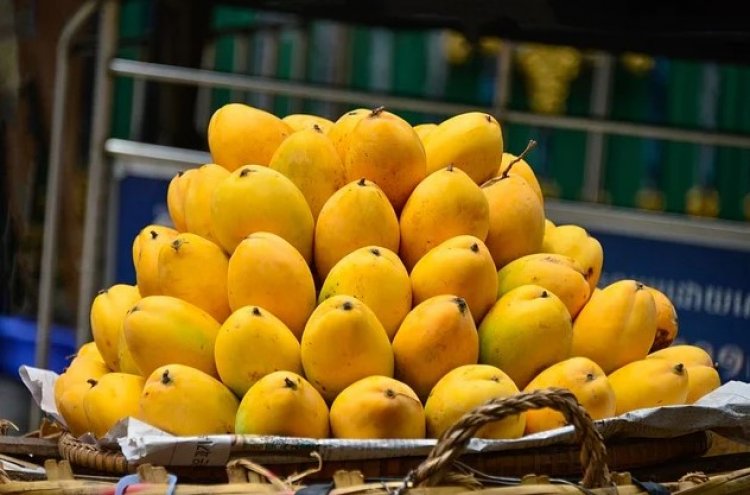
Mangoes, one of the world’s most loved tropical fruits, are highly valued for their sweetness, flavor, and nutritional benefits. However, once harvested, they ripen rapidly, making them vulnerable to softening, moisture loss, and spoilage during storage and transportation.
Now, researchers from Hainan University have identified why storing mangoes at 12°C (54°F) significantly extends their shelf life without causing chilling injury. The study, published in Tropical Plants, shows that cooler storage slows ripening, preserves fruit texture, and strengthens the fruit’s natural antioxidant defense system.
The findings could help improve cold-chain logistics for tropical fruits, reduce post-harvest losses, and support longer-distance transportation of mangoes.
How Temperature Affects Mango Ripening
In many tropical countries, mangoes are commonly transported at temperatures ranging between 26°C and 30°C. While practical, these warmer conditions accelerate ripening, causing the fruit to soften and deteriorate quickly.
Although scientists have known that lower temperatures can slow ripening, tropical fruits are highly sensitive to chilling damage when stored too cold. Earlier studies suggested that 12°C was suitable for preserving ‘Tainong No.1’ mangoes, but the biological mechanisms behind this effect remained unclear.
To better understand the process, researchers compared mangoes stored at 12°C with those kept at 30°C over a 24-day period.
Key Findings of the Study
The research team evaluated several quality indicators, including fruit color, firmness, weight loss, sugar content, acidity, respiration rate, and reactive oxygen species (ROS), which are linked to cellular damage.
During the first 12 days, mangoes stored under both temperatures appeared similar. However, after day 16, clear differences emerged.
Mangoes stored at 30°C ripened rapidly, turning yellow much faster, while fruit kept at 12°C retained its color due to slower chlorophyll breakdown. Sugar levels rose sharply in warmer conditions before declining, whereas cooler-stored mangoes showed a gradual and stable increase.
The study also found that acidity declined much faster at 30°C, while mangoes stored at 12°C retained better flavor balance. Weight loss exceeded 17% in warmer storage, compared to less than 4% in cooler conditions. Similarly, firmness was preserved far better at 12°C.
Microscopic analysis revealed that mangoes stored at 12°C maintained stronger cell walls and starch granules even after 24 days, while fruit stored at 30°C showed early cell wall damage and eventual cell collapse.
Stronger Antioxidant Protection
Researchers found that storage at 12°C reduced oxidative stress by lowering the buildup of reactive oxygen species and malondialdehyde (MDA), both linked to fruit deterioration.
At the same time, cooler temperatures helped preserve higher levels of vitamin C, phenolics, and flavonoids. Protective antioxidant enzymes remained active for longer periods, while genes associated with antioxidant defense systems showed increased activity. According to the researchers, these natural defense mechanisms help reduce cellular damage and delay spoilage during storage.
The study provides important guidance for mango growers, exporters, and cold-chain operators. Maintaining storage temperatures close to 12°C could allow mangoes to be transported over longer distances, harvested earlier, and delivered to markets with better quality and reduced waste.