
Fertiliser Subsidy to Hit Record Rs 2.76 Lakh Crore in FY27, ICRA Estimates
India's fertiliser subsidy requirement is projected to touch a record Rs 2.76 lakh crore in FY2027, Rs 1.05 lakh crore above the Budget estimate, according to ICRA. Higher global input costs, West Asia disruptions and elevated gas prices are squeezing industry margins, while weak monsoon conditions are affecting fertiliser sales and agricultural prospects.

 Join the RuralVoice whatsapp group
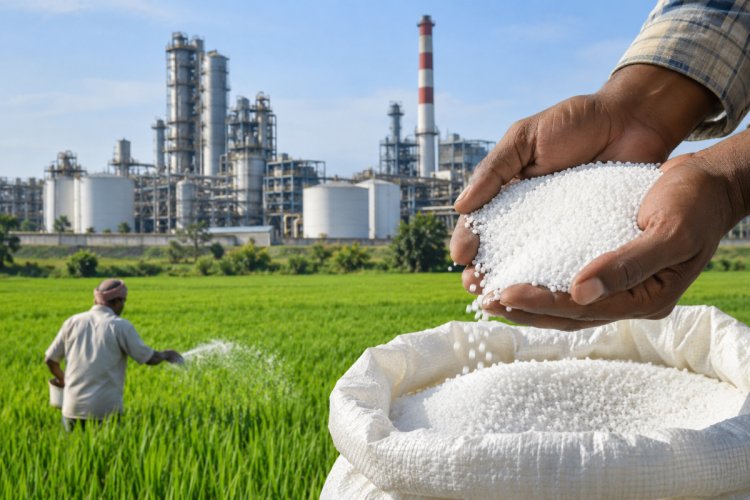
India’s fertiliser subsidy requirement is projected to reach an all-time high of Rs 2.76 lakh crore in FY2027, exceeding the Budget allocation by Rs 1.05 lakh crore, as elevated raw material prices in global markets, geopolitical disruptions and higher natural gas costs increase the government's expenditure, according to a November 2026 report by credit rating agency ICRA.
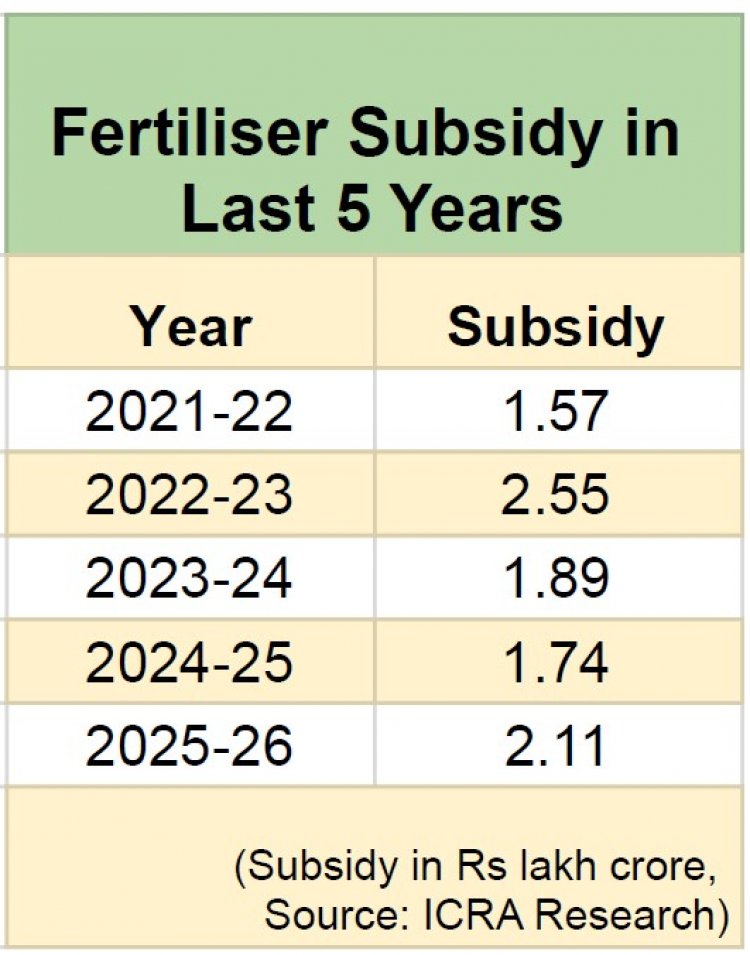
The estimated requirement is substantially higher than the Budget provision of Rs 1.71 lakh crore and also exceeds the previous peak of Rs 2.55 lakh crore recorded in FY2023 following the Russia-Ukraine war. ICRA expects the government to make additional budgetary allocations during the year to bridge the gap and ensure uninterrupted subsidy payments to fertiliser companies.
The increase in subsidy expenditure comes amid a sharp rise in the prices of ammonia, sulphur, phosphoric acid and other key inputs following the geopolitical crisis in West Asia, a major source of fertiliser raw materials.
Government Raises Nutrient-Based Subsidy Rates
To offset the impact of higher input costs, the government has substantially revised Nutrient-Based Subsidy (NBS) rates for the second half of FY2027. The subsidy on nitrogen has nearly doubled from Rs 47,320 per tonne in the first half to Rs 94,210 per tonne. The phosphorus subsidy has increased by 25%, from Rs 52,760 to Rs 66,110 per tonne, while the sulphur subsidy has more than tripled from Rs 3,160 to Rs 10,420 per tonne. The subsidy on potash remains unchanged at Rs 2,380 per tonne.
The government has also continued the additional special package of Rs 3,500 per tonne for diammonium phosphate (DAP). Besides, a 20% subsidy is being provided on the procurement of sulphur and sulphuric acid, subject to floor prices of $800 and approximately $267 per tonne, respectively.
ICRA expects the revised subsidy rates to improve the profitability of phosphate and potash (P&K) fertiliser manufacturers, particularly NPK producers, and provide some relief to farmers through more rational retail prices of certain NPK grades.
DAP Imports Continue to Remain Unviable
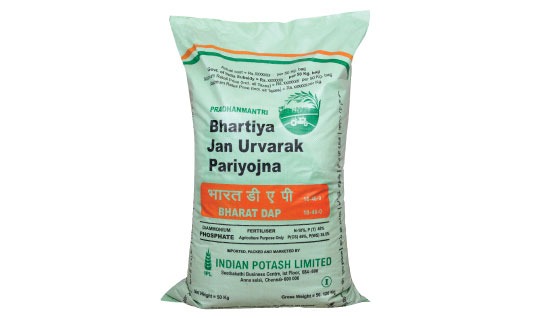
Despite higher subsidy support, DAP imports and domestic manufacturing continue to face profitability pressures. International DAP prices have climbed to $930-950 per tonne amid Chinese export restrictions and higher costs of ammonia, sulphur and phosphoric acid. In India, the retail price of DAP has remained around Rs 27,000 per tonne.
The subsidy for DAP imports has been increased to Rs 47,368 per tonne for H2 FY2027, including the additional package of Rs 3,500, against Rs 32,787 per tonne in H1. However, ICRA estimates that imports will continue to incur a loss of around Rs 11,432 per tonne at prevailing international prices.
The government is expected to continue providing additional compensation under the advantage/disadvantage scheme to help importers and domestic manufacturers achieve break-even levels and maintain adequate DAP availability.
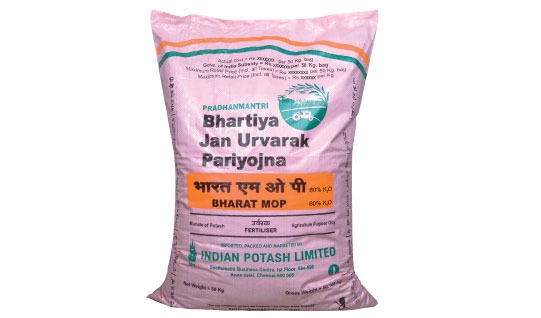
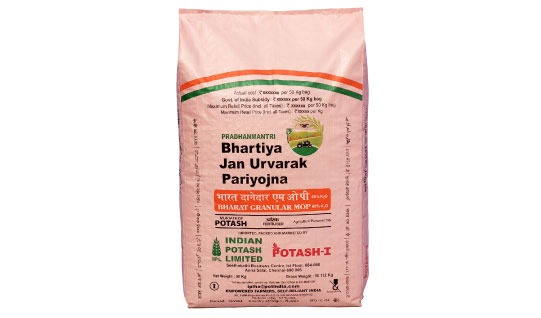
In contrast, Muriate of Potash (MOP) profitability remains relatively healthy, at approximately Rs 6,000 per tonne, supported by higher retail prices and an appreciating rupee.
Fertiliser Sales Decline 8.2% in First Half
Weak monsoon conditions, lower sowing and uneven availability of fertilisers affected sales during the first half of FY2027. Total fertiliser sales declined 8.2% year-on-year to 29.9 million tonnes during the April-September period.
NPK sales recorded the steepest fall of 22.2% to 6 million tonnes, followed by MOP, which declined 11.7% to 1 million tonnes. Urea sales fell 4.1% to 18.5 million tonnes, while DAP sales remained almost unchanged at 4.4 million tonnes. NPK demand was affected by substantial retail price increases, while DAP was available at comparatively lower prices and in better quantities than in previous years.
On the production front, total fertiliser output declined 7% to 23.5 million tonnes in H1 FY2027. NPK production fell 36% to 3.8 million tonnes, while urea production increased 4% to 15.1 million tonnes. DAP output remained unchanged at 2 million tonnes.
West Asia Disruption Increases Import Costs
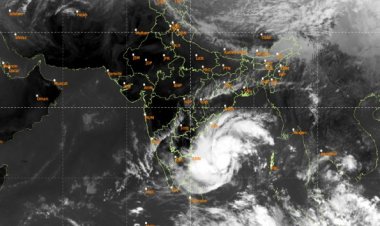
The disruption in West Asia has forced Indian manufacturers to diversify their sourcing towards alternative countries, including Russia, North Africa and other regions. However, procurement costs remain elevated.
India's dependence on West Asia is particularly high for ammonia, with 82% of imports coming from the region, and sulphur, at 78%. The region also accounts for 56% of DAP imports and 38% of urea imports.
Natural gas prices have remained elevated at $22-23 per million British thermal units (MMBtu), increasing production costs and subsidy requirements. However, gas availability for urea manufacturers has recovered to 100% of their requirements from around 70% earlier in FY2027.
Fertiliser Stocks Comfortable, Agricultural Outlook Weak
Despite supply disruptions, fertiliser inventories remained comfortable as of November 11, 2026, with stocks of all major fertilisers higher than a year earlier. India is nevertheless expected to remain dependent on imports to meet additional requirements, particularly for urea, DAP, ammonia and sulphur.
The report also highlights concerns over agricultural production. Kharif sowing stood at 111.5 million hectares as of October 2, down 1% from the previous year. Reservoir storage declined to 63% of full reservoir level on November 12, compared with 90% a year earlier and a historical average of 85%. Consequently, total rabi sowing was 11.3% lower year-on-year as of November 13, with wheat acreage declining 15.3% and pulses 14.3%.
ICRA estimates agricultural, forestry and fishing GVA growth to slow to around 0.2% in Q2 FY2027, compared with 3.6% in Q1. The combination of higher input costs, weak rainfall and declining reservoir levels could also affect agricultural output in the second half of FY2027.