ICAR-CIRG Launches Four Model Goat Villages to Boost Women-Led Goat Enterprises
ICAR-CIRG has announced four Model Goat Villages to promote scientifically managed, women-led goat enterprises. The initiative aims to improve rural livelihoods, entrepreneurship and market access through research, innovation and collaboration. The national workshop highlighted goat farming's growing role in empowering women, enhancing nutrition and creating sustainable rural income opportunities.
 Join the RuralVoice whatsapp group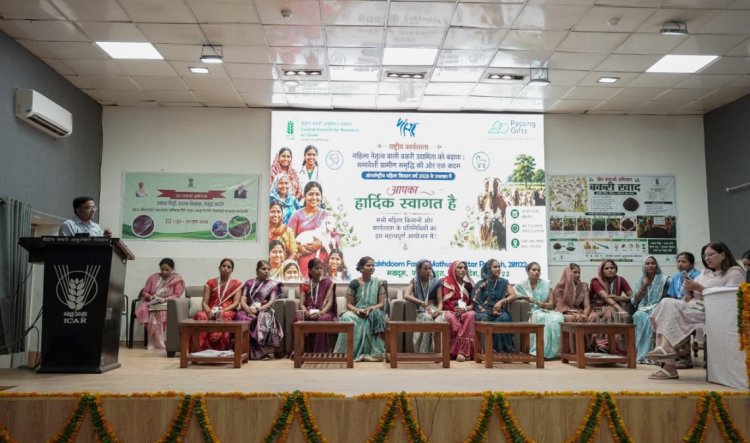
The ICAR-Central Institute for Research on Goats (ICAR-CIRG) has announced the establishment of four Model Goat Villages to promote scientifically managed, women-led goat enterprises, marking a significant step towards strengthening rural livelihoods and women's entrepreneurship.
The announcement was made during the National Workshop on "Empowering Women-Led Goat Enterprises," jointly organised by ICAR-CIRG and Passing Gifts, a subsidiary of Heifer International, in line with the International Year of Women Farmers. The event brought together over 150 women farmers, researchers, policymakers, development organizations, industry representatives and livestock experts from across the country.
Inaugurating the workshop, Dr. Abhijit Mitra, Vice Chancellor of DUVASU, emphasized the need for a scientific approach to goat farming and called for greater attention to goat enterprises as a driver of rural development. ICAR-CIRG Director Dr. Manish Kumar Chetli highlighted that India's goat sector supports nearly 32 million rural households and has a population of around 148 million goats, making it one of the country's largest livestock sectors.
Announcing the four Model Goat Villages, Dr. Chetli said scientific innovations, improved breeding, better animal health management and stronger market linkages are essential to transform goat rearing into a profitable and sustainable enterprise. He noted that the sector contributes significantly to rural incomes, nutrition and employment, particularly for women and smallholder farmers.
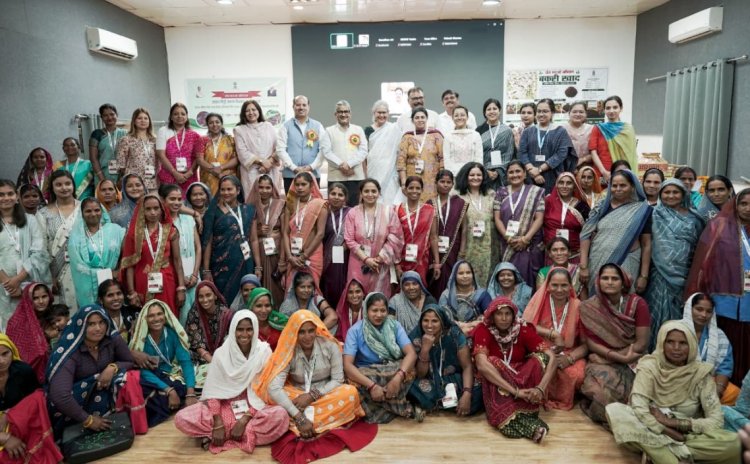
The workshop emphasised that goat farming has evolved beyond a traditional livelihood into a viable enterprise that promotes women's financial independence, nutrition security and rural entrepreneurship. Three panel discussions explored the role of science, successful women entrepreneurs and corporate social responsibility (CSR) in advancing the goat sector.
Women farmers from Uttar Pradesh, Rajasthan, Madhya Pradesh, Bihar, Odisha and Haryana shared their experiences, while Reena Devi from Bihar described how she expanded her goat herd from two to 23 animals through training and institutional support.
The workshop concluded with a commitment to strengthen collaboration in research, innovation, capacity building and market development, alongside discussions on creating a National Coalition for the Goat Sector under the Herding Hope platform.