
Global Food Prices Rise as Wheat, Oils and Sugar Gain on Weather and Geopolitical Risks
The FAO Food Price Index rose 0.6% in July 2026, driven by higher cereal, vegetable oil and sugar prices amid weather disruptions, energy market volatility and geopolitical tensions. Wheat prices jumped 5.8%, while vegetable oil prices reached their highest level since June 2022. Meat and dairy prices declined.
 Join the RuralVoice whatsapp group
Global food prices edged higher in July as rising wheat, vegetable oil and sugar prices outweighed declines in meat and dairy markets, with the Food and Agriculture Organization of the United Nations (FAO) pointing to weather disruptions, energy costs and geopolitical tensions as key drivers.
The FAO Food Price Index averaged 131.1 points in July 2026, increasing 0.7 points, or 0.6%, from June. The index was 1% higher than a year earlier but remained 18.2% below its record peak reached in March 2022.
The sharpest movement came in cereals, particularly wheat. The FAO Cereal Price Index rose 3.4% month-on-month to 113.8 points, putting it 6.9% above its level in July 2025.
Global wheat prices climbed 5.8% in July and were 9.9% higher than a year earlier. FAO attributed the increase to concerns over continued disruptions to grain exports through the Black Sea and damage to export infrastructure. These pressures were compounded by heatwaves affecting crop yields in several major producing countries.
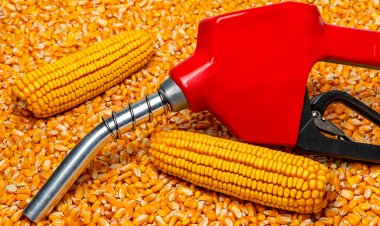
Maize prices also strengthened, rising 3.6% from June, amid concerns about hot and dry conditions in parts of the US Corn Belt. Firmer energy markets and heightened geopolitical tensions added further support. Sorghum prices followed maize higher, while barley prices fell 1.9% as favourable crop prospects in Australia and the Black Sea region outweighed heat-related losses in the European Union.
Rice prices, however, remained broadly stable. The FAO All Rice Price Index was little changed as a modest rise in Indica rice quotations was offset by lower prices for other major traded varieties amid weaker demand.
Vegetable oils recorded another significant increase. The FAO Vegetable Oil Price Index rose 2% to 195.7 points, its highest level since June 2022. Palm and soybean oil prices increased enough to offset declines in sunflower and rapeseed oil.
Palm oil prices rose for the second consecutive month, supported by strong demand from Indonesia's biodiesel sector and higher crude oil prices. Seasonal increases in Southeast Asian production limited the rise. Soybean oil prices were supported by strong feedstock demand in the United States and stronger global import demand.
Sunflower and rapeseed oil prices moved lower on expectations of larger supplies in the 2026/27 season. However, renewed tensions in the Black Sea region and concerns over export flows limited the decline.
Sugar prices also turned higher. The FAO Sugar Price Index increased 5.6% in July to 95 points, although it remained 8% below its level a year earlier.
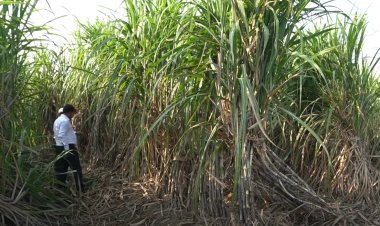
FAO linked the increase mainly to concerns over persistent hot and dry weather in the European Union and the potential impact of El Niño-related conditions on sugar production in major Asian producers. Expectations of stronger ethanol demand in Brazil also supported prices, as increased ethanol blending could divert more sugarcane towards fuel production and reduce sugar availability.
Improving harvesting conditions in Brazil's Center-South region, however, prevented a larger increase in global sugar prices.
In contrast, dairy prices continued to weaken. The FAO Dairy Price Index fell 0.7% in July, extending a decline that began in April. Lower butter and milk powder prices more than offset an increase in cheese prices.
Skim milk powder prices declined 3.3% amid ample export supplies from the European Union and Oceania, while whole milk powder prices fell 3.1% as subdued import demand, particularly from China, outweighed stronger purchases elsewhere. Butter prices dropped 2.4% as milk fat availability and export supplies improved.
The cheese price index, however, increased 1.7%, marking its first monthly rise since July 2025.
Overall, the July data indicate that global food markets remain sensitive to a combination of climate-related production risks, energy prices and geopolitical disruptions, particularly in key grain and vegetable oil trade corridors. While the overall food price index remains well below its 2022 peak, renewed pressure in cereals and oils could add to food inflation concerns in importing countries.