
High Sugar Prices in India Echo Global Surge as FAO Sugar Index Jumps 11.9% in August
Sugar prices are facing renewed pressure in India and global markets after FAO’s Sugar Price Index surged 11.9 percent in August, reaching its highest level since June 2025. Weather-related production risks, El Niño, lower Brazilian output and India’s duty-free raw sugar import decision have tightened the global outlook.

 Join the RuralVoice whatsapp group
Sugar prices, already running high in India, are facing renewed pressure from a sharp rise in international markets, with the Food and Agriculture Organization (FAO) reporting an 11.9 percent monthly jump in its Sugar Price Index in August. The increase was the biggest among all major food commodity groups tracked by FAO and reflects growing concerns over global sugar supplies. In India, sugar prices in retail markets are running above Rs 60 per kg, an increase by more than 40 percent in recent weeks.
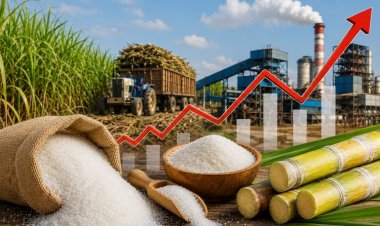
The FAO Sugar Price Index averaged 106.4 points in August, rising 11.3 points from July and reaching its highest level since June 2025. FAO attributed the sharp increase largely to mounting concerns about sugar production during the 2026/27 season.
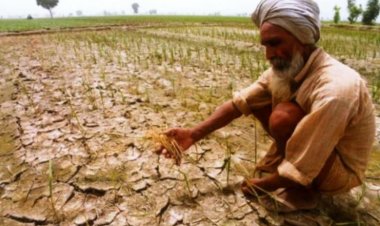
Persistent hot and dry weather has weakened production prospects in several major producing regions. In the European Union, sugarbeet yield forecasts were revised downward as adverse weather conditions affected crops, while the planted area was already expected to decline from the previous season.
Weather risks are also emerging across Asia, with El Niño-related conditions affecting production prospects in key sugar-producing countries. Brazil, the world's leading sugar exporter, added to the tighter supply outlook after lower production was reported in its key Center-South region.
FAO also highlighted India's trade policy as an important factor behind the international price increase. India's announcement of duty-free raw sugar imports contributed to the rise in global sugar prices, as markets reassessed supply availability and future trade flows.
The development is particularly significant for India, where sugar prices have remained elevated amid concerns over domestic availability and production. Higher international prices could increase the cost of imports even as duty-free access is intended to improve supplies and moderate domestic market pressures.
The broader FAO Food Price Index also moved higher in August. It averaged 133.3 points, up 1.9 percent from July and 2.5 percent from a year earlier. All five commodity groups recorded monthly increases, although the magnitude varied considerably. The overall index remains 16.8 percent below its March 2022 peak.
Cereal prices also strengthened, with the FAO Cereal Price Index rising 2.2 percent to 116.3 points, its highest level since May 2024. Wheat prices climbed 2.6 percent, while maize increased 2.5 percent, supported by weather concerns, firm demand and continuing uncertainty around export flows.
The Vegetable Oil Price Index rose 0.6 percent to its highest level since June 2022, while the Dairy and Meat indices increased 2.3 percent and 1 percent, respectively.
The latest FAO data indicate that sugar has emerged as the most prominent source of fresh upward pressure in global food prices. For India, where domestic sugar prices are already a concern, developments in global production, weather and trade policies will remain crucial in determining the price outlook in the coming months.