
India Needs to Cut Fertilizer Import Dependence, Leverage AI and Modern Technologies: Dr. ML Jat
NAAS has proposed a multi-pronged roadmap for fertilizer self-reliance, emphasizing policy reforms, reduced import dependence and improved nutrient-use efficiency. Experts recommended adopting precision technologies, promoting organic alternatives and revising subsidy structures. A mission-mode programme targeting 25% replacement of chemical fertilizers with organics has also been suggested to ensure sustainable agriculture.

 Join the RuralVoice whatsapp group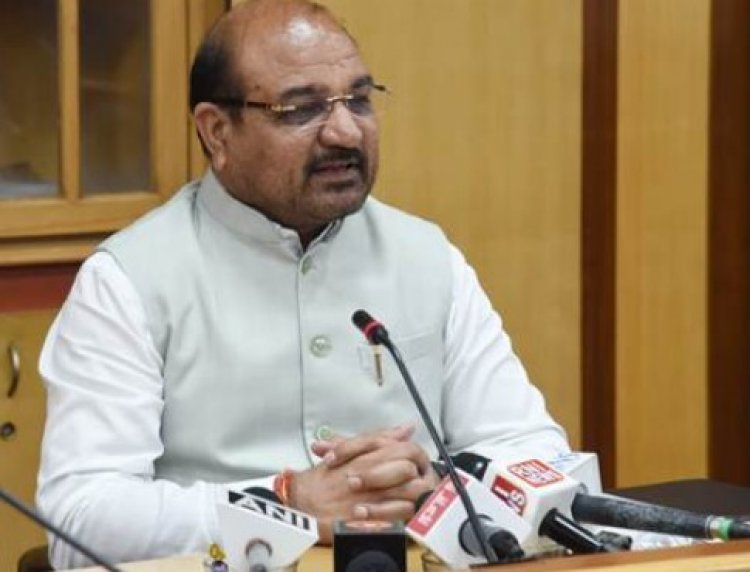
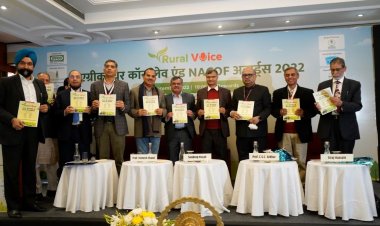
The National Academy of Agricultural Sciences (NAAS) has outlined a comprehensive roadmap to achieve fertilizer self-reliance, stressing urgent policy reforms, technological adoption and sustainable practices. Experts at a high-level brainstorming session called for reducing import dependence, improving nutrient-use efficiency and shifting towards balanced, need-based fertilizer application to secure India’s agricultural future.
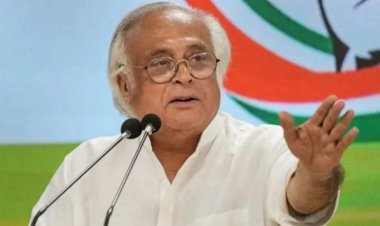
After the brainstorming session, Secretary, Department of Agriculture Research and Education under Ministry of Agriculture and Farmers Welfare and DG, Indian Council of Agriculture Research and President, NAAS Dr. M.L. Jat addressed a press conference. In his address, he said that India has set a target of achieving Atmanirbhar Bharat by 2047, and the agricultural sector will play a pivotal role in this journey. While fertilizers were instrumental during the Green Revolution in boosting production, the current challenge lies in declining fertilizer use efficiency and their indiscriminate application.
Dr. Jat further added that with the country consuming nearly 33 million tonnes of fertilizers annually, a significant share of which is imported, reducing import dependency has become imperative. He said addressing this issue requires a comprehensive approach spanning short-term, medium-term, and long-term strategies. He said that strengthening initiatives like Soil Health, promoting balanced and need-based fertilizer application, and enhancing awareness among farmers are important steps in this direction.
Dr. Jat said, we must leverage modern technologies such as precision nutrient management, artificial intelligence, and sensor-based systems to optimize fertilizer use. Crop diversification towards pulses and oilseeds, recycling organic waste under the Waste-to-Wealth initiative, and increasing the use of biological sources will further contribute to reducing dependence on chemical fertilizers, he added.
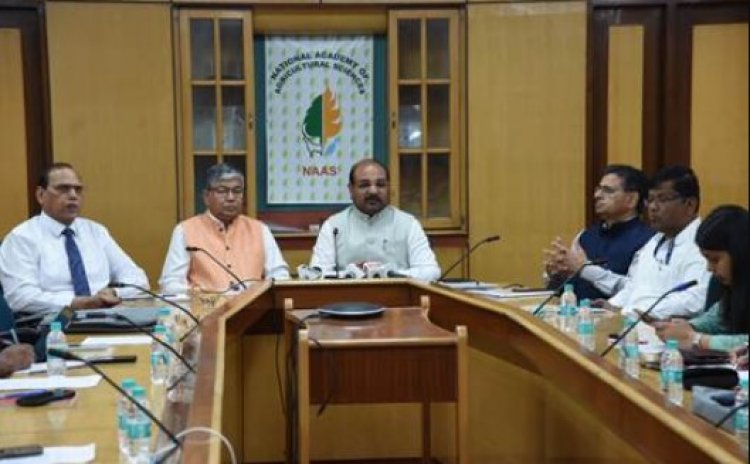
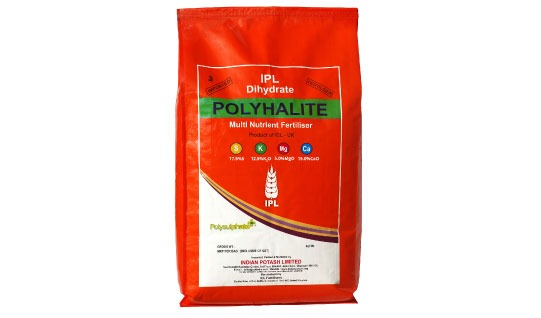
Speaking about the brainstorming session, he informed that it was advised by the participants to adopt a multi-pronged strategy with short, medium and long-term R&D goals, and enabling policies to achieve the same. The roadmap should emphasize strengthening fertilizer research for development of smart alternate fertilizers, utilization of unexploited indigenous minerals (glauconite, phosphate rocks, mica, polyhalite…) and industrial by-products, increased use of biologicals, exploiting the potential of soil microbiome, improved composting techniques, crop breeding for enhanced NUE, good agricultural practices (GAP) involving precision nutrient management integrating fertilizers and organics, soil health restoration, crop diversification and residue recycling.
It was also emphasized that there is a need to launch a Mission Mode Program to promote Integrated Nutrient Supply and Management (INSAM). The goal of the proposed mission would be to replace at least 25% of current mineral fertilizer use with organic manures in the next 3 years. An aggressive round-the-year technology transfer using digital tools such as AI platform Bharat VISTAAR would help largescale adoption of the proven technologies. Weak extension lays greater emphasis on increasing fertilizer use and not on its efficient use.
The representatives reached a consensus that a paradigm shift is needed in the current fertilizer policies, especially bringing urea in the ambit of nutrient-based subsidy, repurposing fertilizer subsidy as an incentive for adoption of GAP, linking subsidies with soil health card, and exploring the possibility to disbursing subsidy to the farmers as direct cash transfer. Availability of cheap urea is a principal disincentive to make its efficient use or to stop making its over-use. Proportionally underuse than recommended of more expensive fertilizer P and K provokes their deficiencies in soil and crops.
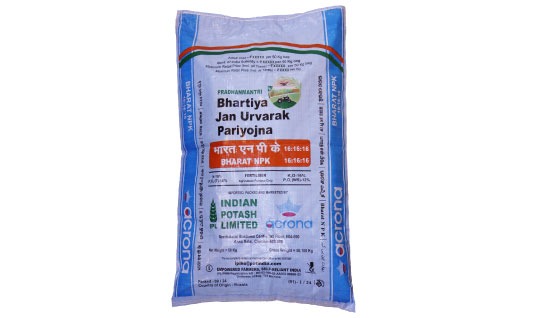
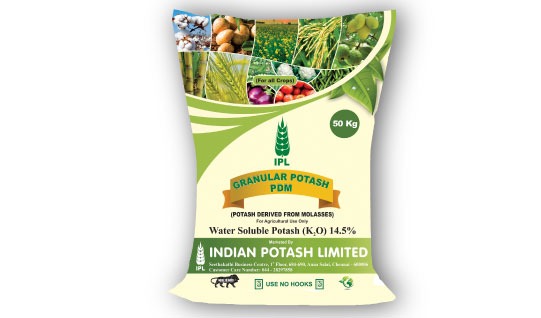
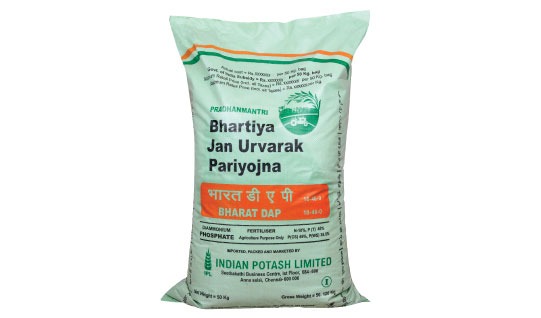
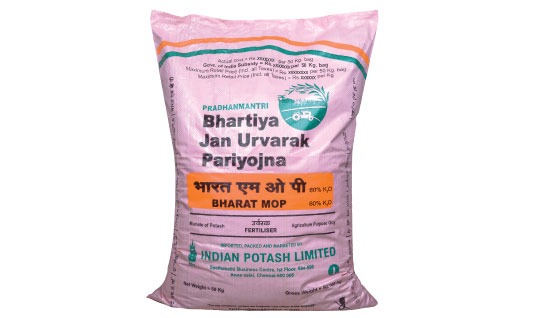
Fertilizers have been central to India’s agricultural transformation since the Green Revolution, significantly increasing food grain production and ensuring national food security. However, the sector remains heavily import-dependent, especially for phosphorus and potassium, leading to high foreign exchange outflows and a substantial subsidy burden, which reached nearly Rs 1.71 lakh crore in 2024-25. Inefficient and imbalanced fertilizer use further constrains productivity, as crops utilize only a fraction of applied nutrients - about 30-50% of nitrogen, 15-25% of phosphorus, and 50-60% of potassium - while the remainder is lost through leaching, runoff, volatilization, or soil fixation. This low nutrient-use efficiency (NUE) increases production costs, escalates subsidies, and contributes to soil and water degradation.
Total fertilizer (N+P2O5+K2O) consumption reached 32.93 million tonnes in 2024–25, with a fertilizer use intensity of 151 kg/ha. The average fertilizer consumption ratio (9.3:3.5:1) is highly skewed towards N. Around 80% of natural gas used in urea production is imported, further underlining dependence on imports even in domestically produced fertilizers. The recent development in West Asia should not be taken as a short-term supply chain crisis with respect to fertilizers and raw materials. But, it is a wake-up call to rethink and realign our policies and R&D priorities towards self reliance.