
MC14: Pressure Mounts on India as WTO Talks Focus on Agriculture, Fisheries and E-Commerce
At the WTO 14th Ministerial Conference (MC14), divisions sharpen over e-commerce duties and investment facilitation. The Global Trade Research Initiative flags rising pressure on India as developed nations push key agendas. Limited progress is expected in agriculture and fisheries, with outcomes likely to be modest compromises amid deepening global trade rifts.

 Join the RuralVoice whatsapp group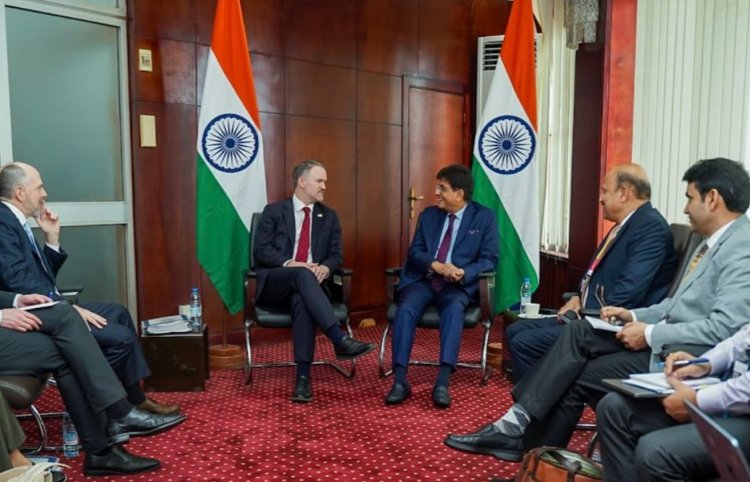
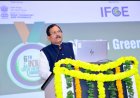
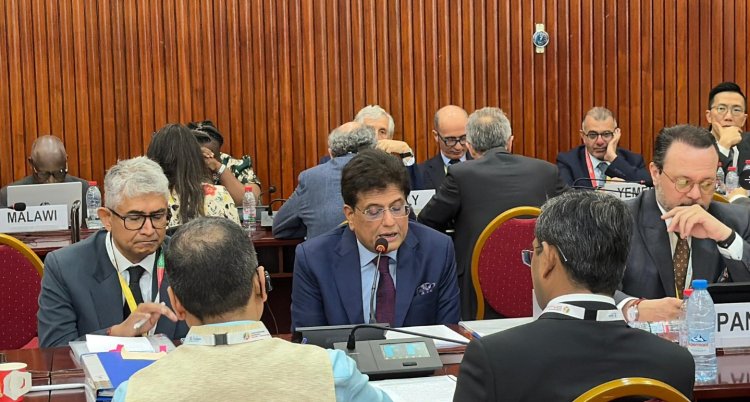
The third day of the WTO’s 14th Ministerial Conference at Yaoundé, Cameroon is emerging as pivotal, with ministers meeting across four tracks - agriculture, fisheries subsidies, investment facilitation and e-commerce - alongside open sessions where countries will spell out their positions. Meanwhile, Commerce and Industries Minister Piyush Goyal said on the 2nd day of conference that consensus-based decision-making is the bedrock of the WTO’s legitimacy. Goyal emphasised that WTO reforms must address the asymmetries from the Uruguay Round. He also stressed on the importance of all Members to have a fair opportunity to build productive capacity, create employment, and participate meaningfully in global trade.
Breakthroughs remain unlikely, but today’s talks are expected to shape the final outcome. According to Delhi-based think tank Global Trade Research Initiative (GTRI), the sharpest divide is over the e-commerce moratorium on customs duties. The U.S., backed by Jamieson Greer, is pushing for a permanent extension, while India and other developing countries oppose it, citing revenue loss and policy constraints. A temporary compromise of 2-4 years appears the most likely outcome.
On the Investment Facilitation for Development (IFD) pact, India now stands nearly alone as resistance from others weakens, with Turkey dropping its opposition. Pressure on New Delhi is expected to intensify in small-group “green room” meetings and through direct engagement by the DG WTO. India’s concern is less about the pact itself than the precedent it sets- opening the door to plurilateral deals that once embedded within the WTO, act as Trojan horses, gradually reshaping the institution’s multilateral character.
In agriculture, some members, including the Cairns Group, are expected to push for a fresh negotiating mandate, effectively resetting the agenda. Such a move could sideline existing mandates, including those central to India’s position. No outcome is expected on India’s demand for a permanent solution on public stockholding (PSH) for food security.
Little progress is expected on fisheries subsidies, where divisions persist.
With tensions spanning digital trade, IFD and plurilateral agreements, today’s discussions are set to determine whether MC14 ends in a modest compromise or exposes deeper fractures within the WTO.
What Goyal said on Day 2
Speaking on the issue of ‘Decision making including past mandates’, Goyal emphasised that consensus-based decision-making is the bedrock of the WTO’s legitimacy, and it is important for the WTO not to ignore the sovereign right of each member to not bind itself to rules which they do not agree to. While underlining the importance of rebuilding trust for overcoming challenges in reaching decisions through consensus, India stressed on the importance of the WTO to undertake a careful stock-take of the current impasse and its underlying causes, while ensuring discussions remain transparent, inclusive and Member-driven. India also highlighted that an integrated multilateral trading system cannot thrive alongside fragmentation within its own institutional framework.
On the ‘Level playing field issues’, Goyal emphasised that discussions must take into account the asymmetries from the Uruguay Round. India focused on the need for long pending issues like food security, PSH, SSM on Cotton to be prioritised while taking up new issues to address the structural asymmetries. Highlighting the continued dysfunction of the dispute settlement system, India emphasised that without effective adjudication, rules lose their enforceability, thereby disproportionately disadvantaging smaller economies. India also cautioned against weaponising transparency to justify trade retaliation or challenge legitimate domestic policies. Instead, it should be accompanied by meaningful and sustained capacity-building support, ensuring that all Members can meet obligations fairly and effectively. India also stressed on the importance of all Members to have a fair opportunity to build productive capacity, create employment, and participate meaningfully in global trade.
The day concluded with a Ministerial Plenary Session on WTO Reform Transparency. Speaking during this session, Commerce Secretary, Shri Rajesh Agrawal, extended India’s support for a time-bound restart of reform efforts with milestones, based on a more robust evidentiary analysis and through engagement with submissions and Ministerial Decisions. India unequivocally called for eschewing cherry-picking issues and proliferating preconceived and prejudged positions. India also highlighted the need to give greater importance to the role of WTO Committees, which, through their lived and learned experiences, can contribute to an exhaustive stocktake through a bottom-up approach. While cautioning against plurilaterals fragmenting the multilateral trading system, Shri Agrawal called for the consensus process to be premised on the principles of openness, transparency, inclusivity, participative and member-driven.
On the sidelines of the second day of the MC14 meetings, Shri Goyal held bilateral meetings with his counterparts from US, China, Korea, Switzerland, New Zealand, Canada, Morocco and Oman. Discussions were focused on the MC 14 agenda as well as on matters related to deepening bilateral trade ties.