
Brent Crude Jumps 10% in a Week as Iran-US Conflict Disrupts Hormuz Shipping; Trump Says US Will ‘Run’ the Strait
Renewed fighting between Iran and the United States has disrupted shipping through the Strait of Hormuz, pushing Brent crude nearly 10% higher to around $79 a barrel in a week. As tanker traffic declined sharply, President Donald Trump said the US would likely control and protect the strategic waterway for a fee.

 Join the RuralVoice whatsapp group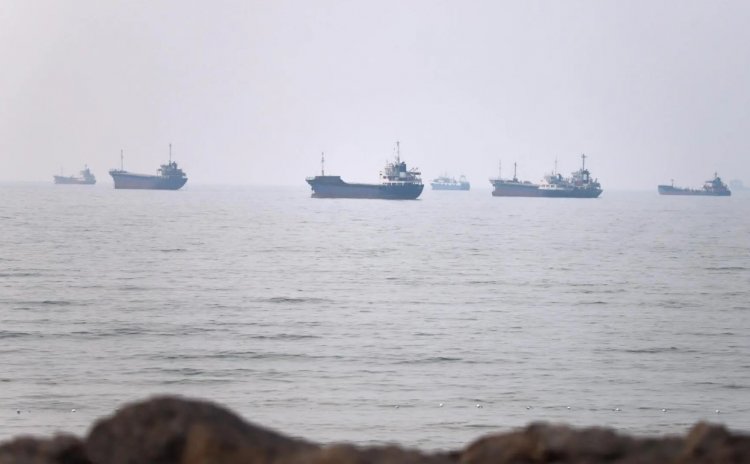
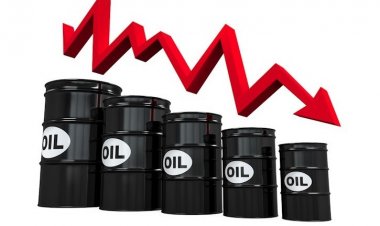
Global crude oil prices have started climbing again as renewed hostilities between Iran and the United States disrupted shipping through the Strait of Hormuz, one of the world's most critical energy chokepoints. Brent crude has surged nearly 10% over the past week, approaching $79 per barrel, raising fresh concerns over global energy supplies and inflation.
Brent crude had traded above $83 per barrel on June 15, but prices later dropped to around $71 per barrel after a ceasefire agreement between Iran and the US restored shipping through the Strait of Hormuz. However, with the conflict flaring up again, oil prices have resumed their upward trajectory.
The renewed tensions have significantly affected maritime traffic through the strategic waterway. On Sunday, the number of oil tankers passing through the Strait of Hormuz fell to its lowest level in five weeks.
In retaliation for US military strikes, Iran targeted American military bases in Kuwait, Bahrain, Qatar, Oman and Jordan and announced that it would once again close the Strait of Hormuz. As a result, only six tankers crossed the strait on Sunday, while no vessel attempted to transit the passage on Monday morning.
The vessels that crossed on Sunday included a supertanker carrying Iranian crude oil, a tanker transporting petroleum products from Kuwait, and three empty tankers heading towards Gulf export terminals to load crude.
With regional tensions escalating and following last week's attacks on commercial shipping by Iran, oil and LNG tankers have once again begun switching off their Automatic Identification System (AIS) transponders while passing through the strait to avoid tracking. Until last week, following the signing of the Iran-US memorandum of understanding, a large number of tankers had resumed sailing through the route with their AIS systems switched on.
Adding to market uncertainty, US President Donald Trump said America would likely take control of the strategic waterway and should be compensated for protecting it.
Speaking during a phone interview with Fox News, Trump said, "We're going to keep the strait, and we'll probably run it. We'll become the guardian of the strait. Maybe we'll call it the guardian angel of the strait. And we should be reimbursed for that."
He added, "We're going to guard it. We're going to get paid for guarding it – a lot of money."
Trump further said, "We're going to be reimbursed, because the other nations are very wealthy. They're on our side, and we can't be expected to do that for nothing."
His remarks come amid heightened geopolitical tensions that continue to fuel volatility in global oil markets, with the Strait of Hormuz remaining a vital transit route for nearly one-fifth of the world's oil supplies.