
Iran Conflict Triggers China to Expand Fertilizer Export Curbs Beyond Urea
Despite being one of the world’s largest producers of fertilizers, China is not immune to these pressures. Domestic prices for key inputs such as urea have surged in recent weeks, reflecting tightening supply and uncertainty over how long the conflict may continue.

 Join the RuralVoice whatsapp group
Amid escalating conflict in the Middle East, with fertilizer supplies facing significant disruption, China has stepped in to safeguard its domestic farming sector by releasing fertilizer reserves earlier than usual and tightening export controls. Beijing’s move comes at a critical time, just ahead of the spring planting season, when demand for fertilizers such as nitrogen, phosphate, and potash typically peaks. Chinese authorities have instructed companies holding commercial stockpiles to release supplies into the domestic market to ensure adequate availability for farmers.
China traditionally manages a portion of its fertilizer reserves through commercial entities, which are required to release stocks during periods of high demand or emergencies such as natural disasters. However, this year’s early release highlights growing concerns over global supply disruptions linked to the ongoing conflict involving Iran and its wider geopolitical implications.
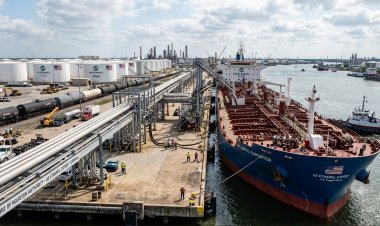
The Middle East plays a vital role in global fertilizer trade, particularly for nitrogen-based products and feedstocks like natural gas. Any disruption in shipping routes or production from the region tends to have an immediate impact on global prices. The situation has been further aggravated by rising energy costs, which directly influence fertilizer production expenses.
Despite being one of the world’s largest producers of fertilizers, China is not immune to these pressures. Domestic prices for key inputs such as urea have surged in recent weeks, reflecting tightening supply and uncertainty over how long the conflict may continue. Higher fertilizer prices translate directly into increased cultivation costs for farmers, raising concerns about food inflation and farm profitability.
To contain domestic price volatility, China has also reinforced restrictions on fertilizer exports. Authorities have reportedly asked exporters to halt shipments of certain nitrogen-potassium (NPK) blends, while continuing existing curbs on urea exports. This effectively limits the volume of Chinese fertilizers available in international markets.
China’s export policies carry significant weight globally, as the country is a major supplier of fertilizers to several regions, including Asia, Africa, and Latin America. Any tightening of exports from China tends to tighten global supply further, often leading to price spikes in importing countries.
Market analysts warn that the combined impact of disrupted Middle East supplies and China’s export restrictions could create a supply squeeze in the coming months. Import-dependent countries may face higher input costs just as planting seasons begin, potentially affecting crop yields and overall agricultural output.
At the same time, global fertilizer markets are already dealing with lingering effects from previous supply shocks. The current situation adds another layer of uncertainty, making price movements more volatile.
There are also concerns about the broader implications for global food security. Higher fertilizer prices can lead farmers to reduce application rates, which may lower crop productivity. This, in turn, could put upward pressure on food prices, particularly in developing economies.
While China’s decision to release reserves may help stabilize its domestic market in the short term, the tightening of exports could have the opposite effect globally. Much will depend on how long the Middle East conflict persists and whether alternative supply routes or sources can offset the disruptions.
For now, global agricultural markets remain on edge, closely watching both geopolitical developments and policy responses from key players like China. The coming weeks will be crucial in determining whether fertilizer supplies stabilize or whether the current tensions evolve into a more prolonged crisis for global agriculture.