Iran Conflict Impact: Pesticide Prices to Surge 25-30% Ahead of Kharif Season
Escalating Middle East tensions and rising crude oil costs are set to hike pesticide prices by 30% this April. Discover how the Iran-Israel conflict and Chinese export curbs are impacting Indian farmers ahead of the Kharif season.

 Join the RuralVoice whatsapp group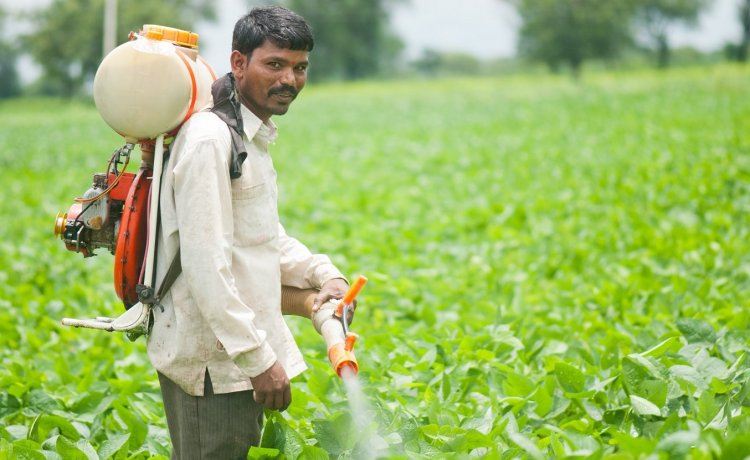
The ongoing conflict involving Iran, the United States, and Israel is beginning to cast a wider economic shadow, with Indian farmers likely to feel the heat through a sharp rise in pesticide prices. Industry estimates suggest that prices could increase by 25 to 30 percent starting April, just ahead of the crucial Kharif sowing season.
Given the high consumption of pesticides during Kharif, this surge is expected to significantly raise input costs for farmers. Agrochemical companies indicate that rising raw material and production costs are forcing them to revise prices upward. Fresh supplies entering the market from April are likely to reflect these higher rates. In addition to domestic availability, exports of agrochemicals may also face disruptions.
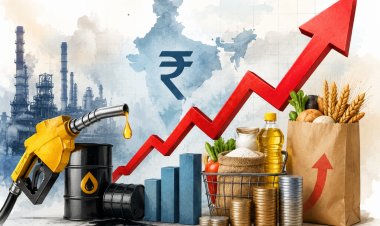
A senior executive from a leading agrochemical firm told Rural Voice that escalating crude oil prices have led refineries to hike petrochemical product prices by 25-30 percent. Packaging material costs have also risen by 15-30 percent. Suppliers, too, are revising previously negotiated contracts, adding further pressure on manufacturers. The price of sulphur, a key raw material used in plant growth stimulants, has seen a sharp increase.
The situation is further complicated by developments in China, the primary source of many pesticide raw materials. China has not only raised prices significantly but has also curtailed exports. An ongoing international conference on chemicals and fertilizers in China, attended by global industry leaders, is expected to provide more clarity on supply trends in the coming days.
Another industry official noted that higher crude oil prices have pushed up the cost of critical inputs such as solvents and emulsifiers used in pesticide formulations. At the same time, the depreciation of the Indian rupee, now crossing the 93-per-dollar mark, has made imports more expensive. Rising freight charges and insurance premiums have added to the burden, leaving companies with little option but to pass on the increased costs to farmers. If the conflict persists, supply chain disruptions could intensify in the near future. CropLife India has already warned of a possible price increase of up to 25 percent.
The Middle East crisis is also impacting India’s agrochemical exports. As the world’s second-largest exporter in this segment, India ships over $5.5 billion worth of agrochemicals annually, and ongoing geopolitical tensions could affect this trade.
Overall, the ripple effects of the West Asian conflict are now reaching Indian agriculture. While the government may cushion fertilizer price shocks through subsidies, pesticide prices remain market-driven and beyond direct state control.
In recent years, pesticide expenses have formed an increasing share of total cultivation costs. With farmers already struggling to secure remunerative prices for their produce, the anticipated rise in input costs threatens to further strain farm incomes and profitability.