PM Modi urges export-oriented agriculture and technology adoption at Post-Budget Webinar
Prime Minister Narendra Modi called for export-oriented agriculture, crop diversification and greater technology adoption while addressing the post-Budget webinar on Agriculture and Rural Transformation. He highlighted achievements in farmer welfare schemes, fisheries and livestock sectors, and stressed innovation, investment and stronger state participation to accelerate rural economic growth.

 Join the RuralVoice whatsapp group
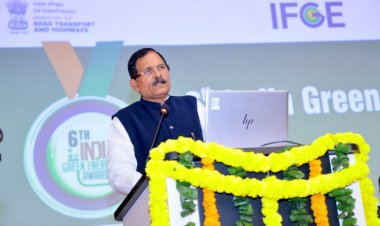
Prime Minister Narendra Modi on Friday addressed the third post-Budget webinar focusing on “Agriculture and Rural Transformation,” highlighting the importance of agriculture as the backbone of the Indian economy and outlining key priorities to strengthen the sector through technology, exports and diversification.
The Prime Minister said agriculture remains a strategic pillar for India’s long-term development and emphasized the need to ensure that the benefits of the Union Budget reach the ground quickly. He noted that the webinar provided an important platform for stakeholders to discuss implementation strategies and contribute ideas to maximize the impact of budget provisions.
Highlighting the government’s efforts to strengthen the farm sector, the Prime Minister referred to several flagship schemes aimed at improving farmers’ incomes and reducing risks. According to official data, more than 10 crore farmers have received over Rs 4 lakh crore under the PM Kisan Samman Nidhi scheme. In addition, insurance claims worth nearly Rs 2 lakh crore have been settled under the PM Fasal Bima Yojana, while institutional credit coverage for farmers has crossed 75%.
The Prime Minister also noted that India has achieved record production of food grains and pulses, but stressed the need to inject new energy into the sector as the country moves into the second quarter of the 21st century. He emphasized that Indian agriculture must increasingly focus on exports to meet evolving global demand and enhance farmers’ incomes.
As part of this strategy, the government has proposed promoting high-value crops such as cocoa, cashew and sandalwood in specific regions. The Budget has also emphasized the development of agarwood cultivation in the Northeast and temperate nut crops in Himalayan states. These initiatives are expected to boost value addition, create rural employment and strengthen India’s position in global agricultural markets.
The Prime Minister highlighted the potential of the fisheries sector, noting that India is already the world’s second-largest fish producer. Current production from reservoirs and ponds is about 4.5 lakh tonnes, but the sector has the potential to add another 20 lakh tonnes, offering significant opportunities for exports and rural livelihoods. He also called for new business models in hatcheries, feed supply and logistics to fully utilize the potential of the Blue Economy.
In the livestock sector, the Prime Minister pointed out that India is the world’s largest milk producer and ranks second in egg production. Efforts are being made to improve breeding quality, strengthen disease prevention and expand vaccination coverage, including large-scale protection of animals against foot-and-mouth disease.
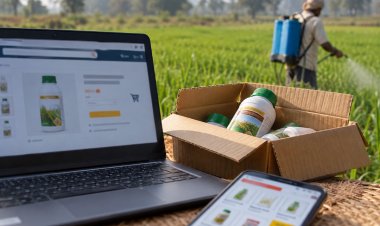
The Prime Minister also stressed crop diversification, greater adoption of digital technology and the development of digital public infrastructure in agriculture. Initiatives such as e-NAM, Kisan IDs and digital land surveys were highlighted as key tools for modernizing the sector.
He further emphasized rural development initiatives, including housing, rural roads and the growing role of Self-Help Groups in strengthening rural economies. The government has set a target of creating three crore additional “Lakhpati Didis” by 2029 to boost women-led entrepreneurship in rural areas.
The Prime Minister called on experts, entrepreneurs and state governments to collaborate in strengthening agricultural supply chains, agri-fintech and storage infrastructure to accelerate rural transformation.