
China Boosts Grain Output, Expands Soybean Imports to Secure Food and Feed Demand
China is increasing grain production, especially corn, through higher yields while keeping imports controlled. At the same time, rising feed demand is driving higher soybean imports, expected at 108 million tonnes. The strategy reflects a balance between domestic self-sufficiency and global sourcing to ensure food and feed security.

 Join the RuralVoice whatsapp group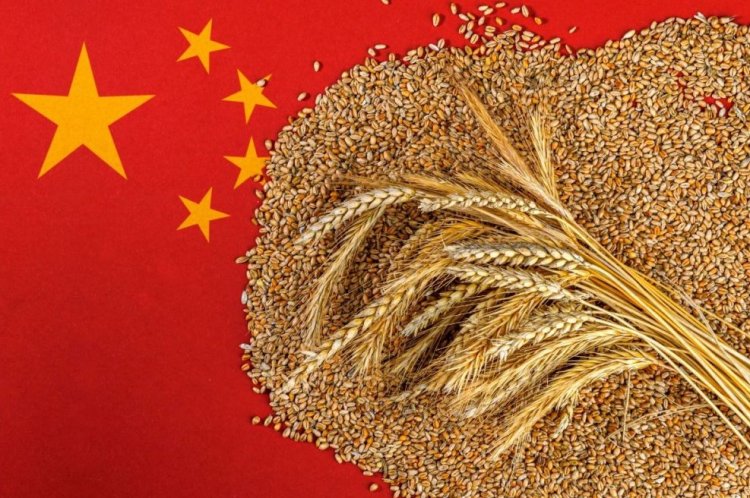
China’s grain production is projected to continue its upward trajectory in 2026-27, led by higher yields and policy support rather than major expansion in cultivated area, according to the Foreign Agricultural Service (FAS) of the US Department of Agriculture.
Corn production is forecast to rise to 305 million tonnes, supported by improved yields and wider adoption of genetically engineered varieties. However, consumption is expected to outpace output at 323 million tonnes, keeping imports steady at 8 million tonnes. Corn remains the backbone of China’s feed sector, with feed and residual use projected at 241 million tonnes.
Overall feed demand is set to increase modestly, driven by stable swine production and stronger growth in poultry and aquaculture sectors. Total feed use of major grains is expected to reach 290.7 million tonnes.
China continues to tightly regulate grain imports through tariff rate quotas (TRQs) while focusing on boosting domestic production and managing reserves. Sorghum and barley imports remain crucial to supplement feed demand, with sorghum imports forecast at 7.8 million tonnes and barley at 10.5 million tonnes.
Wheat production is projected to rise slightly to 140.1 million tonnes, although consumption at 150 million tonnes will exceed output. Food demand for wheat remains stable, but changing dietary habits and an aging population are reducing traditional flour consumption while boosting demand for convenient bakery products.
Rice production is expected to edge up to 210 million tonnes, while consumption may decline to 145 million tonnes due to demographic shifts and evolving food preferences.
China to increase soybean imports
Alongside grains, China is set to increase soybean imports to meet rising demand for protein-rich feed. Imports are forecast at 108 million tonnes in 2026-27, up by 2 million tonnes year-on-year, driven by strong demand for soybean meal, particularly from poultry and aquaculture sectors.
China has also resumed US soybean purchases following easing trade tensions, with significant volumes already contracted under bilateral agreements. Domestic soybean production is expected to grow moderately to 20.2 million tonnes, supported by subsidies and improved prices, though it remains insufficient to meet demand.
Soybean crushing is projected to rise, although overall capacity remains underutilized, reflecting fluctuations in processing margins. Meanwhile, policy efforts continue to enhance self-sufficiency in oilseeds through research, incentives and expanded planting.
In addition, China is expected to resume imports of Canadian canola following tariff reductions, which could rebalance the oilseed market and reduce reliance on substitutes.
Overall, China’s agricultural outlook highlights a balanced strategy—boosting domestic grain and oilseed output while relying on imports to bridge demand gaps, particularly in the feed sector.