India Bans Sugar Exports Till September 2026, ISMA Seeks Execution of Contracts
The Indian government has prohibited sugar exports with immediate effect till September 30, 2026, amid concerns over lower domestic production, declining stock levels, and the possibility of rising sugar prices in the domestic market.

 Join the RuralVoice whatsapp group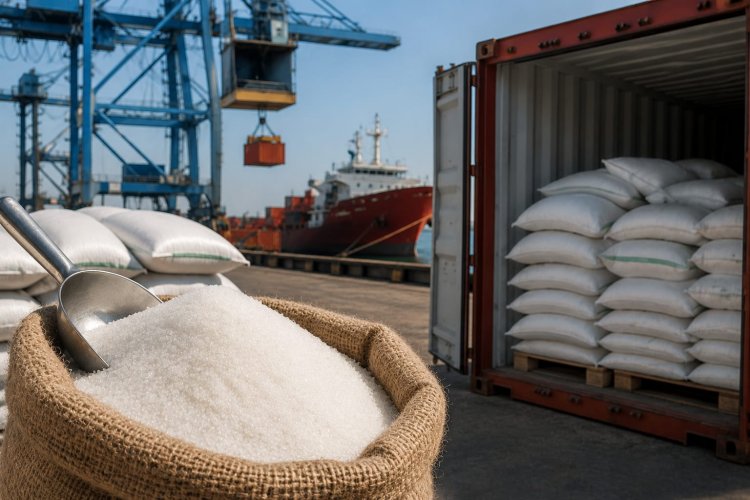
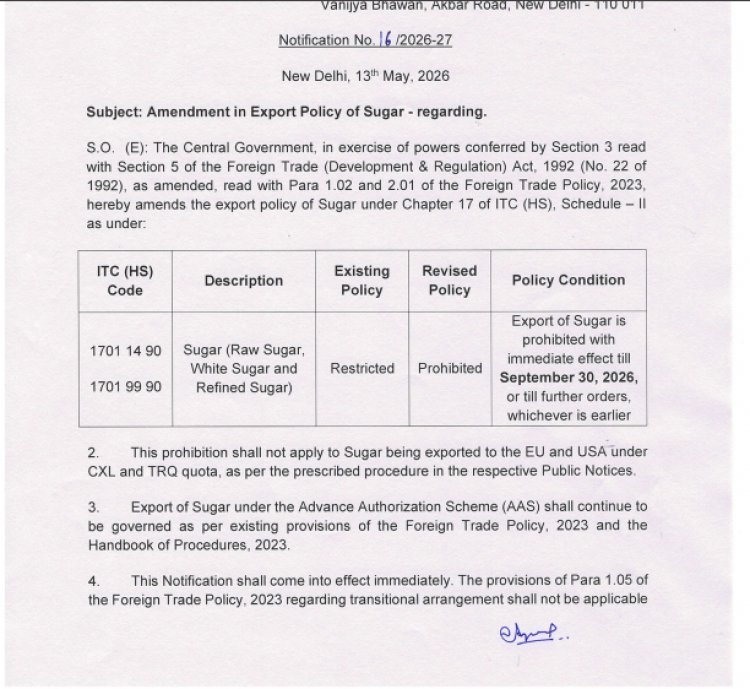
The central government has banned sugar exports from India with immediate effect amid concerns over lower domestic production and a possible rise in prices. The Ministry of Commerce issued a notification on May 13 placing sugar exports under the “prohibited” category. Meanwhile, sugar industry body ISMA has urged the government to allow execution of already-concluded export contracts.
According to the government notification, sugar exports have been amended from the “restricted” category to the “prohibited” category. The order has come into force immediately and will remain effective till September 30, 2026, or until further orders.
However, the restriction will not apply to sugar exports to the United States and the European Union under special (CXL and TRQ) quota arrangements.
The move comes as sugar production during the current 2025-26 sugar season, running from October 1, 2025 to September 30, 2026, is estimated to remain below 28 million tons. The government fears that lower output could lead to a sharp increase in domestic sugar prices.
For the current season (2025-26), the government had permitted the export of 1.5 million tonnes of sugar. Subsequently, in February, an additional 0.5 million tonnes of sugar exports was allowed. Before the Iran war, six lakh tonnes had already been exported. After the war began, around two lakh tonnes more have been exported.
The situation has emerged due to sugar production falling short of initial industry estimates. At the beginning of the season, the sugar industry had projected production of 34.9 million tons, including sugar diverted for ethanol production. India had also entered the season with an opening stock of around 5 million tons.
The government had permitted exports earlier following demands from the sugar industry, which argued that weak domestic sugar prices were affecting mills’ ability to payments to sugarcane farmers. However, exports failed to gain momentum due to subdued global sugar prices.
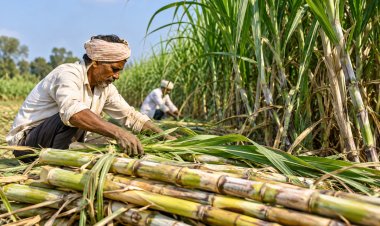
Production in Uttar Pradesh during the current season has reportedly declined further compared to last year, while output in Maharashtra has also remained below initial expectations despite hopes of a better crop.
Industry estimates now suggest that closing sugar stocks at the end of the season may fall to around 4 to 4.5 million tons, potentially the lowest level in the past nine years. The government’s latest decision aims to ensure adequate domestic availability and keep sugar prices under control.
Senior Nationalist Congress Party (SP) leader Jayant Patil on Thursday criticised the Centre’s decision to impose an immediate ban on sugar exports, saying the move was taken without proper planning and would severely impact Maharashtra’s sugar industry. In a statement, Patil said the abrupt decision would deliver a double blow to sugar mills in the state, which are already grappling with financial and operational challenges. He urged the central government to reconsider and immediately withdraw the export ban, arguing that such policy decisions should be taken only after consultations with stakeholders and a clear assessment of their impact on farmers and cooperative sugar mills.
The decision had its impact on share prices of sugar companies. At closing, among the major companies, share price of Shree Renuka Sugars was down by 2.17%, Triveni Engg. Industries by 1.46%, Balrampur Chini by 1.49%, Bajaj Hindusthan by 5.07%, Dalmia Bharat Sugar by 5.64%, Dhampur Sugar by 6.76%, Rana Sugars by 5.22% and Mawana Sugars by 3.73%.
ISMA seeks execution of finalised export contracts
Meanwhile, the Indian Sugar & Bio-energy Manufacturers Association (ISMA) urged the government to permit the execution of already-finalised export contracts. While supporting the rationale behind the Centre’s decision, the industry body said the sudden imposition of restrictions could create operational and financial challenges for sugar mills that have existing contractual commitments with overseas buyers.
"Permitting execution of already concluded contracts may help facilitate orderly trade settlement and support the credibility of Indian suppliers in the global market," ISMA Director General Deepak Ballani said in a statement.
ISMA said sugar exports were approved in November 2025 based on optimistic production estimates for the current season. However, sugar output in major cane-producing states such as Maharashtra and Uttar Pradesh turned out to be lower than anticipated due to weaker crop yields and adverse weather conditions. Despite the production shortfall, the association asserted that the overall sugar balance for the season remains comfortable and the country is still expected to maintain adequate closing stocks by the end of the season.