
Middle East Conflict Triggers Global Fertiliser & Pesticide Spike and Food Inflation Risks
Global food security is under threat as Middle East tensions disrupt the Strait of Hormuz. With fertiliser prices soaring by 40% and energy costs rising, experts warn of a new wave of food inflation impacting Asia, Africa, and emerging markets.

 Join the RuralVoice whatsapp group
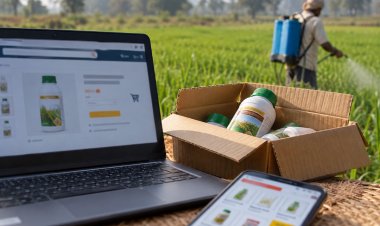
The ongoing conflict in the Middle East is raising serious concerns over global agricultural supply chains, with mounting risks linked to fertiliser shortages, rising costs of energy and pesticide and potential food price inflation. It could increase input costs by 20-25% for the pesticides industry, likely increasing costs for farmers.
“The disruption in supply chains and key shipping routes due to the conflict is likely to impact input costs by 20-25% for the crop protection industry, leading to a rise in costs for the farmers accordingly. The disruptions may lead to shortage of certain crop protection products during a critical agriculture season, impacting yield and quality of produce,” said Ankur Aggarwal, Chairman of CropLife India and Executive Chairman & Managing Director of Crystal Crop Protection Ltd.
“The industry is expected to see lower capacity utilisation in this period across technical and formulation plants, and this may affect industry earnings and employment as well, particularly among the MSMEs,” he noted. “At this juncture, the industry requests for support and incentives on the energy front to enhance local production and capacity”. “The supply gaps and volatility could spur circulation of illicit, counterfeit or substandard products, therefore, it is critical that we remain vigilant and activate all monitoring mechanisms,” he added.
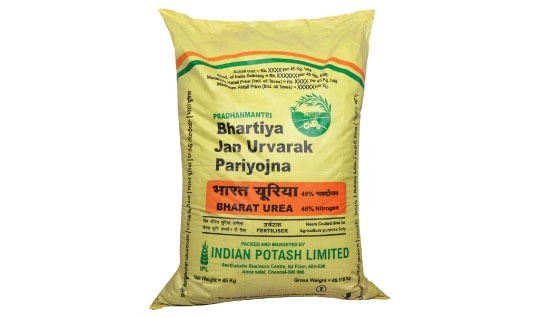
At the centre of the disruption is the Strait of Hormuz, a critical maritime chokepoint connecting the Persian Gulf to the Arabian Sea. According to a report released by the International Grains Council (IGC), the route handles nearly 25% of the world’s oil supply and about 20% of liquefied natural gas (LNG) exports. It is also vital for fertiliser trade, with the Gulf region accounting for up to 35% of global urea exports and around 30% of ammonia shipments. Some estimates suggest that as much as 30% of globally traded fertilisers transit through the strait.
Recent tensions have led to shipping disruptions and the closure of some regional production facilities, triggering a sharp spike in fertiliser prices. Analysts warn that the conflict could threaten between 65% and 70% of global urea supplies, with prices already rising by 30% to 40%. The absence of strategic global fertiliser stockpiles has further intensified concerns, leaving markets exposed to supply shocks.
The ripple effects are being felt across agricultural systems worldwide. While most grain and oilseed producers in the northern hemisphere are currently well supplied for the spring planting season, a prolonged crisis could disrupt planting decisions later in the year, particularly in regions heavily dependent on Gulf fertiliser imports. Parts of Asia and Africa are especially vulnerable, where limited domestic production and low stockpiles heighten reliance on imports.
Countries such as Somalia, Bangladesh, Kenya and Pakistan face heightened exposure due to their dependence on Gulf supply chains and limited fertiliser reserves. In Kenya, fertiliser costs have already surged by around 40%. In contrast, regions such as Latin America are relatively better positioned due to domestic production and diversified supply sources, though concerns persist even in major agricultural economies like Brazil.
Food security crisis in the Gulf region
The disruption is also affecting food security in the Gulf region itself. On average, around 2 million tonnes of grains, oilseeds and related products are shipped monthly through the Strait of Hormuz to Persian Gulf countries. Although this accounts for only about 3% of global trade, these nations are highly dependent on imports, with relatively high per capita consumption of staples such as wheat and rice. With the primary maritime route constrained, alternative supply channels via the Red Sea or Caspian Sea remain limited. While existing reserves may provide a short-term buffer, prolonged disruptions could lead to significant supply challenges.
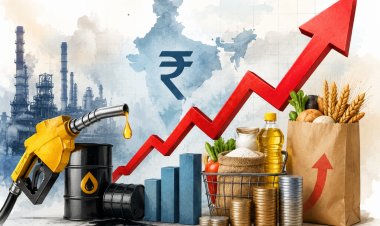
Beyond fertilisers, rising energy prices are compounding the crisis. Global oil and gas benchmarks have increased by more than 50% since the conflict began, driving up costs across agricultural production and transportation. Higher fertiliser prices or shortages are expected to reduce crop yields, particularly for nitrogen-intensive crops such as wheat and corn. This, in turn, is likely to push up feed costs, eventually impacting a wide range of food products including dairy, poultry and processed staples.
The broader macroeconomic implications are also significant. Food and fuel account for less than 25% of consumer inflation in developed economies, but represent between 30% and 50% in many emerging markets. This makes developing economies particularly vulnerable to externally driven price shocks. The conflict risks reversing the fragile recovery seen in many of these countries following the COVID-19 pandemic and the Ukraine war, which had already strained food, fuel and financial systems.
Before the escalation, global food inflation had moderated, reaching its lowest levels since at least 2017 in early 2026. However, renewed supply shocks are now threatening to trigger a fresh wave of food inflation. Past episodes of rising food prices have led to social unrest in several regions, prompting governments to remain on high alert.
Additional pressures may emerge from secondary effects. Higher fuel costs could divert crops towards biofuel production, reducing food availability. At the same time, any economic slowdown in the Gulf region could impact remittance flows to countries such as Pakistan, Lebanon and Jordan, further straining household incomes.
With inflation risks rising, expectations of monetary easing in emerging markets are already being scaled back, potentially affecting economic growth. Global institutions and development banks are preparing contingency measures, including financial support to help countries manage fertiliser costs and stabilise agricultural production.
If the conflict persists beyond the short term, experts warn of significant disruptions to planting cycles, reduced yields and a prolonged period of elevated food prices, posing a serious challenge to global food security and economic stability.