
WMO Warns Earth’s Climate Imbalance Threatens Global Food Security and Agriculture
The World Meteorological Organization (WMO) warns that rising climate imbalance is disrupting crop yields and global food security. Know about the urgent need for climate-resilient farming.

 Join the RuralVoice whatsapp group
The Earth’s climate system is becoming increasingly “out of balance,” with serious implications for global agriculture, food security, and rural livelihoods, according to a new report by the World Meteorological Organization (WMO). The findings underline how human-driven climate change is amplifying natural climate variability, directly affecting farming systems across the world.
State of the Global Climate Report 2025, released on 23rd March 2026, says that at the core of the issue is the growing energy imbalance of the planet - the difference between the solar energy Earth absorbs and the heat it radiates back into space. This imbalance, driven largely by greenhouse gas emissions, is causing excess heat to accumulate within the climate system. Over 90% of this additional heat is being absorbed by the oceans, triggering widespread changes in weather patterns that are critical for agriculture.
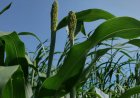
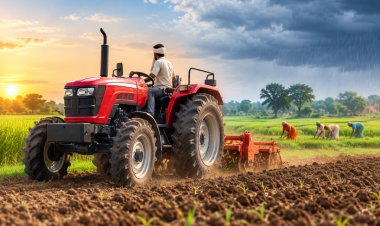
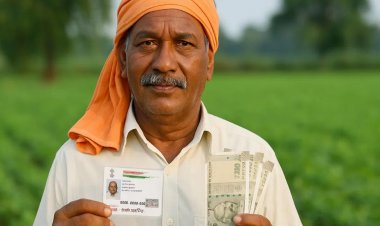
For farmers, the impacts are already visible. Rising temperatures are shortening crop growth cycles, reducing yields of major staples such as wheat, rice, and maize. Heat stress is also affecting livestock productivity, milk yields, and animal health. In tropical and subtropical regions, where agriculture is highly climate-sensitive, these changes are becoming increasingly difficult to manage.
Erratic rainfall is another major concern highlighted in the report. Monsoon systems and seasonal rainfall patterns are becoming less predictable, making it harder for farmers to plan sowing and harvesting. Extended dry spells followed by intense rainfall events are damaging standing crops, eroding soil health, and increasing the risk of floods.
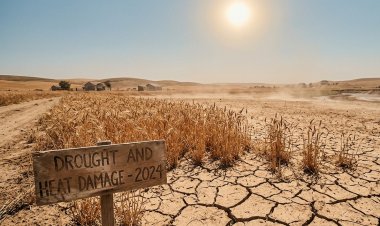
The WMO notes that natural climate cycles such as El Niño and La Niña are now interacting with long-term warming trends, amplifying their effects. This has led to more frequent and severe droughts in some regions, while others face excessive rainfall and flooding - both of which disrupt agricultural production.
Ocean warming is also indirectly affecting agriculture. Warmer seas contribute to stronger cyclones and extreme weather events, which can devastate crops, damage irrigation infrastructure, and disrupt supply chains. Coastal farming systems are particularly vulnerable, as rising sea levels increase soil salinity, reducing crop productivity.
The report further warns that climate change is accelerating the spread of pests and diseases. Warmer temperatures and changing humidity levels are creating favourable conditions for insects, pathogens, and invasive species, leading to higher crop losses and increased dependence on pesticides. This not only raises production costs for farmers but also poses environmental and health risks.
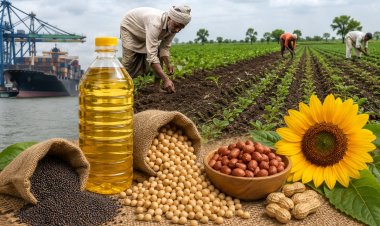
Food security concerns are becoming more pronounced as a result of these changes. Declining yields, coupled with rising production costs and market volatility, are squeezing farm incomes. Smallholder farmers, especially in developing countries like India, are among the most vulnerable, as they have limited access to resources, technology, and climate-resilient inputs.
The WMO emphasizes that agriculture must be at the centre of climate adaptation strategies. Promoting climate-resilient crop varieties, improving water management, strengthening early warning systems, and adopting sustainable farming practices are critical steps to reduce vulnerability. Investment in research and extension services will also play a key role in helping farmers adapt to changing conditions.
At the same time, the report highlights the importance of reducing greenhouse gas emissions from all sectors, including agriculture, to restore balance to the climate system. Sustainable land use practices, efficient fertilizer management, and agroforestry can contribute to both mitigation and adaptation efforts.
The findings send a clear message: climate change is no longer a distant threat for agriculture but an immediate and growing challenge. Without urgent action, the increasing imbalance in the Earth’s climate system could significantly undermine global food production, threatening livelihoods and food security for millions. As extreme weather events become more frequent and intense, the resilience of agricultural systems will be critical in determining how well societies can cope with the evolving climate crisis.