
WMO Signals Likely Return of El Niño by May-July 2026, Warns of Widespread Heat and Shifting Rainfall Patterns
WMO forecasts a likely return of El Niño by May-July 2026, with rising Pacific temperatures and strong model consensus. Above-normal global land temperatures and shifting rainfall patterns are expected. While forecast certainty improves after April, authorities are urged to prepare for climate impacts across agriculture, water, health, and disaster management sectors.

 Join the RuralVoice whatsapp group
The World Meteorological Organization (WMO) has warned of a likely return of El Niño conditions as early as mid-2026, signaling a major shift in global climate patterns. According to its latest monthly Global Seasonal Climate Update, rapidly rising sea-surface temperatures in the equatorial Pacific indicate that El Niño could emerge between May and July and intensify in the months that follow.
After a period of neutral conditions at the beginning of the year, climate models are now strongly aligned in predicting the onset of El Niño. Wilfran Moufouma Okia, Chief of Climate Prediction at WMO, said there is “high confidence” in its development, although some uncertainty remains due to the seasonal forecasting challenge known as the “spring predictability barrier.” Forecast accuracy typically improves after April, he added.
El Niño and its counterpart La Niña are phases of the El Niño–Southern Oscillation (ENSO), one of the most influential climate systems on Earth. These phenomena significantly alter weather patterns worldwide, affecting rainfall, drought conditions, and extreme weather events. As a result, governments, farmers, water managers, and humanitarian agencies rely heavily on accurate ENSO forecasts for planning and risk mitigation.
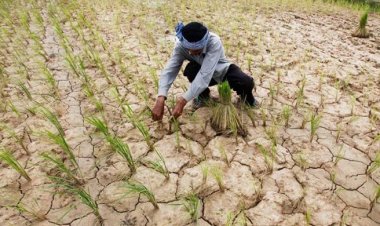
El Niño is marked by warming ocean temperatures in the central and eastern Pacific Ocean and typically occurs every two to seven years, lasting up to a year. While each event varies in intensity and impact, it generally leads to increased rainfall in regions such as southern South America, the southern United States, the Horn of Africa, and central Asia. Conversely, it is often associated with drought conditions in Australia, Indonesia, and parts of southern Asia.
The WMO cautions that while climate change does not necessarily increase the frequency or strength of El Niño events, it can amplify their impacts. Warmer oceans and atmospheres provide more energy and moisture, potentially intensifying extreme weather events such as heatwaves and heavy rainfall. This interplay was evident in 2024, which became the hottest year on record due to the combined effects of a strong El Niño event and human-induced climate change.
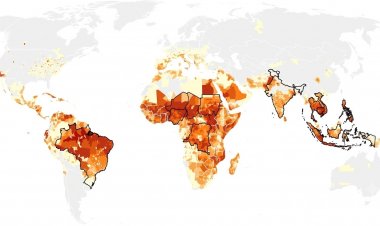
The latest seasonal outlook also points to a “nearly global dominance of above-normal land surface temperatures” during the May-June-July period. The warming trend is expected to be particularly pronounced across southern North America, Central America, the Caribbean, Europe, and northern Africa. Meanwhile, rainfall patterns are likely to vary significantly across regions, highlighting the uneven impacts of the evolving climate system.
Seasonal climate updates from the WMO incorporate multiple climate drivers beyond ENSO, including atmospheric patterns and oceanic influences. These comprehensive assessments are critical for anticipating climate risks and informing preparedness strategies across sectors such as agriculture, water resources, energy, and public health.
To support early action, WMO collaborates with global forecasting centres and research institutions to provide consensus-based outlooks. It also works with United Nations agencies and humanitarian organizations through coordinated mechanisms to deliver tailored climate information and risk assessments.
The next WMO update on El Niño and La Niña is expected in late May, offering more refined projections for the June-August period. In parallel, regional climate outlook forums will release localized forecasts, including an upcoming assessment of the South Asian southwest monsoon later this month.
As of early April 2026, the ENSO system remains in a neutral phase following the end of the 2025-26 La Niña. However, increasing subsurface heat in the equatorial Pacific, a key precursor to El Niño, supports model projections of a transition toward warmer conditions in the coming months.
With the likelihood of a strong El Niño event growing, the WMO has emphasized the importance of preparedness and anticipatory action. Early warnings and informed planning will be crucial in minimizing risks and adapting to the far-reaching impacts of this powerful climate phenomenon.