Supreme Court Restores Level Playing Field in Ethanol Procurement: ISMA
The Supreme Court of India has overturned a Karnataka High Court order granting preferential ethanol allocation to Vinp Distilleries and Sugars Pvt. Ltd. under OMC tenders. The ruling restores a level playing field in ethanol procurement and safeguards sugar mills and farmers, according to the Indian Sugar and Bio-energy Manufacturers Association.

 Join the RuralVoice whatsapp group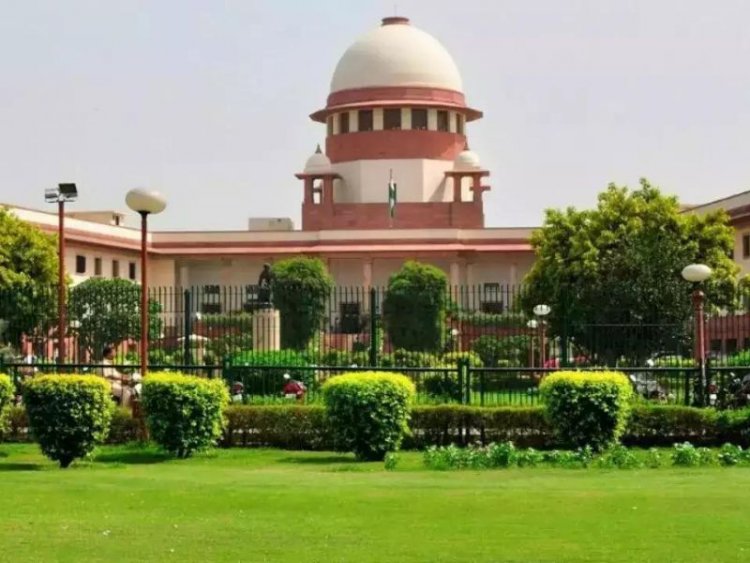
In a significant development for India’s ethanol ecosystem, the Supreme Court has set aside the Karnataka High Court orderे that had granted preferential ethanol allocation to M/s Vinp Distilleries and Sugars Pvt. Ltd., a Dedicated Ethanol Plant (DEP), under the OMC tender for the 2025-26 supply year. Vinp had approached the High Court claiming that under its Long Term Offtake Agreement (LTOA), it was entitled to higher allocation beyond its annual offtake quantity.
The OMC tender, however, does not provide any preferential treatment beyond the agreed annual quantity. Despite this, both the Single Judge and the Division Bench of the Karnataka High Court directed the OMCs to revise Vinp’s allocation in its favour, effectively allowing a private contractual arrangement to override a uniform national tender process.
The Supreme Court has now reversed these orders and has reaffirmed that decisions on how much ethanol to procure, from which feedstock, and on what terms are matters of government policy, areas where courts should exercise restraint.
Why This Matters: The Impact on Sugar Mills
According to the sugar industry body ISMA, this ruling brings much needed clarity and stability to the ethanol procurement framework. Had the High Court’s orders been allowed to stand, every DEP could have demanded similar preferential treatment, severely distorting the level playing field and undermining the transparent tender system that governs ethanol procurement. This would have severely reduced the share available to non DEPs- particularly sugar mills producing ethanol from sugarcane juice, B heavy and C heavy molasses.
Based on current allocation data, लearly 199 crore litres could have shifted away from non DEPs, sugar based ethanol alone would have seen a reduction of around 73 crore litres. This would have meant major revenue losses for sugar mills. Lower offtake of cane based feedstock would have hurt farmers. The delicate balance between sugar production, ethanol diversion and cane price stability would have been disrupted.
By overturning the High Court’s orders, the Supreme Court has prevented these distortions and protected the interests of sugar mills and farmers across the country. For an industry that depends on long term investment and policy certainty, the Supreme Court’s intervention is a welcome step that restores fairness, predictability and confidence.